
BNPB Maps 44 Burnt Areas in South Sumatra Suspected to Be Linked to Land Expansion
The National Disaster Management Agency (BNPB) has identified 44 forest and plantation conversion areas in South Sumatra that have been affected by forest and land fires.
The findings are based on BNPB spatial mapping data aligned with data from the Ministry of Agrarian Affairs and Spatial Planning/National Land Agency (ATR/BPN). The burnt areas include oil palm plantations, industrial timber plantations (HTI), forest management units (KPH) and protected forests.
The mapping also found that most hotspots were located near the boundaries of conversion permits, suggesting possible land clearing or expansion.
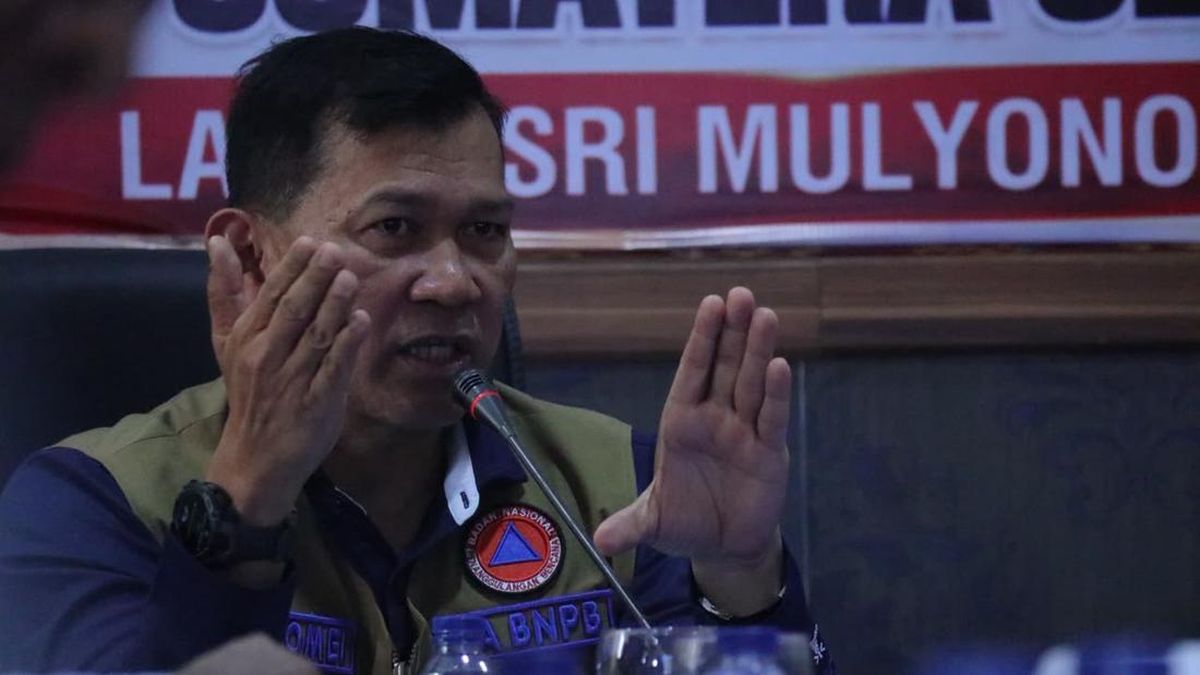
In response, BNPB chief Lieutenant General Kristomei Sianturi urged law enforcement officials to thoroughly investigate those responsible for the fires, whether individuals or companies.
He said firm law enforcement to create a deterrent effect was crucial to ensure that firefighting efforts on the ground were not undone by parties deliberately setting fire to land again.
“Our hard work is pointless if the firefighting effort is not coordinated. One person tries to put the fire out while another starts one; then it flares up again,” Kristomei said while chairing a coordination meeting on emergency wildfire response in South Sumatra, according to a written statement issued on Monday (19 October).
At the meeting, Kristomei stressed the importance of the President’s instructions on cross-sector collaboration. Wildfire management, he said, could not be conducted in isolation and required close cooperation among ministries, agencies and regional governments, as well as coordination between central and local programmes.
“We have to work together; no one can do this alone. We need collaboration among ministries and agencies, with regional governments, and coordination between the centre and the regions,” he said.
Although thousands of personnel and various military assets, including helicopters, had been deployed, BNPB said the effectiveness of field operations needed to be reviewed regularly. The reviews should establish whether troop movements and the use of equipment were matched by reductions in the area burnt and the number of hotspots.
“We need to assess how effective this is. With so many people and military assets being deployed, what progress have we made? Is it working? If not, what needs to be changed?” Kristomei said.
As a tactical measure, he called for collaborative operations posts to be established in clusters based on hotspot locations. Each post should have a clearly designated area lead, a map setting out the division of responsibilities, and confirmed numbers of personnel and assets deployed.
BNPB also called for tests of the efficiency and effectiveness of different firefighting technologies, including conventional methods such as water-bombing operations and weather modification operations (OMC), using either sodium chloride (NaCl) or dry ice. Their use, the agency said, should be scientifically measured to ensure it is properly targeted and cost-effective.
On peatland ecosystems, BNPB called on the Peatland and Mangrove Restoration Agency to focus on developing permanent solutions for peatland management in South Sumatra and Kalimantan. One technical measure discussed was creating or optimising canals to maintain moisture and wet the deeper layers of peat soil.
In addressing the threat of forest and land fires, Kristomei outlined four main pillars of disaster response: collaboration, responsiveness, innovation and “siderisasi”. He said action must be taken within minutes and hours to prevent fires from escalating and minimise the harmful effects of smoke pollution on public health.
Kristomei also stressed the importance of accountability and accurate personnel data at field posts. Reported staffing numbers must reflect the actual number of people on the ground to ensure the welfare, safety and health checks of those working to extinguish the fires.
“BNPB will continue to provide support, but there must also be accountability in the field. If the figure is 100, then support 100 people—and there must actually be 100 people there. Don’t provide support for 100 when only 10 are present. We need accountability, and if the numbers show that more people are needed, then add them,” Kristomei said.
“If necessary, have the 80 field workers’ lungs X-rayed. They deserve that care. But some companies have been good, Director of Operations; they have provided these services free of charge for the work being done there,” he added.