
BNPB Launches Weather Modification Operation in Jambi to Prevent Forest Fires
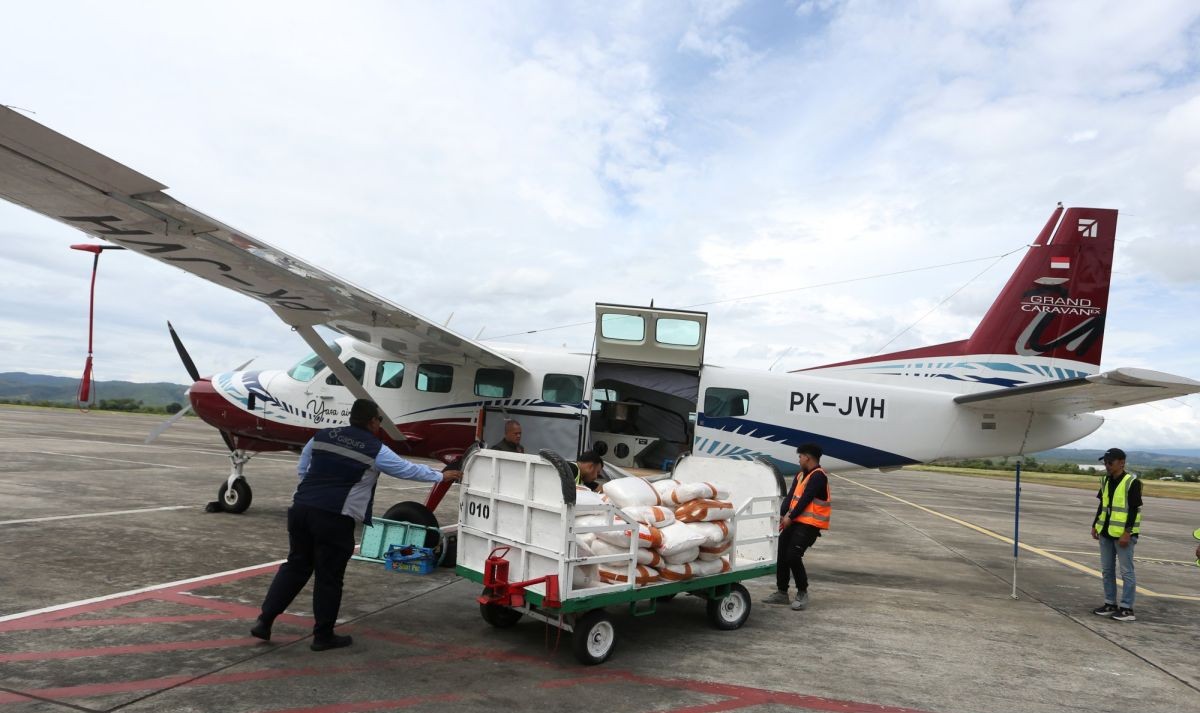
The National Disaster Management Agency (BNPB) has officially launched a Weather Modification Operation (OMC) for one week in Jambi Province. This step is being taken as a strategic preventive measure to prevent forest and land fires (karhutla) ahead of the peak of the 2026 dry season.
The Head of the BNPB Centre for Disaster Data, Information, and Communication, Abdul Muhari, stated that the operation is focused on moistening high-risk areas, particularly peatland ecosystems. This is crucial as rainfall intensity in the region has begun to show a significant decline.
“These forest fire prevention measures are a combination of prevention and suppression. Before fire hotspots expand, weather modification operations must be carried out to moisten the peat,” said Abdul Muhari in Jakarta on Monday (8/6/2026).
The OMC implementation in Jambi is scheduled to take place from 5 to 12 June 2026. This operation follows the declaration of an emergency alert status for forest and land fires by the Jambi Provincial Government, which is in effect from 27 April until the end of November 2026.
Based at Sultan Thaha Airport in Jambi, this aerial operation involves cross-sectoral collaboration between the BNPB, the Meteorology, Climatology, and Geophysics Agency (BMKG), and the Indonesian Air Force. In the initial stage, mitigation teams have conducted salt-based seeding over high-risk areas.
The cloud seeding efforts have reportedly begun to yield results, with localised rain falling in several vulnerable spots. Jambi is one of six provinces identified as a national priority receiving technological aerial intervention support from the central government.
The Head of BMKG, Teuku Faisal Fathum, explained that although the current El Niño Southern Oscillation (ENSO) is still in a neutral phase, there are strong indications of strengthening towards El Niño. Climate conditions in 2026 are expected to be drier than in previous years.
Current data shows that the number of hotspots in Indonesia has reached 1,601, a higher figure compared to the same period last year. The risk of forest fires is predicted to spread from Riau to Jambi and South Sumatra in June, then reach Kalimantan during the July to August period.
As an anticipatory measure, the BNPB emphasised the importance of compliance with Presidential Instruction Number 3 of 2020 regarding Forest and Land Fire Management. Local governments, communities, and business actors in the forestry and agriculture sectors are urged to strengthen cooperation in early prevention to avoid smoke disasters that harm health and the economy.
“We continue to strengthen our preventive approach through OMC with land rewetting methods, particularly in peat-prone areas, so they do not easily ignite when the peak of the dry season arrives,” concluded Teuku Faisal.