
BNPB: 44 Forest-conversion Areas Burned; Calls for Tough Law Enforcement
Jakarta (ANTARA) — The National Disaster Mitigation Agency (BNPB) has identified 44 forest-conversion and plantation areas affected by fires in South Sumatra, based on spatial mapping data reconciled with data from the Ministry of Agrarian Affairs and Spatial Planning/National Land Agency (ATR/BPN).
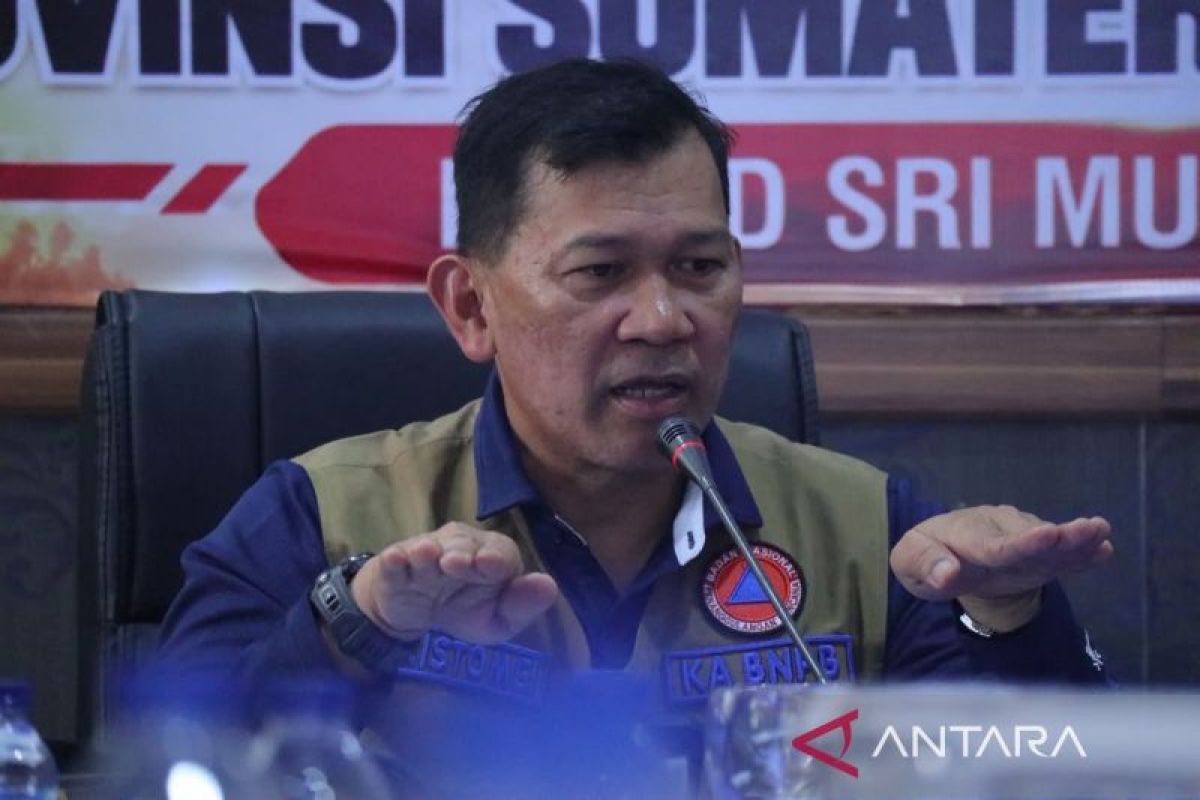
BNPB chief Kristomei Sianturi said in a statement in Jakarta on Monday that the burned areas included oil palm plantations, industrial timber estates (HTI), Forest Management Units (KPH) and protected forests. Most hotspots were found near the boundaries of conversion permits, suggesting possible deliberate land clearing or expansion.
In response, BNPB urged law enforcement authorities to investigate those responsible for the fires, whether individuals or companies. Firm enforcement is considered crucial to deter future offences and ensure that firefighting efforts on the ground are not rendered pointless.
“Our hard work over all this time is pointless if firefighting efforts are not coordinated. One person tries to put out a fire while another lights one — then it flares up again,” Kristomei said.
He said forest and land fires could not be handled in isolation, but required close cooperation among ministries, agencies and local governments, as well as coordination between central and regional programmes.
In addition to law enforcement, BNPB called for the Peatland and Mangrove Restoration Agency (BRGM) to give sustained attention to developing permanent solutions for peatland ecosystems. These could include building or optimising canal systems to maintain moisture and wet the deeper layers of peat soil in the six priority provinces: Riau, Jambi, South Sumatra, West Kalimantan, Central Kalimantan and South Kalimantan.
“We have to work together; no one can do this alone. There must be collaboration among ministries and agencies, as well as local governments, and coordination between the central and regional levels,” he said.
He said thousands of joint personnel and a fleet of helicopters were continuing to work effectively to extinguish the fires. However, regular reviews are also important to ensure that the deployment of personnel and equipment on the ground is matched by a reduction in the number of hotspots.