
BNN Proposes Reclassifying Ketamine as a Narcotic
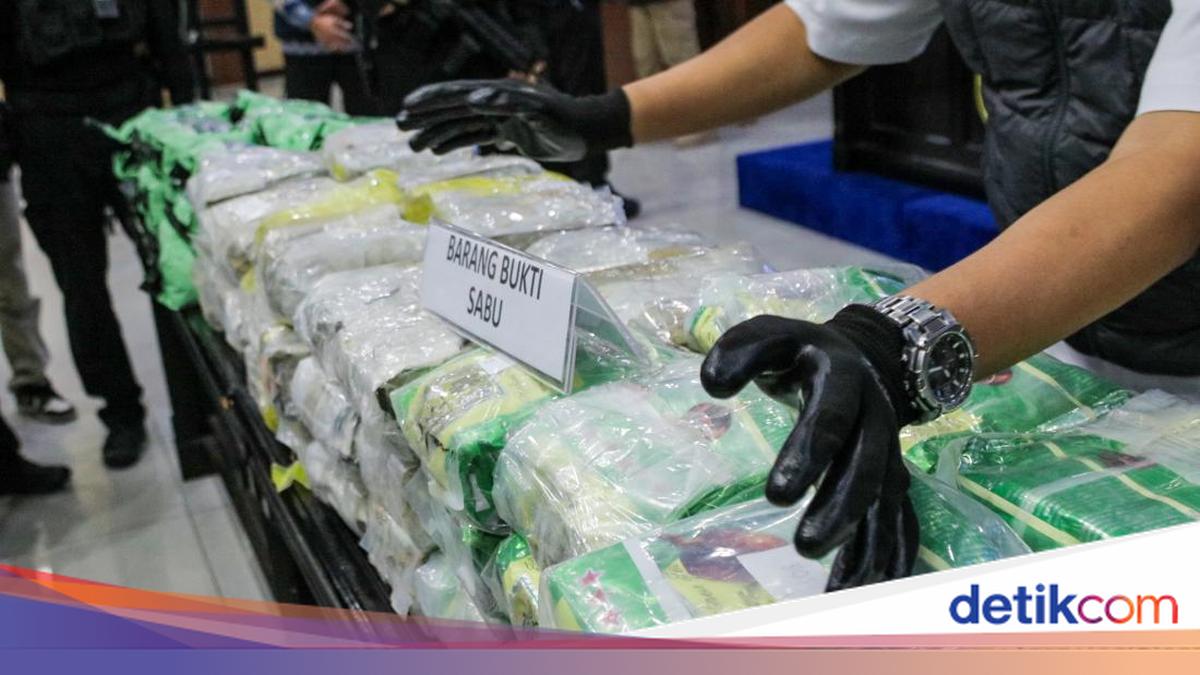
The National Narcotics Board (BNN) is closely monitoring the recent surge in ketamine abuse. The seizure of psychotropic substances in significant tonnages indicates a real threat from the misuse and distribution of ketamine in Indonesia.
Based on these findings, the BNN has proposed changing the classification of ketamine from a psychotropic substance to a narcotic as a measure to strengthen the control of the substance in Indonesia.
“This proposal is based on the results of studies and discussions across ministries and agencies, considering the development of ketamine abuse and the need to strengthen law enforcement aspects,” said the Acting Head of Public Relations for BNN, Kombes Pol Didik Haryanto, in a statement on Thursday (3/9/2026).
Kombes Didik stated that one of the considerations for the proposal is the growing trend of ketamine abuse and distribution in Indonesia. This trend became increasingly evident following the discovery of large-scale ketamine trafficking cases in August 2026.
As is known, the BNN, together with the Directorate General of Customs and Excise and the National Police Criminal Investigation Agency (Bareskrim Polri), intercepted two ships carrying large quantities of ketamine: 1.3 tonnes aboard the MV King Sun and 800 kilograms aboard the MV Fuchangxing I.
“These seizures demonstrate a real threat to the abuse and distribution of ketamine in Indonesia,” he added.
In addition to these seizures, ketamine has also been identified during laboratory examinations, both in its pure form and mixed with other substances.
“These developments indicate the need for strengthened controls to ensure that ketamine does not become easier to abuse and distribute within the community,” he said.
Discussions regarding the classification of ketamine were actually conducted during the Pre-Review of New Psychoactive Substances (NPS) study by the Committee for Narcotics, Psychotropics, and Precursors on 10 December 2025. In that study, differing views remained regarding the classification of ketamine, including proposals to maintain it as a psychotropic substance and to preserve its use as a medicine.
On 11 June 2026, the BNN, along with the Ministry of Health, the Indonesian Food and Drug Authority (BPOM), the Ministry of Agriculture, and various experts and stakeholders, discussed the possibility of changing the classification of ketamine as well as the governance during the transition period.
The BNN believes that the reclassification of ketamine as a narcotic must be accompanied by clear transition regulations. This is crucial given that ketamine still has legitimate uses in medical services, including as an anaesthetic, and is used in veterinary medicine.
“A transition period is necessary to ensure that the adjustment process for licensing, labelling, recording, reporting, distribution, and the governance of ketamine can be carried out in an orderly manner. At the same time, transition regulations must provide legal certainty for those using ketamine for legitimate medical and veterinary purposes,” he explained.
The BNN maintains that the transition period should be established proportionally and should not hinder efforts to strengthen supervision and law enforcement. Transition provisions must also be accompanied by socialisation to the public and stakeholders to ensure a shared understanding of the legal status, permitted uses, and prohibitions against ketamine abuse.
The proposal for this change in classification will subsequently require further consolidation and regulation with relevant ministries and agencies. The BNN emphasised that strengthening the control of ketamine aims to close loopholes for abuse without hindering its legal and responsible use for human and animal health.