
BNI Drives Batik to Become a Driver for MSMEs and the Creative Economy
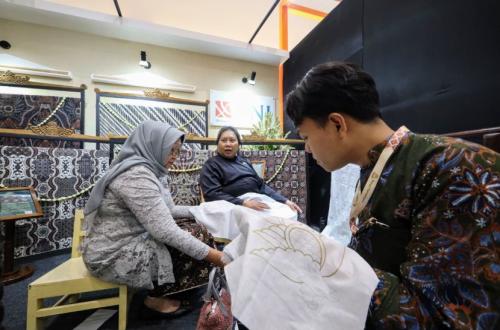
The preservation of batik must go hand in hand with the strengthening of artisans and MSME players to ensure that this culture-based industry continues to thrive. Product development, business capacity enhancement, and market expansion are several key steps to maintaining the sustainability of batik industry players.
PT Bank Negara Indonesia (Persero) Tbk, or BNI, is driving this reinforcement through the empowerment of batik and craft MSMEs from various regions. Support is provided through training, mentoring, product development, and opening access to wider markets.
BNI Corporate Secretary Okki Rushartlo stated that batik possesses not only cultural value but also serves as a livelihood for many artisans and MSME entrepreneurs. Therefore, the sustainability of the batik industry depends on the ability of its players to develop their businesses.
“For BNI, batik is not just a cultural heritage, but also a source of livelihood for many artisans and MSME players. Consequently, the preservation of batik must run parallel with the strengthening of business capacity, market expansion, and the sustainability of its participants,” Okki said in a written statement on Friday (2/10/2026).
According to Okki, preserving batik is not enough by merely maintaining existing cultural heritage. Strengthening business capacity is necessary so that artisans and MSMEs have the space to continue growing.
One form of support was implemented through the Puspa Nuswantara 2026 event held in Jakarta last July. During this event, BNI featured its mentored MSMEs to introduce batik and craft products from various regions to a broader market.
In addition to opening market access, BNI provides training and mentoring to artisans. The programme includes product development and the implementation of more sustainable business practices.
“Cultural preservation does not stop at maintaining existing heritage, but also involves ensuring that the players within it can continue to develop. Therefore, we strive to connect cultural preservation with MSME empowerment, product development, and market expansion,” said Okki.
Internally, batik is also used as employee work attire twice a week. This usage is one of the efforts to expand the use of batik in daily professional activities.
As a company within the Danantara Indonesia SOE ecosystem, BNI stated that it will continue its support for productive sectors, including culture-based creative industries. Strengthening MSME capacity and market access remains the focus to increase the competitiveness of Indonesian cultural products.
The momentum of National Batik Day, celebrated every 2nd October, also serves as an opportunity to strengthen the sustainability of the batik industry. Business players are expected to increase their capacity while expanding their product reach in both domestic and global markets.