
BMKG: Weather Modification Operations Can Increase Rainfall by 40 Percent to Prevent Forest Fires
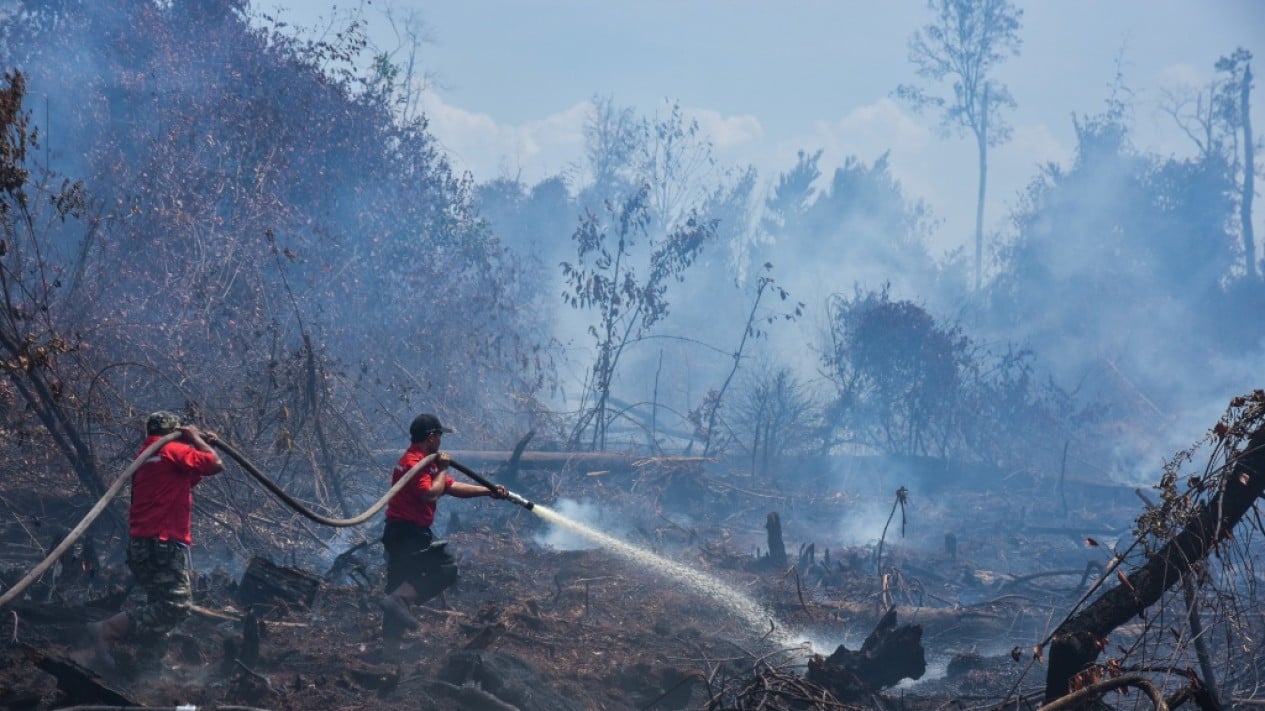
The Meteorology, Climatology and Geophysics Agency (BMKG) has revealed that the effectiveness of Weather Modification Operations (OMC) carried out throughout 2026 has increased rainfall by 30 to 40 percent in certain areas. BMKG Head Teuku Faisal Fathani stated that OMC is one of the instruments used by the government to face the threat of forest and land fires, especially during the dry season influenced by the El Niño phenomenon. According to Faisal, the additional rainfall can help maintain soil moisture so that the potential for hotspots can be suppressed. “It has been carried out during 2026 and its effectiveness is around 30 to 40 percent in increasing rainfall in certain areas,” Faisal said at the Presidential Palace Complex in Central Jakarta. Faisal explained that weather modification operations are not carried out routinely based on a fixed schedule. BMKG determines the implementation based on field conditions and available data. One of the key indicators is the groundwater level, particularly in peatland areas. BMKG monitors these conditions before deciding which regions require intervention through OMC. In its implementation, BMKG uses groundwater level data owned by the Ministry of Environment. Coordination is also carried out with the Ministry of Forestry through the Sipongi application. This data serves as the basis for determining when and in which areas weather modification operations need to be conducted. “If the groundwater level in peatlands has dropped to a certain depth, then it is determined that Weather Modification Operations need to be carried out to saturate it,” Faisal said. Thus, the implementation of OMC is not solely aimed at producing rain, but also as a measure to ensure peatlands maintain sufficient water reserves. Faisal explained that peatlands have underground water storage. Therefore, the government is striving to keep the groundwater level in normal conditions so that the land remains saturated. This condition is considered crucial to prevent peatlands from easily catching fire during the dry season.