
BMKG Warns of Strong El Niño Potential; DIY Predicted to Experience Drier Dry Season Until November 2026
The Climatology Station of D.I. Yogyakarta, under the Meteorology, Climatology, and Geophysics Agency (BMKG), has released climate development information for 2026. Based on monitoring of current atmospheric and marine dynamics as of 31 July 2026, an El Niño phenomenon is likely to occur in a strong category, potentially triggering drier-than-usual conditions in the D.I. Yogyakarta region.
The Head of the D.I. Yogyakarta Climatology Station, Dr Mamenun, stated that BMKG predicts low rainfall intensity in the DIY region for the next three months (August to October 2026), ranging between 0 to 20 mm per month. Rainfall is generally expected to be ‘Below Normal’ (BN).
The peak of the dry season across the DIY region is projected to occur in August 2026, with a duration of approximately 16 to 21 ten-day periods (dasarian) and total dry season rainfall between 250 to 400 mm. The dry season is predicted to end during the first and second ten-day periods of November 2026.
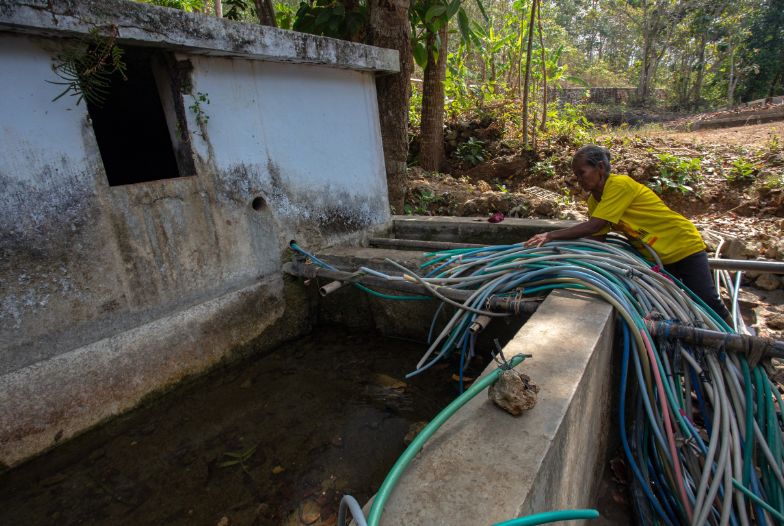
In response to the potential impacts of this climate phenomenon, BMKG is urging local governments, relevant agencies, and the public to increase preparedness against the risks of meteorological drought and its derivatives. “BMKG urges local governments, relevant institutions, and the entire community to be more prepared and anticipatory regarding the impacts of the dry season, especially in areas vulnerable to meteorological drought disasters, such as forest and land fires and reduced availability of clean water,” Mamenun said in an official statement on Friday.
In addition to threats to clean water availability and forest fires, BMKG also highlighted the agricultural sector, which is vulnerable to the impact of decreased rainfall and the extended duration of the dry season. Mamenun emphasised the need for concrete steps in the agricultural sector to prevent greater losses.
“Be wary of the predicted ‘Below Normal’ rainfall for the 2026 dry season, which means the dry season conditions are predicted to be drier than the climatological average. El Niño could result in droughts potentially occurring from July to December 2026. Anticipatory actions are required, including preparing suitable planting patterns to avoid crop failure, particularly in areas vulnerable to meteorological drought, through more efficient water resource management,” he explained.
He added that current atmospheric conditions show the activity of the Australian Monsoon, characterised by winds blowing from the east in the southern equatorial region of Indonesia. Furthermore, the El Niño Southern Oscillation (ENSO) index is currently in a moderate condition with the potential to increase. “The ENSO index is in a moderate condition; a strong category El Niño is likely to occur between August and December 2026,” said Mamenun.
He further noted that another climate indicator, the Dipole Mode Index (DMI), is currently in the neutral category but has the potential to shift to a Positive DMI during the September to December 2026 period. Meanwhile, the Madden Julian Oscillation (MJO) phenomenon is predicted to be inactive in the Indonesian region, and sea surface temperature anomalies in the waters south of DIY range from -0.5°C to 1.0°C (neutral-warm) with temperatures between 26°C and 28°C.