
BMKG Warns of Strong El Niño Impact in Central Java, Hydrological Drought Looms
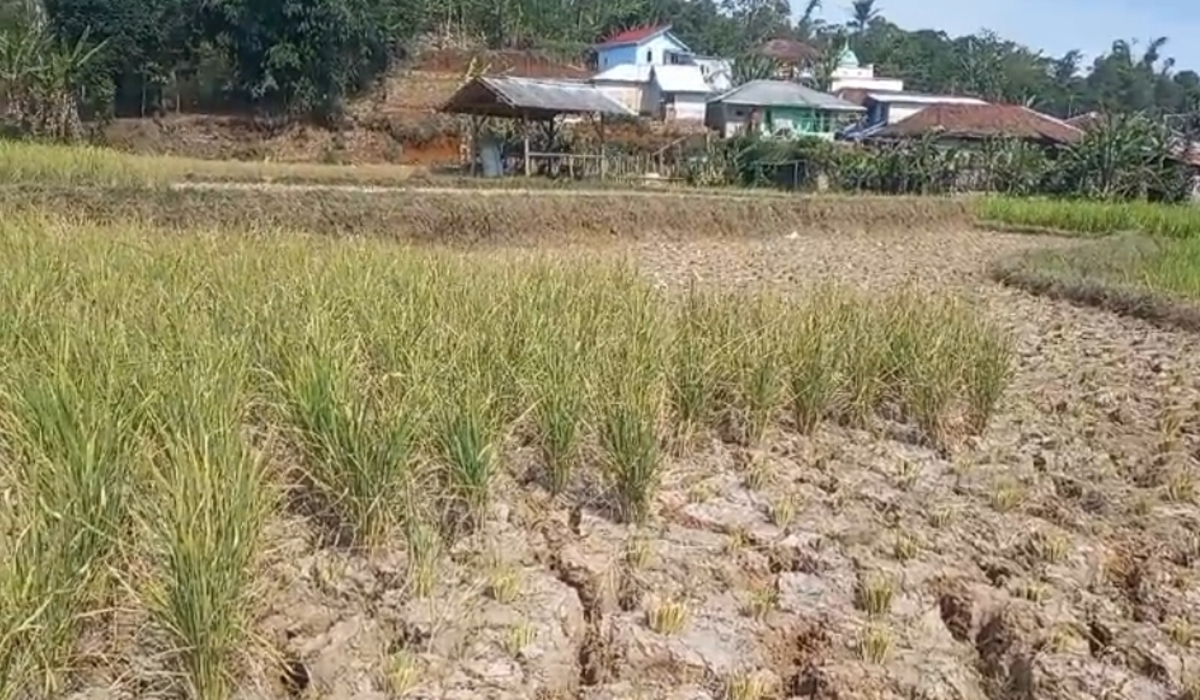
The Meteorology, Climatology and Geophysics Agency (BMKG) has issued an early warning for the public to be vigilant about the increasing impact of drought in the Central Java region. This is triggered by the strengthening El Niño phenomenon, which is exacerbating the 2026 dry season, thereby threatening the agricultural sector, water resource availability, and socio-economic stability.
BMKG Principal Secretary Guswanto explained that the annual dry season, which typically lasts from April to October, is now experiencing anomalies due to El Niño, which has reached a strong category. The statement was made at the opening of the 2026 Fishermen’s Weather Field School (SLCN) in Cilacap on Wednesday (29/7).
‘Initially, we predicted El Niño would be in the moderate category, but now the index is around two, placing it in the strong category. The impact is an increased potential for drought,’ said Guswanto.
Guswanto outlined that drought develops gradually through three main phases. ‘If the water supply in reservoirs, lakes, and irrigation systems is no longer available, that has entered a hydrological drought. Currently, the trend is starting to move in that direction,’ he stressed. The most critical impact to anticipate is the risk of crop failure and reduced availability of clean water for the community.
Currently, several areas on the island of Java have reportedly experienced dozens of consecutive days without rain. This condition is caused by the dominance of the east monsoon wind blowing from Australia towards Asia, passing over Indonesia. This dry wind inhibits the formation of rain clouds and triggers lower air temperatures from night until morning. The phenomenon also affects the appearance of frost, known locally as ‘embun upas’, in highland areas such as Dieng, which typically occurs from June to August.
Regarding mitigation efforts, BMKG mentioned Weather Modification Operations (OMC) as one solution. However, Guswanto emphasised that this technology is highly dependent on the presence of potential rain clouds. Based on BMKG weather radar monitoring in Jeruklegi, Cilacap, the current cloud potential is dominated by high-level clouds that do not yet support weather modification. ‘If there are no rain clouds, weather modification is also difficult to carry out because the principle is only to accelerate the condensation process in clouds that actually have the potential to produce rain,’ he explained.
BMKG continues to synergise with Commission V of the Indonesian House of Representatives, the Ministry of Public Works, the Ministry of Transportation, and local governments to strengthen weather information services and public literacy through Climate Field Schools. This cross-sectoral synergy is expected to minimise the impact of drought on the operations of hydroelectric power plants (PLTA) and national irrigation needs.