
BMKG Warns of Impending Disaster as Peak Dry Season Approaches in 2026
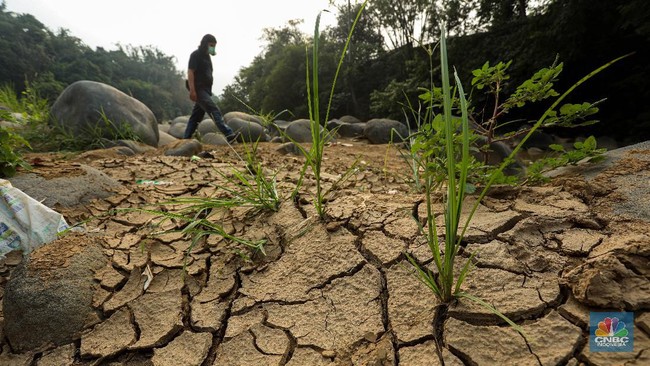
The Meteorology, Climatology and Geophysics Agency (BMKG) has urged the public to prepare for the peak of the dry season, which is expected to hit Indonesia between July and September 2026. BMKG Head Teuku Faisal Fathani stated that the peak will affect 83 seasonal zones (ZOM) or 12.26% of the country’s land area in July, expanding to 369 ZOM (48.84%) in August, and 169 ZOM (25.41%) in September. The affected regions will span across Sumatra, Java, Kalimantan, Sulawesi, Nusa Tenggara, Maluku, and Papua at different stages of the period.
Deputy of Climatology Ardhasena Sopaheluwakan noted that 200 ZOM (11.83%) have already entered the dry season since May 2026, with another 198 ZOM (31.6%) predicted to follow in June. The remaining 66 ZOM (7.28%) are expected to begin the dry season in July. Ardhasena warned that this year’s dry season is predicted to be drier and longer than normal, with the El Niño phenomenon expected to persist until early 2027, carrying a 98% chance of moderate intensity and a 62% chance of strong intensity.
To mitigate the impacts, BMKG recommends that the agricultural sector adjust planting schedules and select crop varieties that require less water, are drought-resistant, and have shorter growth cycles. The water resources sector is advised to revitalise reservoirs, improve water distribution networks, and ensure public water availability. Energy sector stakeholders must secure dam water capacity for hydroelectric power plants, while local governments are urged to prepare rapid response mechanisms for potential air quality deterioration that could trigger respiratory infections.
With the heightened risk of drought and forest and land fires (karhutla) due to dry climatic conditions, BMKG is coordinating with regional governments and stakeholders to strengthen prevention efforts, including situational weather modification operations. Acting Deputy of Meteorology Andri Ramdhani confirmed that such operations are conducted based on active atmospheric dynamics on hourly to 10-day scales. BMKG Head Faisal emphasised that the updated climate predictions should serve as a current reference for stakeholders to formulate further anticipatory steps and strengthen adaptation strategies, particularly in climate-sensitive sectors.