
BMKG Warns of Heatstroke Threat, Identifies Symptoms and Treatment Methods
The Indonesian Agency for Meteorology, Climatology, and Geophysics (BMKG) has noted that current climate dynamics and the dry season are having a significant impact on various sectors of life. For several months, BMKG has been actively coordinating across sectors to encourage massive drought anticipation and mitigation measures.
To minimise the adverse effects of the climate, BMKG has provided specific recommendations for the agricultural, water resources, and energy sectors. Farmers are advised to adjust early planting schedules and select drought-resistant crop varieties, while water resource and energy managers must calculate raw water availability and anticipate fluctuations in hydroelectric power production.
“The lack of rainfall during the dry season also directly impacts the decline in air quality, which has the potential to increase respiratory infections (ISPA). All parties are requested to be vigilant against this threat, while simultaneously preparing rapid response mechanisms for the dynamics of disease distribution, including dengue fever, malaria, and the danger of heatstroke due to extreme heat,” BMable BMKG stated in an official statement.
In the forestry and disaster sectors, preparedness for drought threats and the potential for forest and land fires must be increased. Conversely, those in the fisheries and salt farming sectors can utilise the upwelling phenomenon and the momentum of the dry season to maximise production yields.
What is heatstroke?
Quoting the official website of the Aceh Provincial Health Office, heatstroke is a medical emergency characterised by an increase in body temperature to over 40 degrees Celsius and disturbances to the nervous system.
Symptoms of Heatstroke
Symptoms can vary depending on an individual’s health condition. Common signs and symptoms include:
High fever (40°C or higher)
Heavy sweating
Headache, lightheadedness, or dizziness
Reddened skin and dry lips
Slowed response/level of consciousness
Sudden spike in pulse rate
Changes in mental state or behaviour (such as confusion, agitation, or slurred speech)
Nausea or vomiting
Rapid breathing
Fainting (which can be the first sign in elderly adults)
First Aid for Heatstroke
First aid is crucial to prevent serious complications such as coma, kidney failure, nerve damage, and brain swelling.
Move to a Shadier Place: Immediately move the sufferer to a shaded area (such as under a tree) to reduce direct sun exposure.
Apply Compresses: Use an ice bath (if possible) or apply cold compresses. Use wet towels with cold water, particularly on the neck, armpits, and groin (areas with large blood vessels). Note: Avoid ice compresses for the elderly, children, people with chronic illnesses, or those who have just finished heavy exercise.
Provide Plenty of Water: If the sufferer is conscious, provide water gradually to prevent acute dehydration. Avoid drinks that are too cold, contain caffeine, or contain alcohol.
What NOT to do: Do not provide fever-reducing medication (such as acetaminophen/paracetamol) as it does not help treat heatstroke and risks worsening organ damage. Do not force fluids if the sufferer is not fully conscious to avoid the risk of choking (aspiration).
Tips for Prevention
Stay Hydrated: It is recommended to drink approximately 250 ml of water every hour slowly. Isotonic sports drinks are also an option to replace salts and minerals lost through sweat. Avoid caffeinated/alcoholic drinks and overly cold drinks.
Use Heat Protection: Wear a wide-brimmed hat or use an umbrella. Wear sunglasses and choose loose, lightweight, light-coloured clothing (such as cotton).
Get Sufficient Rest: Do not overexert yourself under the scorching sun. Rest periodically in shaded areas or air-conditioned rooms.
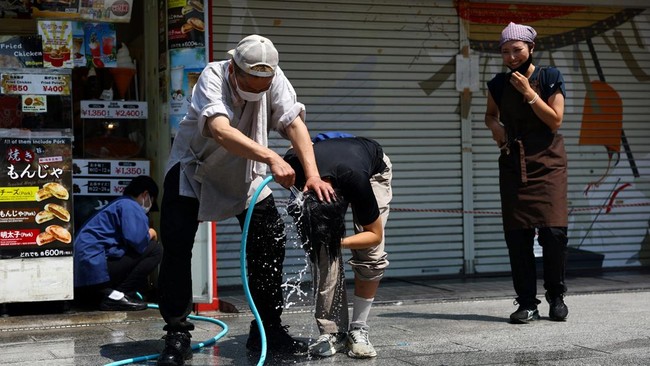
Use Water Sprays or Wet Towels: Cool the body periodically by spraying water, dipping wrists/ankles in cold water, or wiping the head with a wet towel.
Use Sunscreen: Use sunscreen with at least SPF 30 to protect the skin from sunburn, which can interfere with the body’s ability to regulate temperature. Reapply every two hours.
Recognise Early Symptoms: If you begin to feel dizzy, weak, or disoriented, seek medical assistance immediately and do not delay treatment.