
BMKG Warns of Forest and Land Fires in South Papua Due to Prolonged El Niño Dry Season
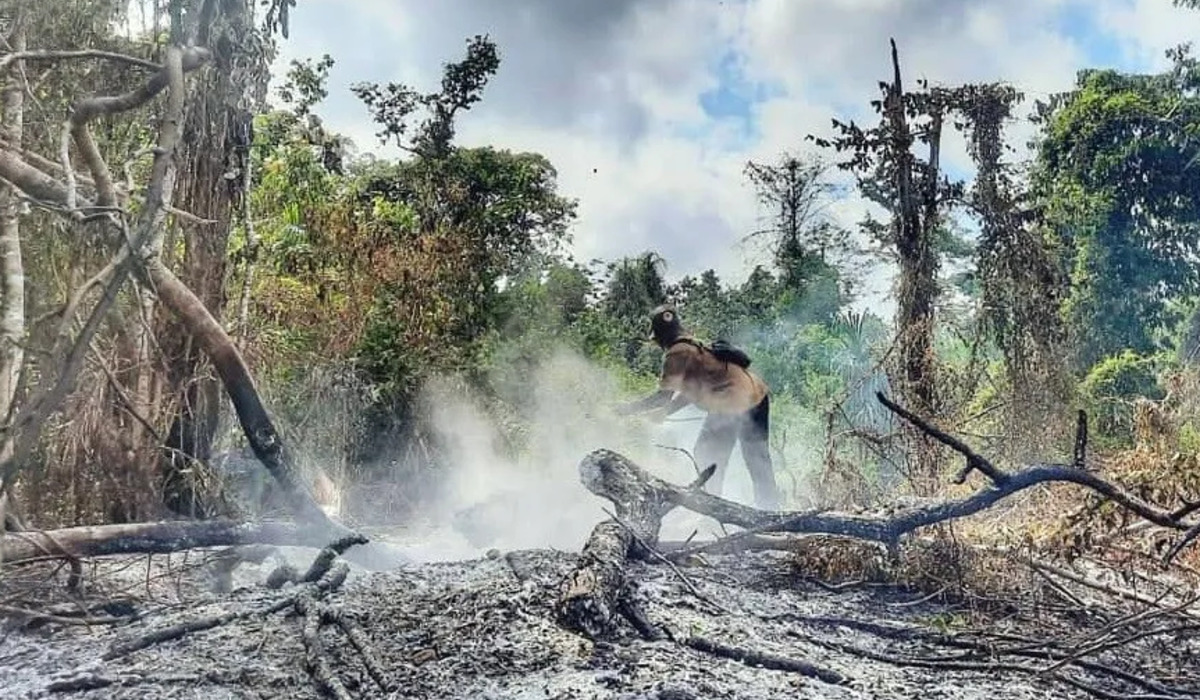
The Meteorology, Climatology and Geophysics Agency (BMKG) Region V Jayapura has issued an early warning regarding the potential for forest and land fires (karhutla) in South Papua Province. The phenomenon is triggered by a dry season worsened by the El Niño effect, causing a drastic drop in rainfall intensity. Head of the BMKG Jayapura Climatology Station, Sulaiman, stated that South Papua Province has actually been in a dry season since May, but the drought conditions are predicted to last longer and significantly impact the forest ecosystem. “It is predicted there will be spots where forest or land fires occur in South Papua Province,” Sulaiman said in Jayapura on Thursday (18/6/2026). Based on BMKG weather forecast mapping, several areas have been identified as having a high risk of hotspots, covering two main districts. These conditions demand extra vigilance from the local community. BMKG urges residents not to burn rubbish carelessly in open areas to prevent flames from spreading to surrounding dry land and triggering large-scale fires. The 2026 dry season in South Papua is predicted to last until December 2026. Residents are asked to conserve clean water as water discharge is expected to decrease due to minimal rainfall. Beyond the threat of forest and land fires, the agricultural sector is also a serious concern. The reduced water availability due to the prolonged drought requires farmers to adapt quickly. Sulaiman suggested that farmers begin adjusting the types of crops they plant during this dry period. Choosing drought-resistant varieties is highly recommended to maintain maximum harvest yields despite limited water supply. “During the dry season, water discharge is predicted to decrease due to reduced rainfall. Adjusting planting patterns is very important to do early on,” he concluded. Local government and relevant agencies are expected to immediately take mitigation measures, including providing fire extinguishing facilities at vulnerable points and managing clean water distribution for affected residents.