
BMKG Warns of Cold Air During Peak Dry Season in Central Java
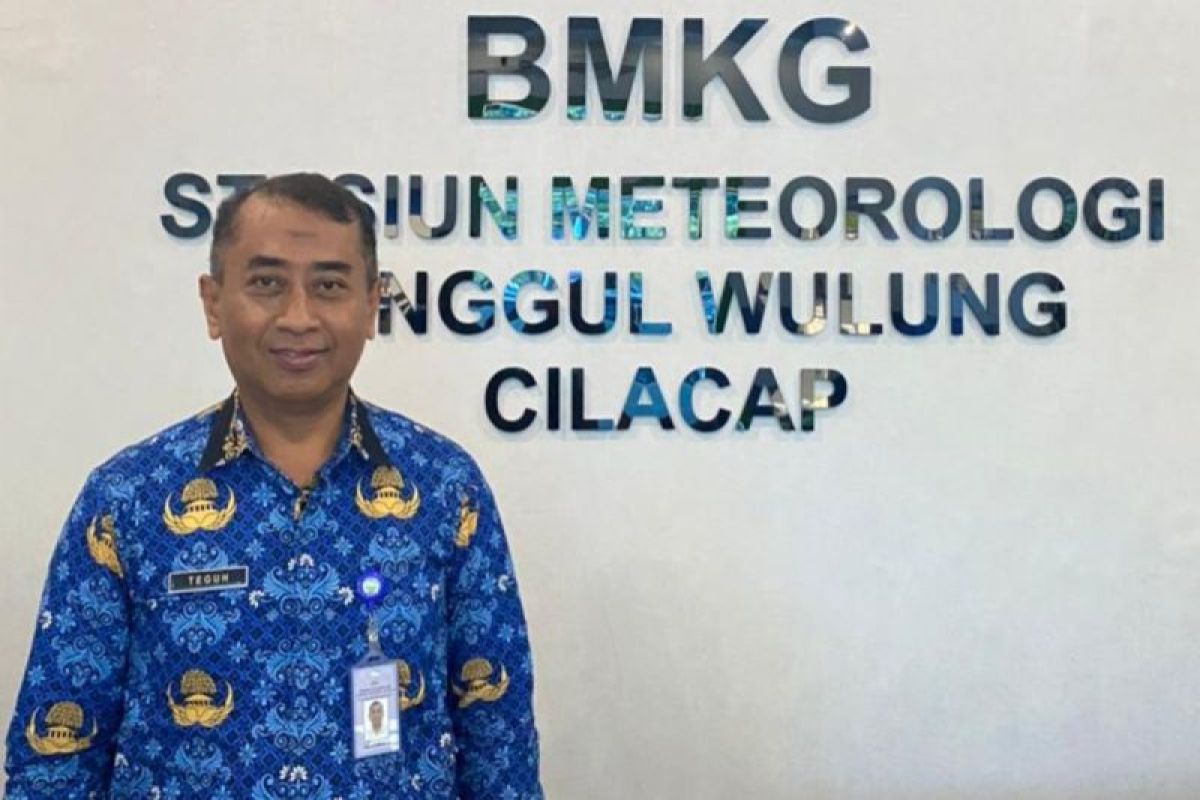
The Meteorology, Climatology and Geophysics Agency (BMKG) is urging the public to be aware of cold air temperatures occurring from night until morning in various regions, especially ahead of the peak of the dry season forecast for August 2026. Teguh Wardoyo, Head of the Data Service and Information Dissemination Working Team at the BMKG Tunggul Wulung Meteorological Station in Cilacap, said on Friday that a number of areas in Central Java have entered the dry season, characterised by temperatures that tend to be colder at night and in the morning, and scorching hot during the day. “In general, several areas in Central Java, particularly Cilacap and its surroundings, have entered the dry season. Some signs are already visible, with air temperatures at night and in the morning being colder than usual, while during the day the sun feels more intense because there is less cloud cover,” he said. He cited the minimum air temperature recorded at the Tunggul Wulung Cilacap Meteorological Station on 19 June 2026, which was around 24 degrees Celsius and still within normal climatological conditions. According to him, this occurs due to a decrease in temperature as altitude increases. “This condition is a natural phenomenon that commonly occurs during the dry season,” he said. Based on climatological data from the 1991-2020 period, he noted that the absolute minimum temperature in June in Cilacap once reached 18.8 degrees Celsius, which occurred in 1994. Climatologically, the lowest temperature ever recorded was in August 1994, reaching 17.4 degrees Celsius. “This phenomenon generally occurs from night until morning and will disappear after the sun rises and begins to warm the air temperature,” he said. He stated that the colder air conditions may feel more comfortable for some people, but can also cause discomfort for residents who are sensitive to low temperatures or have cold allergies. “Early anticipation of the impacts of the dry season, such as clean water shortages and land fires, is necessary so that handling can be carried out more quickly,” said Teguh.