
BMKG Warns of 4-Metre High Waves in East Java Waters
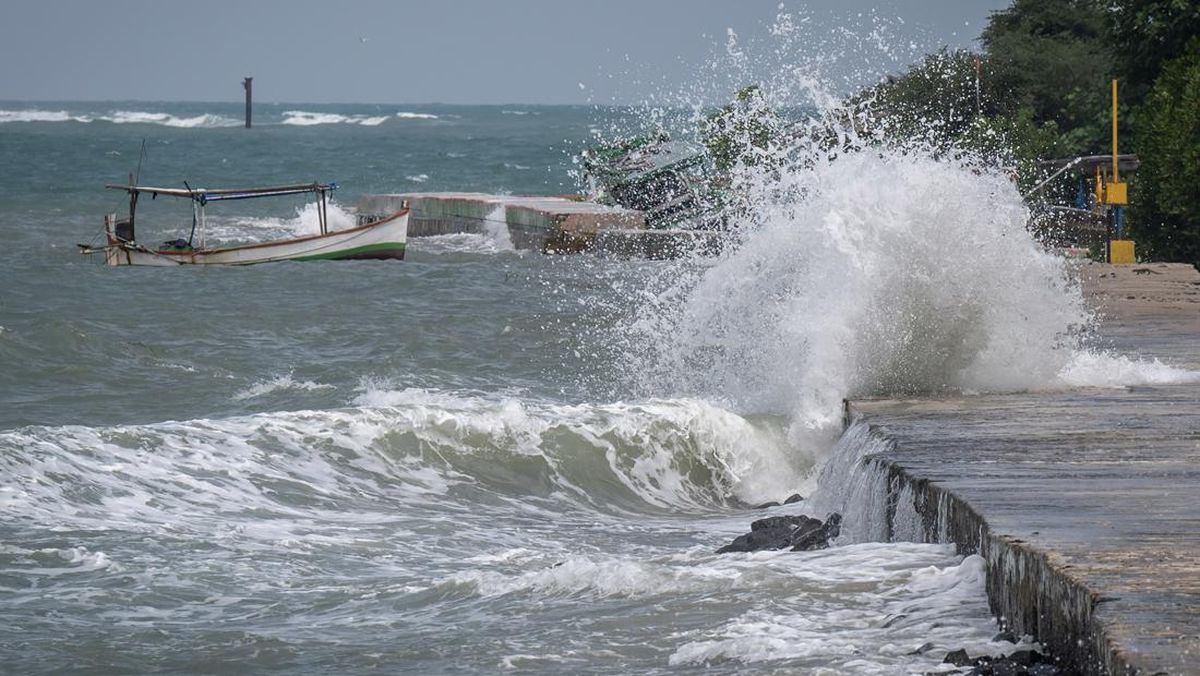
The Maritime Meteorology, Climatology and Geophysics Agency (BMKG) at Tanjung Perak has issued an early warning of high waves potentially striking several areas in East Java waters. This natural phenomenon, triggered by weather factors, is forecast to last for several days until 11 June 2026. Wave heights in some parts of East Java waters are predicted to peak at 4 metres.
Coordinator of Observation and Information at BMKG Maritime Tanjung Perak Surabaya, Sutarno, stated that the surge in wave height is triggered by strong monsoon wind activity blowing for a considerable duration over the waters. ‘The high waves are caused by strong and prolonged easterly winds. The dominant wind blows from the East to Southeast at speeds of 5-25 knots,’ Sutarno said when confirmed on Tuesday (9/6).
Based on BMKG mapping, East Java waters are now divided into two danger zones. Areas potentially hit by moderate waves with heights of 1.25 to 2.5 metres include Masalembo Waters, northern and southern Bawean Waters, Tuban Waters, Lamongan Waters, northern Gresik Waters, as well as Madura areas such as Northern Bangkalan Waters, Northern Sampang Waters, Northern Pamekasan Waters, northern Sumenep Waters, northern Sapudi Islands Waters, and the northern, eastern, and southern Kangean Islands Waters.
Meanwhile, a far more extreme threat looms over the southern coastal areas of East Java. High waves ranging from 2.5 to 4 metres are highly likely to occur along Pacitan Waters, Trenggalek Waters, Tulungagung Waters, Blitar Waters, Malang Waters, Lumajang Waters, Jember Waters, and Banyuwangi Waters.
Furthermore, although weather conditions over East Java waters are generally sunny and cloudy, BMKG urges fishermen and sea transport operators not to be complacent about navigational safety risks. To avoid maritime accidents, Sutarno detailed the safe limits and alert thresholds that must be observed by each type of vessel. Fishing boats are advised to be on alert immediately when wind speeds at sea reach 15 knots with wave heights of 1.25 metres. A similar warning also applies to other large sea transport types crossing these vulnerable zones. ‘Barges should be on alert if wind speeds reach 16 knots and wave heights reach 1.5 metres,’ he added. Meanwhile, for ferries carrying passengers and inter-island logistics, full vigilance must be heightened when wind speeds in the waters exceed 21 knots with wave heights reaching 2.5 metres.