
BMKG Urges Planting Schedule Adjustments to Prevent Crop Failure Amid El Nino
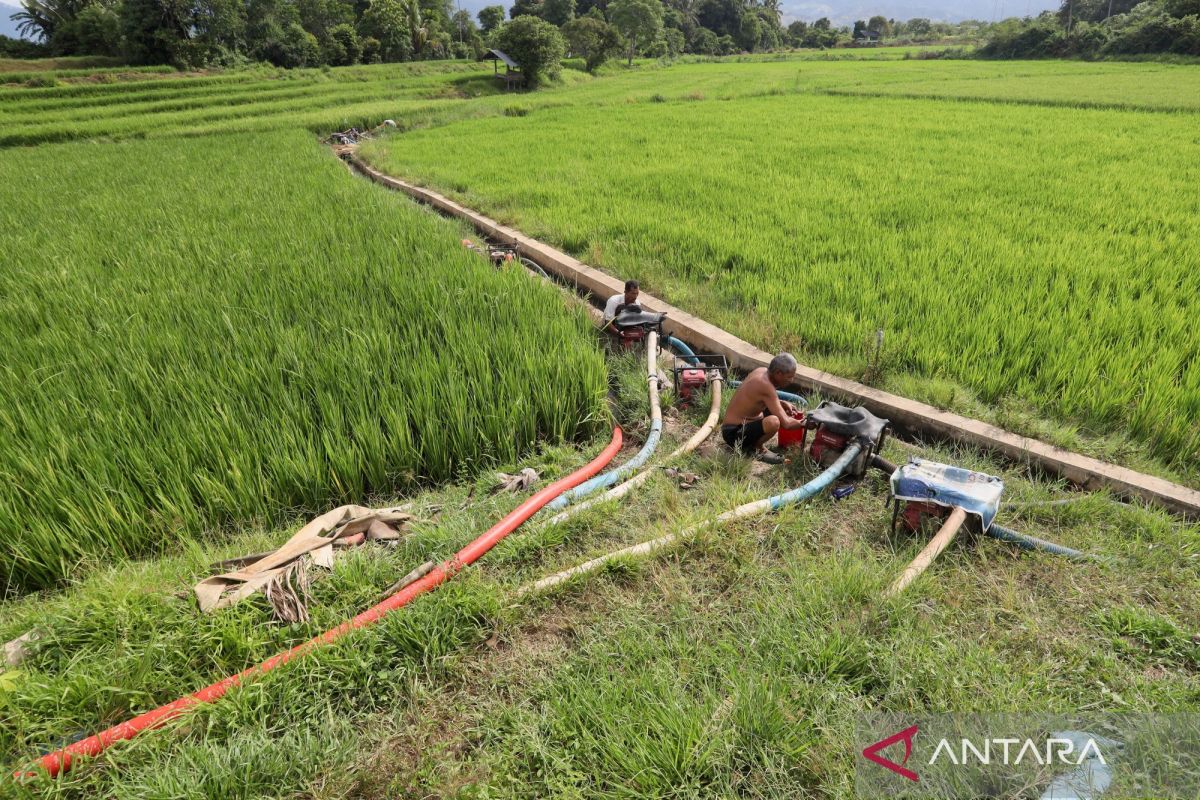
The Meteorology, Climatology, and Geophysics Agency (BMKG) has stressed the importance of adjusting planting schedules in areas affected by El Nino to prevent the risk of crop failure due to reduced rainfall during the dry season. BMKG Head Teuku Faisal Fathani said regions requiring particular attention are those south of the equator, which have a more significant risk of El Nino’s impact, such as East Nusa Tenggara (NTT), West Nusa Tenggara (NTB), Bali, Java, southern Sumatra, and southern Papua. “In those areas, we really must adjust the start of the planting period. Whether it should be brought forward so that when the harvest approaches, the dry season does not affect the yield,” Teuku said after attending a National Dialogue on the Impact of El Nino in Jakarta on Tuesday. According to him, adjusting the planting time is necessary because drier and longer dry season conditions could disrupt agricultural productivity. “What we fear is when crop failure occurs or when people are reluctant to plant because of El Nino,” he said. In addition to managing planting times, BMKG is also encouraging the use of crop varieties suited to drier conditions during the El Nino period. Teuku said BMKG continues to provide assistance to agricultural agencies and farmers through Climate Field Schools to improve understanding of agricultural strategies that adapt to weather and climate conditions. He noted that BMKG also involves field agricultural extension workers in these activities as part of efforts to strengthen the food sector’s preparedness for changing climatic conditions. Furthermore, Teuku said the impact of El Nino will not be uniform across all of Indonesia. He noted that although the current El Nino has entered a strong phase and could potentially become very strong, its influence still depends on atmospheric dynamics and sea surface temperature conditions in Indonesian waters. Deputy for Weather Modification at BMKG, Tri Handoko Seto, said reduced rainfall due to El Nino could also affect the water supply entering reservoirs used for agriculture, raw water, and hydroelectric power plants. To anticipate this, Tri said BMKG is working with relevant stakeholders to conduct weather modification operations to increase water inflow into several reservoirs. He added that weather modification operations are also being carried out as a mitigation measure for forest and land fires by maintaining moisture in peatland areas to prevent them from burning easily. BMKG stated that El Nino, which became active in June 2026, has entered a strong phase and still has the potential to intensify to a very strong level. However, this condition does not mean Indonesia will experience a dry season throughout the entire El Nino period. Rainfall from August to September 2026 is forecast to be in the low to very low category, increasing the risk of drought in several regions. Meanwhile, the rainy season is expected to begin in mid-October 2026, so El Nino’s influence on rainfall patterns in Indonesia is expected to gradually diminish.