
BMKG: Strong El Niño Threatens Food, Energy, and Health
The Meteorology, Climatology, and Geophysics Agency (BMKG) has confirmed that the 2026 El Niño has entered a strong category, with a 98% probability of occurrence. The Head of BMKG, Teuku Faisal Fathani, has urged all sectors to increase preparedness against the risks of drought, food disruptions, forest and land fires, and looming regional inflationary pressures.
Faisal shared these warnings during a Socialisation of Preparedness for El Niño Impacts at the Regional Inflation Control Coordination Meeting, led by the Minister of Home Affairs, Tito Karnavian, in Jakarta on Monday (29/6).
Faisal clarified common public misconceptions regarding El Niño and the dry season. “El Niño and the dry season are two different things. The dry season is an annual cycle, whereas El Niño occurs periodically and can intensify dry conditions when it coincides with the dry season,” said Faisal.
He emphasised that the primary concern is not the duration of El Niño, but rather the moment when this phenomenon coincides with the peak of the dry season. The regions potentially most significantly affected between July and October 2026 include Java, Bali, Nusa Tenggara, parts of southern Sumatra, southern Kalimantan, Sulawesi, and southern Papua. Rainfall in these areas is expected to be below normal compared to climatological averages.
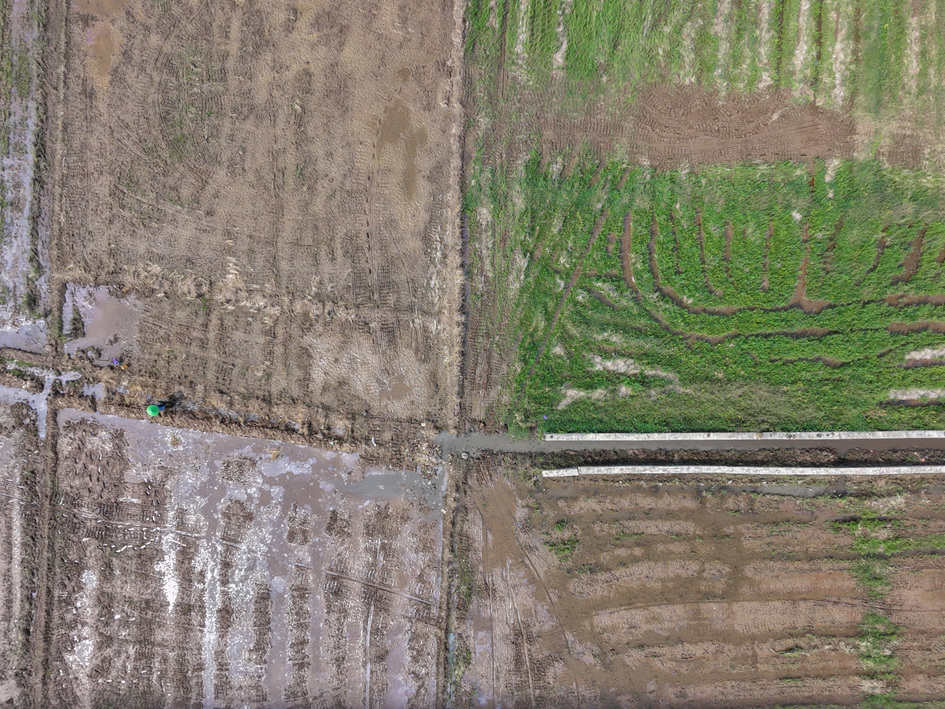
In the agricultural sector, BMKG warned of risks involving disrupted plant growth phases, decreased productivity, and the potential for crop failure due to water deficits. Adjusting planting patterns and implementing more efficient irrigation management are steps that must be taken immediately.
“We must consider climate risk aspects in economic and investment planning. By better considering climate risks, agricultural productivity and economic stability can be better maintained,” Faisal stated.
For the energy sector, Faisal encouraged the optimisation of reservoir management, as water volumes in dams could decrease significantly during El Niño when coinciding with the dry season, potentially disrupting hydropower production. Weather Modification Operations and the diversification of energy sources need to be accelerated as anticipatory measures.
In the health sector, local governments have been asked to increase vigilance regarding the potential surge in Upper Respiratory Tract Infections (ISPA) caused by haze from forest and land fires, as well as diseases related to extreme heat, such as heatstroke. In urban areas, vehicle emission control and the restriction of outdoor activities during periods of poor air quality must also be prepared.
Faisal reminded that Indonesia possesses 699 seasonal zones with diverse characteristics, meaning mitigation strategies must be tailored to the conditions of each region.
“Preparedness must be carried out cross-sectorally. Risks of drought, forest and land fires, air quality, and public health need to be anticipated early through strong coordination between the central government, local governments, and all stakeholders,” concluded Faisal.
Source: jawawa.id (https://jawawa.id/newsitem/bmkg-strong-el-nino-threatens-food-energy-and-health-1782726652)
Originally published by Media Indonesia (https://mediaindonesia.com/humaniora/905441/bmkg-el-nino-kuat-mengancam-pangan-energi-dan-kesehatan), translated from Indonesian