
BMKG Strengthens Impact-Based Early Warning System to Reduce Disaster Risk
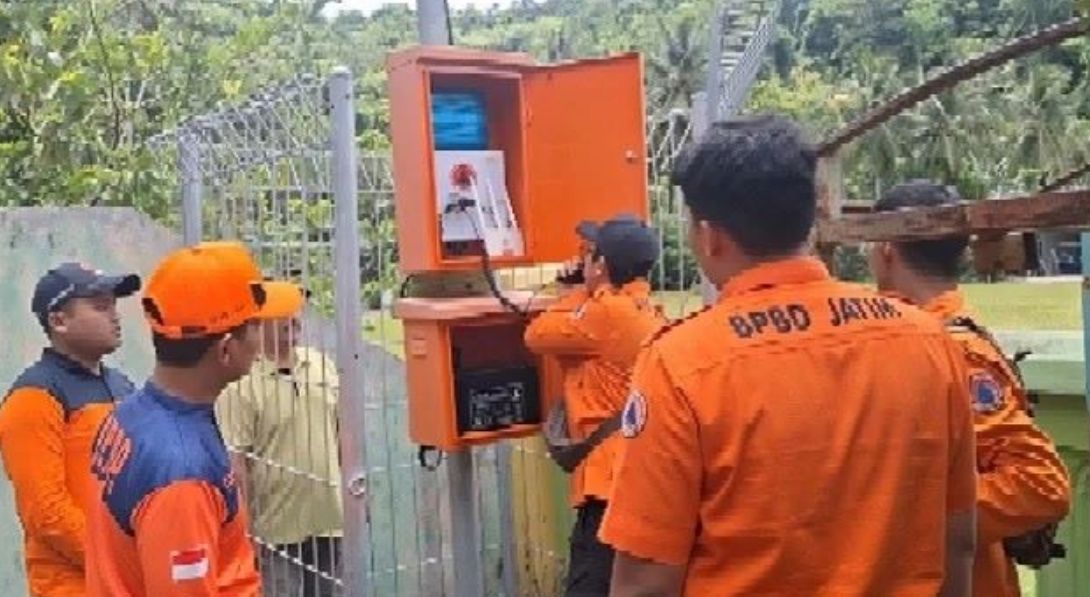
The Indonesian Agency for Meteorology, Climatology, and Geophysics (BMKG) is strengthening its weather early warning system through the implementation of Impact-Based Forecasting (IBF) to support the implementation of Early Warning Response Actions (AMPD) in Indonesia.
Acting Deputy for Meteorology at BMKG, Andri Ramdhani, stated that this service transformation is a response to the increasing frequency of hydrometeorological disasters in Indonesia between 2010 and 2025, which have impacted communities, infrastructure, public services, and economic activities.
“We must shift from merely reporting what the weather will be to what the weather will cause, along with recommended actions. Through IBF, BMKG is designing information services that are much more specific, down to the sub-district and village levels,” said Andri on Wednesday (24/6).
According to him, the IBF service will provide daily impact forecasts for up to 10 days ahead, updated every 12 hours. BMKG is also developing a ‘nowcasting’ service that provides short-term weather forecasts for the next one to six hours, updated every 10 minutes.
This service is supported by artificial intelligence technology integrated with weather radar data and Numerical Weather Prediction (NWP), enabling the generation of faster and more specific information regarding the potential impacts of extreme weather.
Andri explained that this intelligent information system will support various national strategic sectors, ranging from disaster mitigation, food security, transportation, energy, water resources, and the environment, to tourism and infrastructure development.
To strengthen implementation, BMKG, along with several ministries and agencies, is currently drafting joint standard operating procedures (SOP), forming cross-agency teams, and building an integrated monitoring dashboard based on real-time data.
Furthermore, BMKG is collaborating with the Ministry of Communication and Digital, as well as telecommunications operators, to disseminate early warning information to the public via mass SMS Blast services.
The initial implementation of the IBF system will be conducted in the Jabodetabek-Punjur area as a pilot region before being expanded to various other regions across Indonesia.
BMKG hopes that the development of IBF, integrated with AMPD, will ensure that Indonesia’s early warning system not only produces accurate information but also encourages concrete action to reduce disaster risks, minimise loss of life, and minimise economic losses caused by extreme weather.
Source: jawawa.id (https://jawawa.id/newsitem/bmkg-strengthens-impact-based-early-warning-system-to-reduce-disaster-risk-1782287462)
Originally published by Media Indonesia (https://mediaindonesia.com/humaniora/903801/bmkg-perkuat-sistem-peringatan-dini-berbasis-dampak-untuk-kurangi-risiko-bencana), translated from Indonesian