
BMKG: Solar Culmination Triggering More Oppressive Heat in Jakarta
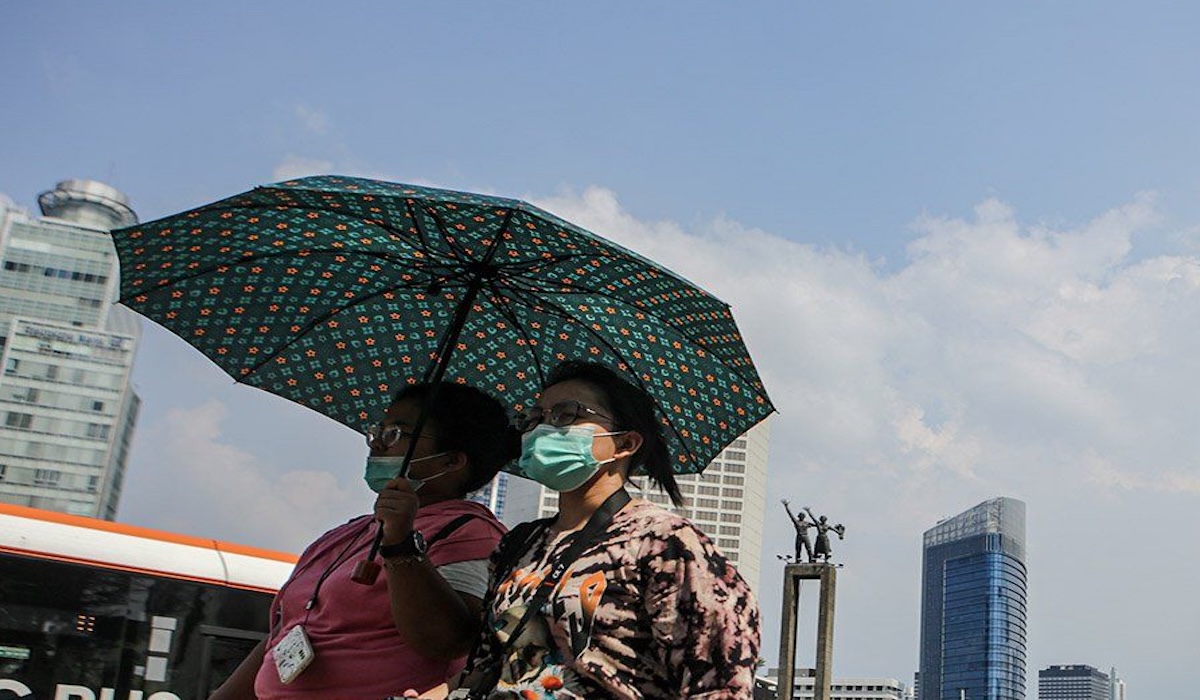
The Meteorology, Climatology, and Geophysics Agency (BMKG) has revealed the cause of air temperatures in the DKI Jakarta area and its surroundings feeling much hotter or ‘sumuk’ in recent days. The scorching Jakarta weather is predicted to continue until the end of September 2026. BMKG’s Deputy for Climatology, Ardhasena Sopaheluwakan, explained that the heatwave phenomenon is triggered by the solar culmination position moving directly over the horizon of Java Island. Additionally, the Indonesian region is currently in the dry season period. “Regarding the temperature in DKI Jakarta, it will feel more sumuk, because around late September to October, the sun’s position is exactly crossing over the area above Java Island,” Ardhasena stated during a press conference on the ‘Development of Indonesia’s 2026 Dry Season’ in Jakarta, Wednesday (10/6). Based on BMKG’s weather forecast, before reaching the peak of extreme temperatures at the end of September, Jakarta will experience dry air characteristics with low humidity levels throughout July to August. This annual cycle is worsened by this year’s El Niño phenomenon. The impact of El Niño is projected to extend the duration of the dry season in the Greater Jakarta area beyond its normal conditions. Currently, North Jakarta has been recorded as entering the dry season since May, while South Jakarta only followed in June. The lack of rainfall due to the long dry season causes the atmospheric layer to lose its natural cleanser of pollution. This has the potential to degrade Jakarta’s air quality due to the accumulation of pollutant particles from transportation and industry. Facing these extreme weather conditions, BMKG has urged the public in the megapolitan area to increase awareness of changing weather patterns. Residents are expected to maintain their physical health, ensure adequate fluid intake, and routinely monitor official information from BMKG channels before engaging in outdoor activities. The combination of high temperatures and declining air quality poses a major challenge for residents of the capital city in the coming months until entering the transition phase at the end of the year. (Z-10)