
BMKG Reveals Regions Most at Risk of Drought During Dry Season Peak
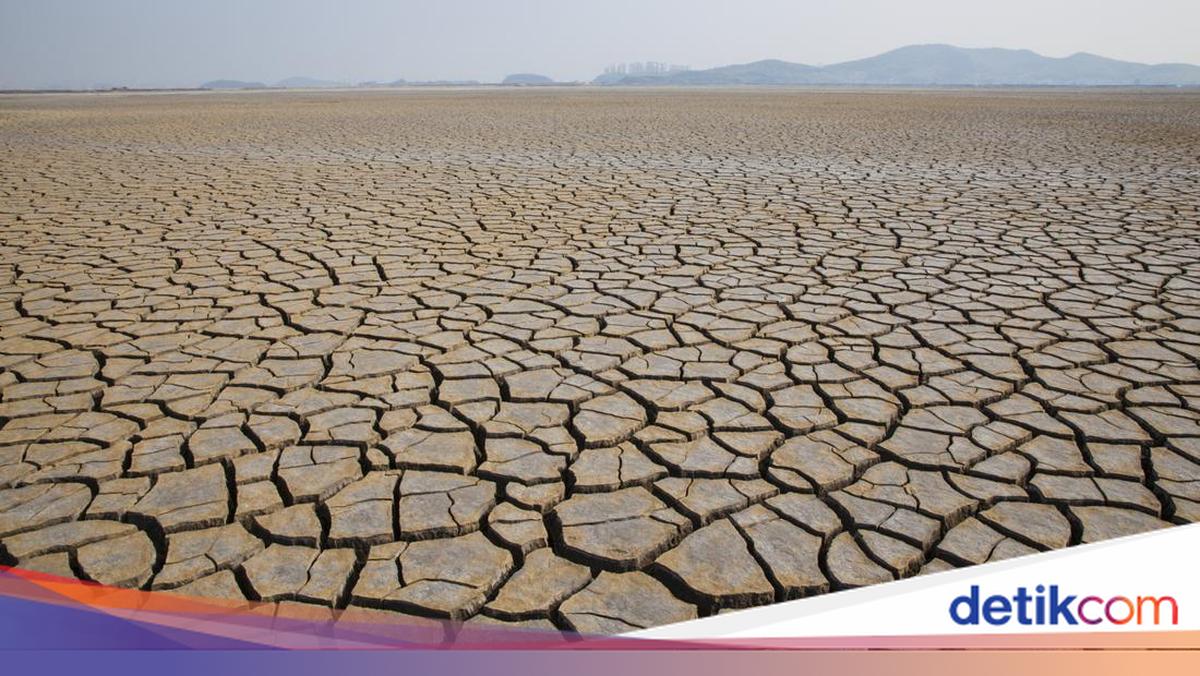
The Indonesian Agency for Meteorology, Climatology, and Geophysics (BMKG) has announced that the peak of the dry season in 2026 is expected to occur between August and September. BMKG predicts that most areas in Java, Bali, and southern Kalimantan will be the regions with the highest drought potential.
BMKG Secretary General Guswanto stated that rainfall in these areas is expected to remain below normal until early October. This condition necessitates early anticipation of potential drought, forest and land fires (karhutla), and clean water crises.
“The regions with the highest drought potential during the August-September 2026 dry season peak are most of Java, Bali, Nusa Tenggara, southern Kalimantan, and southern Sulawesi. These areas are predicted to experience below-normal rainfall until early October before rains begin to return,” said Guswanto on Friday (31/07/2026).
Java is expected to be one of the most vulnerable regions. In addition to rainfall remaining below normal until October, water demand in this area is also very high as it serves as a centre for agricultural activity and is home to a dense population.
Meanwhile, Bali and Nusa Tenggara are also predicted to face a fairly long dry season. Climatologically, these two regions more frequently experience droughts, meaning the risk of forest and land fires is expected to increase during the peak of the dry season.
In Kalimantan, particularly in the southern and central regions, below-normal rainfall has the potential to increase the number of hotspots that could trigger forest and land fires.
South Sulawesi is also expected to experience a rainfall deficit until September, requiring vigilance regarding the impact on the agricultural sector and water availability.
Conversely, BMKG predicts that North Sumatra, Aceh, and the coast of Riau will have a relatively lower risk of drought. These regions are predicted to receive rain sooner due to having different climatic characteristics compared to southern Indonesia.
Guswanto explained that this year’s dry season is still being influenced by the El Niño phenomenon, which is expected to persist until early 2027. However, its impact on Indonesia is projected to gradually weaken by mid-October.
“The peak of the dry season is expected to occur from August to September. The beginning of the rainy season will arrive in October in parts of western Indonesia and will expand in November,” said Guswanto.
BMKG warned of several impacts that need to be anticipated during the peak of the dry season. In the agricultural sector, drought has the potential to reduce food production, particularly in Java and Nusa Tenggara. The risk of forest and land fires is also expected to increase, especially in Kalimantan and Riau, which frequently record many hotspots during the dry season.
Furthermore, the potential for a clean water crisis must be a priority, especially in densely populated areas and regions with limited water sources. BMKG urged local governments and the public to undertake early mitigation steps to reduce the impact of the dry season, which is expected to continue until September.
Source: jawawa.id (https://jawawa.id/newsitem/bmkg-reveals-regions-most-at-risk-of-drought-during-dry-season-peak-1785466583)
Originally published by detikcom (https://news.detik.com/berita/d-8597942/bmkg-ungkap-wilayah-paling-berpotensi-alami-kekeringan-saat-puncak-kemarau), translated from Indonesian