
BMKG Reveals Potential Liquefaction and Landslide Risk After Palu Earthquake
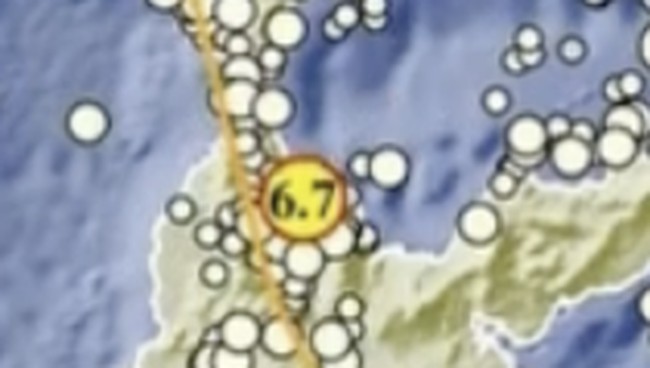
The Meteorology, Climatology and Geophysics Agency (BMKG) has not ruled out the possibility of liquefaction and landslides after a magnitude 6.7 earthquake struck Palu on Tuesday (16/6/2026). BMKG Director of Earthquakes and Tsunamis, Wijayanto, explained that several areas were affected by liquefaction during the 2018 Palu earthquake with a magnitude of 7.5, and a similar phenomenon could occur this time. “But liquefaction does not happen in all areas. Only in certain regions, primarily those that are sandy and where there is potential for water to rise,” Wijayanto said during a press conference. Despite the potential, he expressed hope that any liquefaction would not be as significant as in 2018, given the considerable difference in energy between the two earthquakes. As of now, BMKG has not received any reports of earthquake-induced liquefaction or landslides. The agency has, however, received reports of damage to several buildings, including the regent’s office and a number of houses, where platforms, roofs, and walls collapsed. By 12:00 WIB, BMKG reported that Palu had experienced 20 aftershocks, with the largest reaching magnitude 5.1. “We can confirm that aftershocks are still occurring,” said Deputy for Geophysics Nelly Florida, adding that BMKG is continuing to monitor the aftershock activity. Wijayanto noted that the aftershocks are significantly weaker in strength, and it is expected that both their frequency and magnitude will continue to decrease in the coming days.