
BMKG: Rain still likely in southern Central Java
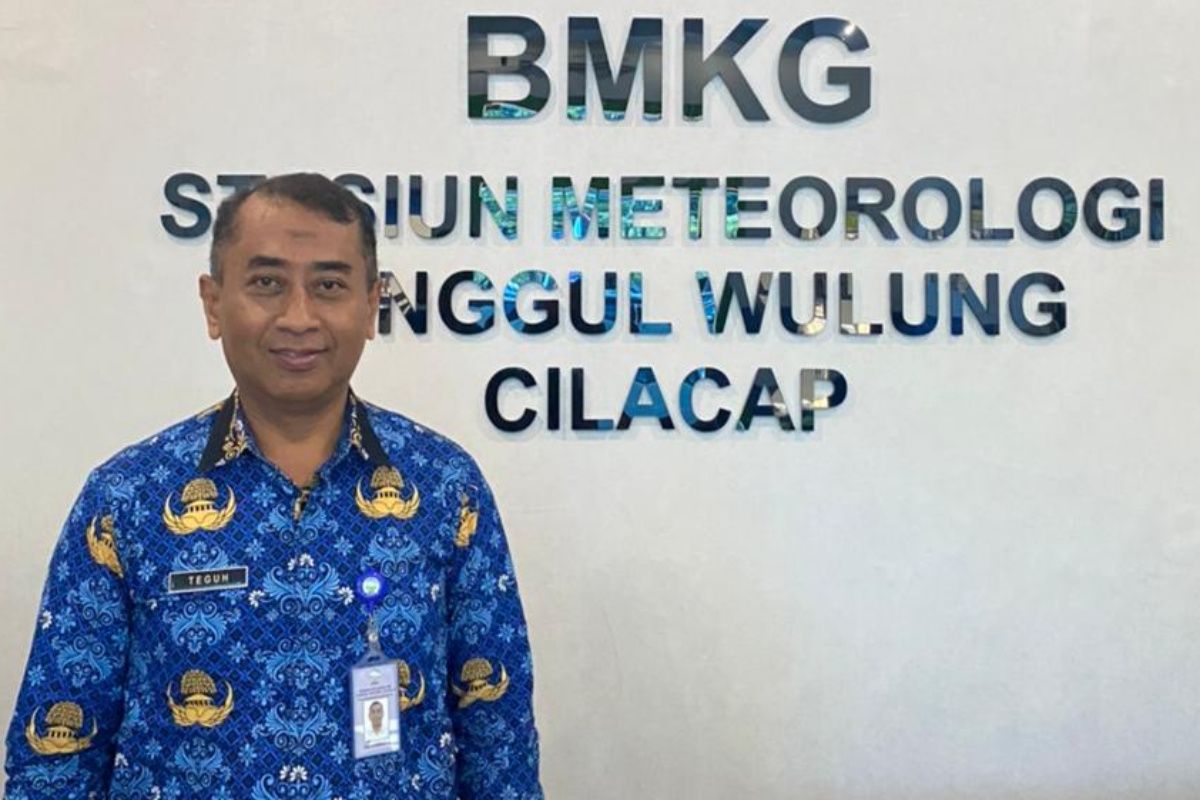
The Meteorology, Climatology, and Geophysics Agency (BMKG) Tunggul Wulung Meteorological Station in Cilacap has stated that rain is still likely to occur in the southern regions of Central Java, even though most areas are showing signs of entering the dry season. Teguh Wardoyo, Head of the Data Service and Information Dissemination Team at BMKG Tunggul Wulung, noted on Friday that light to moderate rainfall has been recorded in several southern Central Java areas, especially in Banyumas Regency. Based on observations at several rainfall monitoring posts, rainfall with light to moderate intensity was recorded on 4 June 2026, with amounts ranging between 16-20 millimetres per day. According to Wardoyo, the rain in Banyumas on Thursday was triggered by local factors, specifically the growth of Cumulonimbus (Cb) clouds around the area. This convective cloud growth caused localised rain despite the general atmospheric conditions shifting towards the dry season. He added that Cilacap, Banyumas, and surrounding areas in southern Central Java are currently exhibiting several characteristics of the dry season, such as cooler morning temperatures compared to usual. Furthermore, daytime sunlight feels more intense due to reduced cloud cover, allowing solar radiation to reach the earth’s surface more directly. Wind patterns also show a dominance of easterly winds, which is a hallmark of the dry season. Meanwhile, other parts of Cilacap Regency have recorded monthly rainfall of less than 150 millimetres, with Binangun District recording the lowest at 53 millimetres per month. Similar conditions are observed in Banyumas Regency, where areas such as Banteran, Jatilawang, Cikidang, and Lumbir recorded less than 150 millimetres per month. Notably, the Sumpiuh area received only 41 millimetres of rainfall during May 2026, spanning five rainy days. Nevertheless, BMKG forecasts that rain still has the potential to occur in the coming days, although the probability remains relatively low and highly localised.