
BMKG Prepares Cloud Seeding in Java to Anticipate Extreme Drought
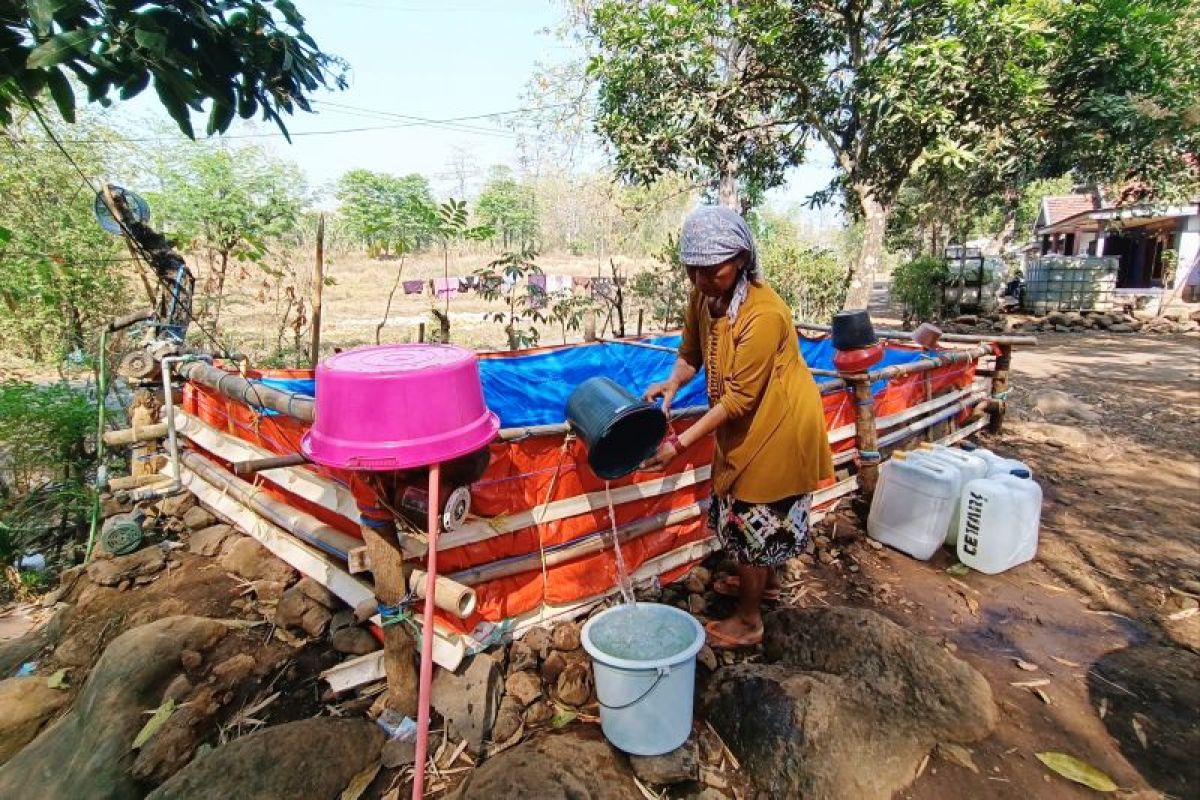
The Meteorology, Climatology and Geophysics Agency (BMKG) is preparing a strategic measure in the form of a Weather Modification Operation (OMC) scheduled for early October. This step is being taken to anticipate potential water shortages due to a dry season predicted to be hotter and drier on the island of Java. BMKG Deputy for Weather Modification, Tri Handoko Seto, revealed that this intervention is crucial for increasing rainfall intensity. The goal is to ensure the availability of water supplies in major reservoirs that support the agricultural sector and the basic needs of the community. “Currently, the main reservoirs in Java, such as the Saguling, Cirata, and Jatiluhur reservoirs in the Citarum system, and the Brantas reservoir in East Java, are still at safe levels. But later in September-October, a deficit is likely, so in early October we will carry out a modification operation in Java,” Seto said when confirmed after a Clean Water Distribution Operation Roll Call at the PMI Logistics Warehouse in Jakarta, Tuesday (30/6). Seto explained that the OMC plan has been coordinated with the National Disaster Mitigation Agency (BNPB). This is in line with the establishment of a drought emergency response status in several areas in West Java, Central Java, and East Java. Based on BMKG’s climate analysis, although the western and southern parts of Indonesia are currently still experiencing rain, conditions will change drastically from July to mid-October. Rainfall intensity is projected to decrease significantly, exacerbated by the 2026 El Nino phenomenon. In addition to focusing on Java, BMKG is also running parallel weather modification operations in other regions. Other main focuses include maintaining the water volume capacity of Lake Toba in North Sumatra, and the Poso region in Central Sulawesi. The OMC intervention is not only aimed at food security, but also as a preventive measure to reduce the risk of forest and land fires (Karhutla). By maintaining soil moisture and water availability, the potential for haze disasters in vulnerable areas can be minimised. “The hope is that this weather modification operation can help the agricultural sector and sustain human life, especially our brothers and sisters in Sumatra and Kalimantan who are vulnerable to the impact of haze,” Seto concluded.