
BMKG Predicts Peak of 2026 Dry Season in August Amid Strengthening El Niño
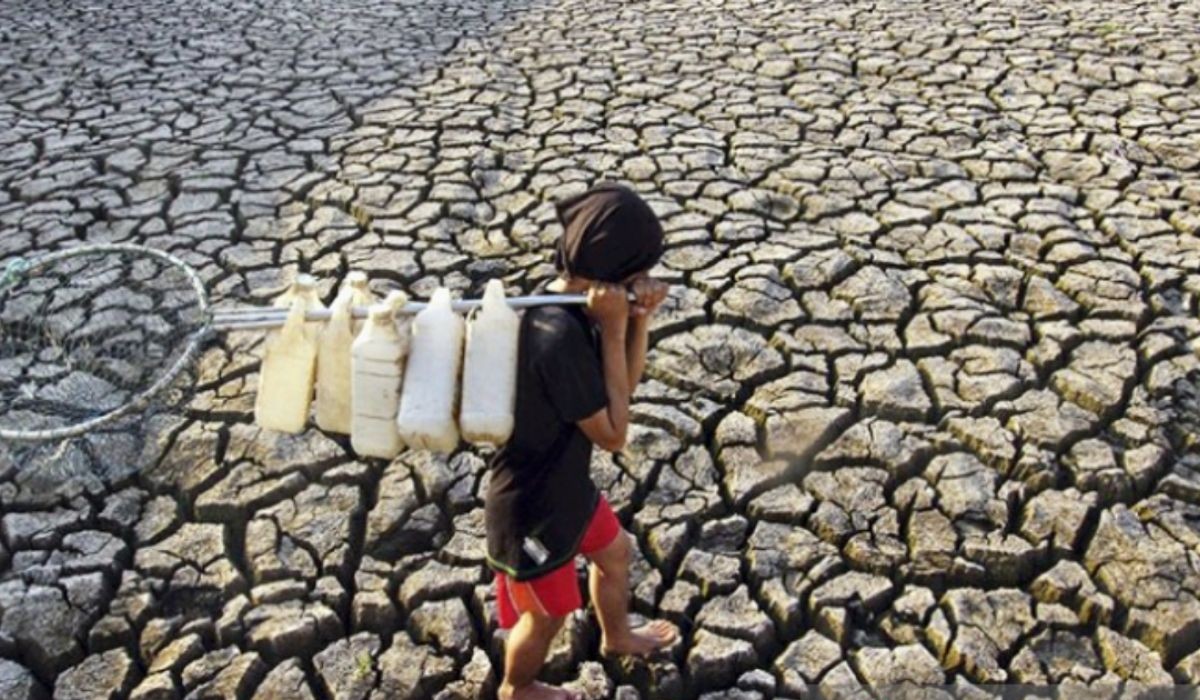
The Meteorology, Climatology and Geophysics Agency (BMKG) estimates that most of Indonesia will experience the peak of the dry season in August 2026. This condition is expected to increase the risk of drought and forest and land fires (karhutla) as the El Niño phenomenon strengthens this year. Ardhasena Sopaheluwakan, BMKG Deputy for Climatology, stated that the updated dry season prediction indicates the peak will occur gradually from July to September 2026. ‘We predict that most of Indonesia will experience the peak of the dry season in August, covering 369 seasonal zones or 48.84% of the country’s land area,’ Sena said during a press conference on the updated 2026 dry season prediction on Wednesday (10/6).
BMKG recorded that 83 seasonal zones, or 12.26% of Indonesia, are predicted to reach the peak of the dry season in July 2026. Meanwhile, 169 seasonal zones, or 25.41% of the country, are expected to experience the peak in September. Regions predicted to experience the peak of the dry season in August include most of Java, Bali, West Nusa Tenggara, East Nusa Tenggara, most of Kalimantan, parts of Sulawesi, Maluku, and North Maluku.
The prediction aligns with the potential for a drier dry season due to the El Niño phenomenon, which is expected to become active in mid-year and persist until early 2027. BMKG estimates that 482 seasonal zones, or 56.18% of Indonesia, will experience a dry season with below-normal characteristics, meaning it will be drier than the climatological average. Additionally, 437 seasonal zones, or 48.77% of the country, are predicted to experience a longer-than-usual dry season duration. ‘Rainfall during the 2026 dry season is generally predicted to be in the below-normal category or drier than usual conditions,’ Sena stated.
According to BMKG, this condition requires attention from various sectors, especially agriculture, water resources, energy, the environment, and disaster management. Regional governments have been asked to strengthen early mitigation measures to anticipate the drought impacts expected to increase during the peak of the dry season. For the agricultural sector, BMKG recommends adjusting planting schedules and using more drought-resistant crop varieties. Meanwhile, the forestry and disaster sectors are urged to increase preparedness for the potential forest and land fires that typically increase when rainfall drops drastically. BMKG also urges the public to continue monitoring climate and weather information from official BMKG channels as a basis for taking anticipatory steps in facing the 2026 dry season.