
BMKG predicts declining rainfall potential in South Sumatra
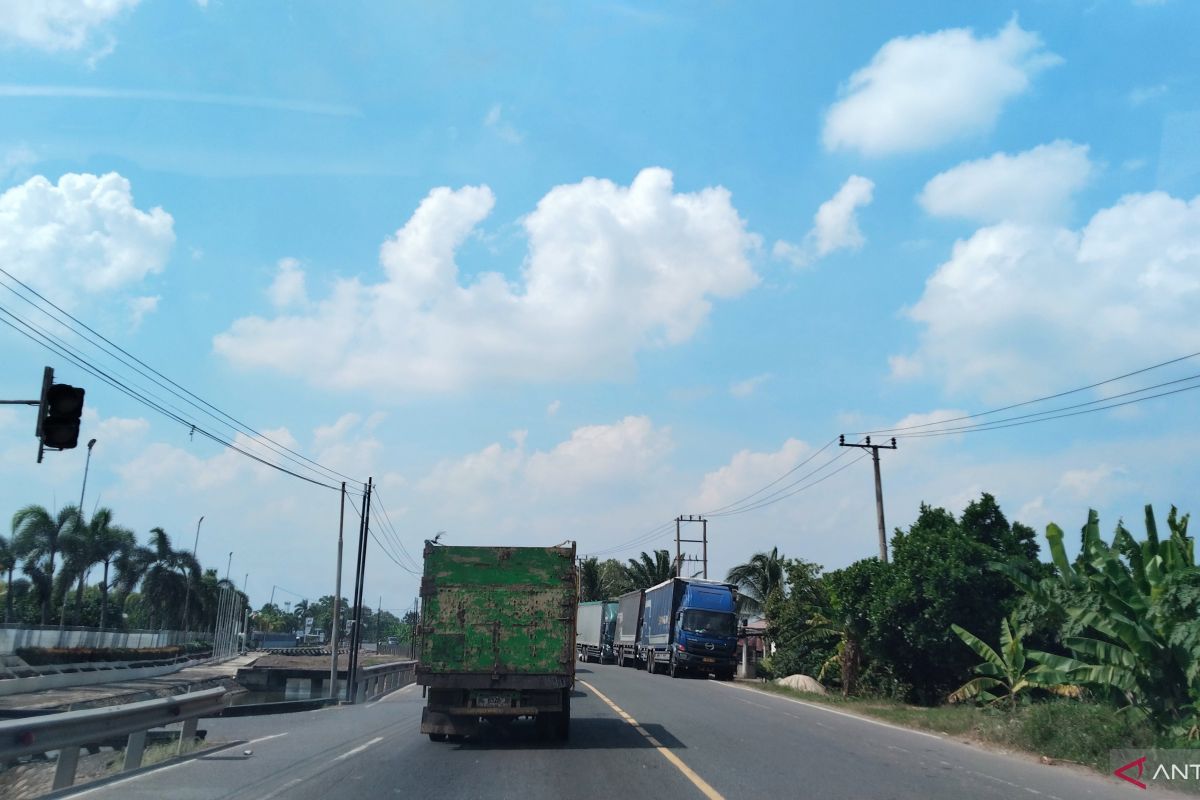
The Meteorology, Climatology, and Geophysics Agency (BMKG) predicts that the potential for rainfall in the South Sumatra province will continue to decline over the coming week as the early dry season commences. Sinta Andayani, Head of the Data and Information Unit at the BMKG Sultan Mahmud Badaruddin (SMB) II Palembang Meteorological Station, stated in Palembang on Wednesday that current weather conditions in South Sumatra are generally dominated by sunny to cloudy skies.
According to Sinta, the decrease in rainfall intensity is triggered by the activation of the Australian Monsoon blowing across the Indonesian archipelago. “The activation of the Australian Monsoon causes the water vapour content in the atmosphere to become very minimal. Furthermore, current atmospheric dynamics have little influence on the process of rain cloud formation,” she said. She explained that, climatologically, South Sumatra has officially entered the beginning of the dry season. This decline in rainfall potential correlates directly with reduced cloud cover.
These conditions have resulted in a surge in air temperatures accompanied by a significant drop in humidity. “Maximum daytime temperatures can now reach 33 to 34 degrees Celsius. This hot and scorching weather will certainly feel uncomfortable for people engaged in outdoor activities,” she noted. In response to these weather changes, BMKG has advised the public to adapt to the heat by using sunscreen or umbrellas when outdoors and to maintain physical health during the dry period. The public is also urged to be wise and economical in using clean water in anticipation of drought impacts.
Nevertheless, Sinta warned that the primary concern regarding this phenomenon is the rising risk of fire. The lack of rainfall causes vegetation to dry out, making it highly flammable. “We request the public and relevant parties to maintain high vigilance against the increased potential for forest and land fires (karhutla), as well as the threat of fire hazards in densely populated residential areas,” she concluded.