
BMKG: Peak of Central Java Dry Season Expected in July-August 2026
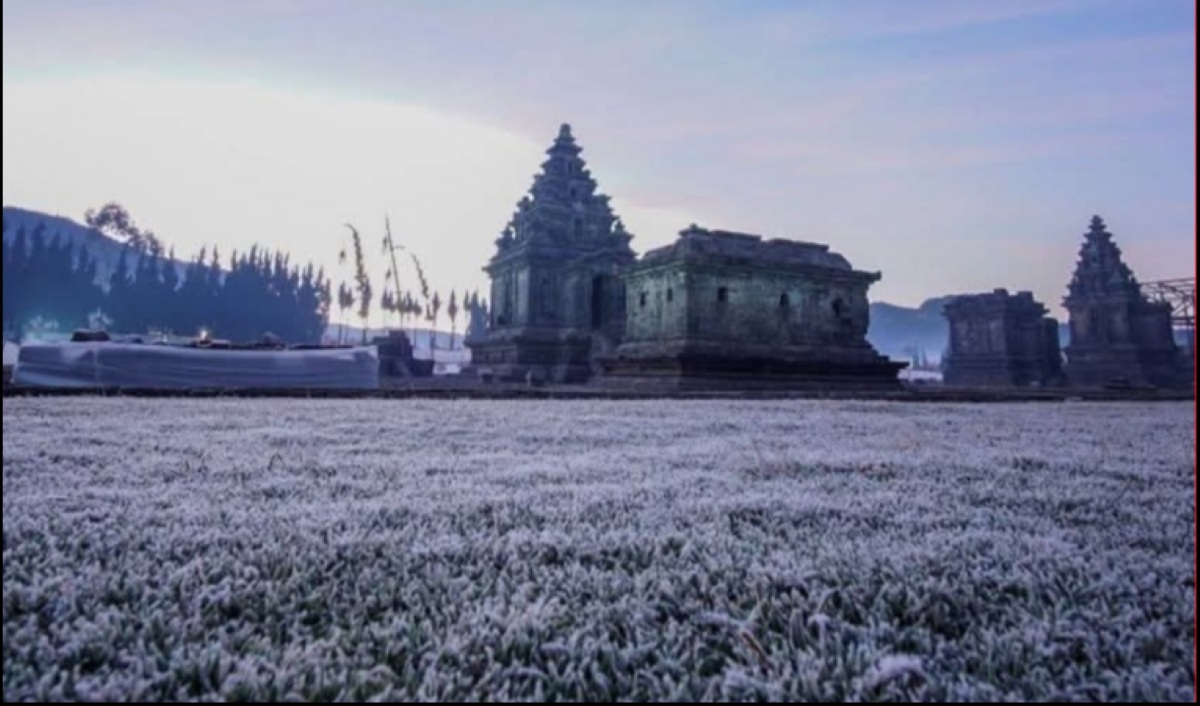
The Meteorology, Climatology and Geophysics Agency (BMKG) for Central Java has issued an early warning regarding the peak of the dry season, which is predicted to affect dozens of regions in July and August 2026. Some areas are even expected to face a longer drought period, with durations reaching 8 to 9 months.
Based on monitoring up to Saturday (20/6), although most areas in Central Java have entered the dry season since May, light to moderate rain is still being observed in several regions. This condition means the impact of the drought has not yet been fully felt, as clean water availability remains sufficient.
Head of the Central Java Climatology Station, Goeroeh Tjiptanto, explained that the peak of this year’s dry season will generally arrive earlier or follow its normal pattern. However, the rainfall characteristics during this period are expected to fall into the below-normal category.
“Some areas will reach the peak of the dry season in July. But in general, the peak of the dry season in Central Java is predicted to occur in August 2026,” said Goeroeh on Saturday (20/6).
Goeroeh added that the duration of the 2026 dry season generally ranges from 16-18 dasarian, or about 5-6 months. However, there are areas that will experience an extreme dry season with a duration of 25-27 dasarian (8-9 months).
Based on data from the Central Java Climatology Station, the breakdown of areas reaching the peak of the dry season is as follows: Areas predicted to reach the driest point earlier include approximately 83.3 percent of the seasonal zones in Central Java. Meanwhile, the area expected to experience the peak of the dry season last is the Karimunjawa Islands, which is predicted to occur in September 2026.
The public is urged to start conserving clean water usage and to be vigilant against the potential for land fires as the peak dry season period with below-normal rainfall intensity approaches.