
BMKG optimises weather analysis to oversee weather modification operations for forest fires in West and Central Kalimantan
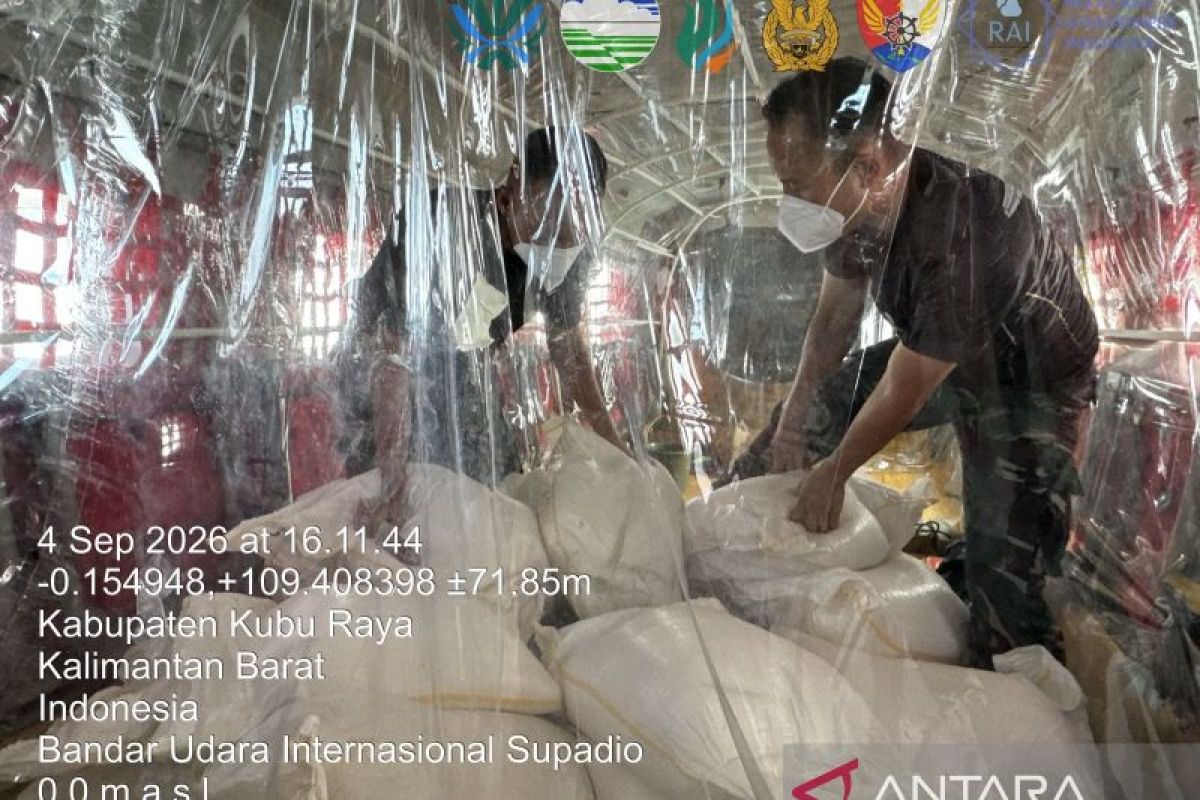
The Indonesian Agency for Meteorology, Climatology, and Geophysics (BMKG) is optimising weather data analysis and real-time monitoring of atmospheric dynamics to oversee the effectiveness of Weather Modification Operations (OMC) for handling forest and land fires in West Kalimantan and Central Kalimantan.
BMKG Deputy for Weather Modification, Tri Handoko Seto, stated in Jakarta on Saturday that the accuracy of weather data supply is an absolute requirement for the success of cloud seeding, which aims to moisten peatlands and suppress the spread of hotspots.
“Cloud seeding is conducted in peatland areas where hotspots are detected to reduce heat points and improve air quality caused by thick haze,” he said.
BMKG Director of Weather Modification Operations, Budi Harsoyo, added that weather radar data from the OMC Post at Supadio Airbase, Kubu Raya, serves as the primary guide for the joint aerial fleet in planning salt seeding flight routes.
“This intervention has triggered rain in Putussibau, Kubu Raya, up to Pontianak City,” he noted.
In parallel, he stated that the OMC in Central Kalimantan from 26 August to 5 September 2026 recorded 10 flight sorties with a total of 8,000 kg of NaCl, which successfully brought light to moderate rain to Murung Raya, North Barito, West Kotawaringin, Kapuas, Lamandau, and South Barito.
Observing positive results in peat soil moisture and the thinning of haze, the government has officially extended the implementation of the OMC in West and Central Kalimantan from 5 to 14 September 2026, with financial support from the Ministry of Forestry and the National Disaster Management Agency (BNPB).
Harsoyo emphasised that the integration of BMKG’s meteorological analysis into the OMC marks a paradigm shift in national ecological disaster management, moving from reactive firefighting to early, measurable, and integrated prevention across ministries and agencies.