
BMKG Operates S-Band Weather Radar in Cilacap for Tropical Cyclone Detection
The government, through the Meteorology, Climatology and Geophysics Agency (BMKG), has officially commissioned a state-of-the-art S-Band weather radar facility in Cilacap Regency, Central Java. This strategic move aims to strengthen the early detection system for potential tropical cyclone seeds that frequently threaten the southern coast of Java.
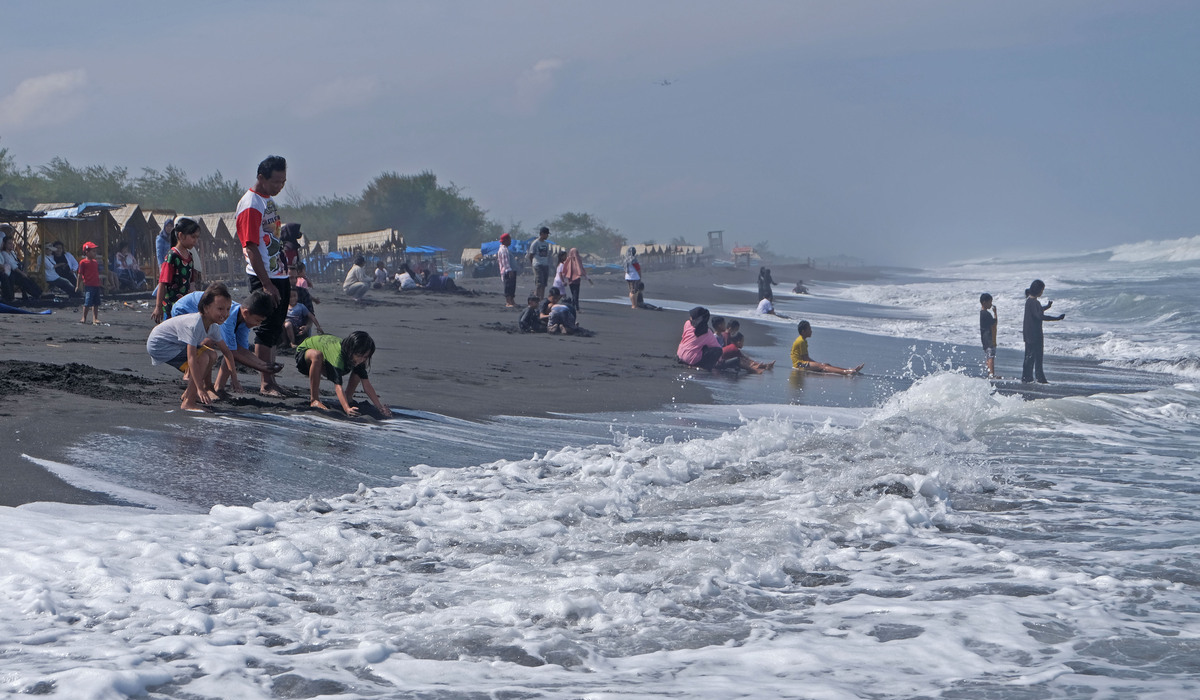
Head of BMKG, Teuku Faisal Fathani, asserted that the radar’s presence serves as a crucial defensive bastion for Indonesia. This assessment refers to historical records of the southern region being hit by destructive tropical cyclones, such as Cyclone Cempaka and Dahlia south of Yogyakarta in 2017, and Cyclone Seroja in East Nusa Tenggara in 2021.
“The southern coast plays a strategic role in maritime activities, fisheries, transportation, industry, and disaster preparedness. All of these require fast and reliable weather data support,” Faisal stated in Jakarta on Wednesday (8/7).
The selection of Cilacap as the radar location was based on its geographical position directly facing the Indian Ocean. Furthermore, the area has a high density of economic activity, making the protection of assets and lives a priority.
Beyond detecting cyclone seeds, the new infrastructure is capable of providing precise data expected to minimise the impact of hydrometeorological disasters, such as the landslides that struck the area last year. From an economic perspective, the radar ensures the safety of fishermen at sea and maintains the stability of Cilacap’s fishing industry, which is a major supplier of protein in Central Java.
The procurement of this facility is part of the Marine Meteorological System Phase II (MMS-2) project. Through this project, BMKG is building five new weather radars, consisting of four S-Band radars in Cilacap, Natuna, Tanjung Pinang, and Saumlaki, as well as the rejuvenation of one C-Band weather radar in Tangerang for coverage of the Greater Jakarta area.
Faisal added that BMKG continues to strive to strengthen the national atmospheric observation network. Currently, BMKG operates 45 radar units out of a total requirement of 75 units to cover the entire Indonesian airspace. The government is committed to gradually increasing this number to ensure national security and data sovereignty.