
BMKG on Barito River Drying Up: Rainfall in Central Kalimantan Low
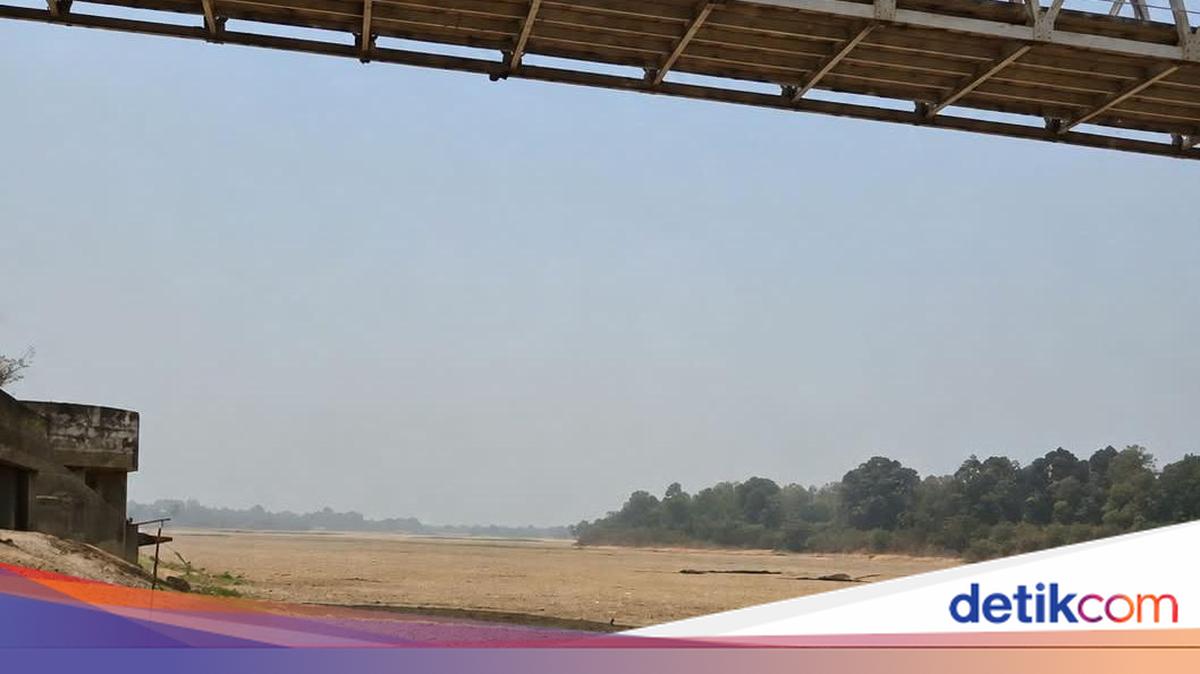
The Meteorology, Climatology and Geophysics Agency (BMKG) has revealed the cause of the drying of the Barito River in Central Kalimantan (Kalteng). BMKG stated that the Central Kalimantan region is entering the peak of the dry season.
“In terms of rainfall, during the first dasarian of August 2026 in Central Kalimantan, rainfall was indeed in the low category (0-10 mm/dasarian),” said BMKG Director of Climate Change Fachri Rajab to detikcom on Friday (21/8/2026).
He said the Central Kalimantan region generally experienced days without rain (HTH) in the medium category (11 to 20 consecutive days without rain) and the very long category (31 to 60 consecutive days without rain).
“Currently, most parts of Indonesia, including Central Kalimantan, are in the peak period of the dry season,” he said.
Contacted separately, BMKG Extreme Weather and Climate Researcher Siswanto said the condition of the Barito River drying up like a desert is confirmed by BMKG’s meteorological drought analysis. According to him, most areas crossed by the Barito River experienced HTH in the long to very long category.
“BMKG’s monitoring of dry spell or days without rain (HTH) shows that most areas have experienced HTH in the long to very long category (more than 20 days up to 1 month),” said Siswanto.
As is known, the Barito River in Central Kalimantan is drying up. The continuously receding water discharge has caused several parts of the river to become shallow, with stretches of sand and land emerging in the middle of the flow.
The unusual sight was visible around the Kalahien Bridge in Kalahien Village, Dusun Selatan District, South Barito Regency. Sandbars formed in the middle of the river made the flow appear split, and some areas resembled a beach.
Local resident Rudi Hermansyah said the receding of the Barito River has been visibly severe since early August. According to him, the emergence of land in the middle of the river is one sign that the water discharge has decreased significantly.
“This condition has not only altered the river’s landscape but has also begun to disrupt water transport activities. A number of cargo ships and barges have reported difficulty passing through the shallow parts of the river,” said Rudi, as reported by detikKalimantan on Friday (21/8/2026).