
BMKG NTB: Cold Air Temperatures Signal Approaching Peak of Dry Season
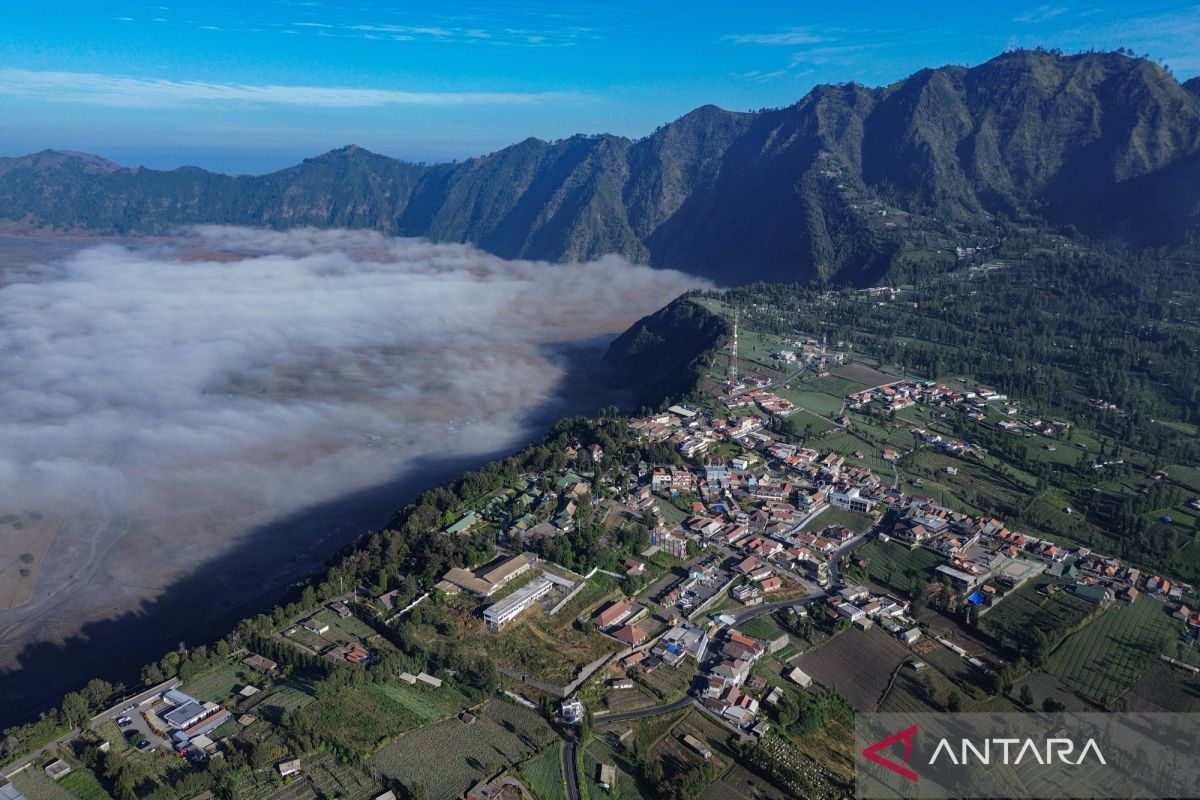
The Meteorology, Climatology, and Geophysics Agency (BMKG) has stated that the phenomenon of decreasing minimum air temperatures, felt as cold during the night and morning in the West Nusa Tenggara (NTB) region, is a sign that the peak of the dry season is drawing near.
Ari Wibianto, Head of the Observation, Data, and Information Working Group at the Zainuddin Abdul Madting Meteorological Station, said the current cold air temperatures are consistent with the strengthening of the Australian monsoon, which brings cold and dry air masses to the southern region of Indonesia.
BMKG noted that in April 2026, the average minimum air temperature in West Nusa Tenggara ranged between 23 and 24 degrees Celsius. By early June 2026, the average minimum temperature dropped to levels between 18 and 21 degrees Celsius.
Ari noted that during the peak of the dry season, which is expected to occur from July to August, the air will feel even colder due to a significant drop in minimum temperatures. This condition occurs because of the strengthening of high-pressure systems in Australia, which brings abundant intensities of cold and dry air masses into the southern Indonesian region.
“As the circulation of the dry eastern monsoon winds strengthens, it can reduce the formation of convective clouds, thereby drastically reducing the frequency of rainfall,” said Ari.
Based on BMKG’s analysis, cold air has the potential to affect the entire West Nusa Tenggara region for several months ahead. Ari explained that the influence of the cold air is predicted to begin weakening in late September 2026, as the strength of the Australian monsoon decreases when the continent enters its transition from winter to spring.
“Entering late September, the Australian continent will slowly begin to warm up as it transitions towards spring,” he concluded.