
BMKG Makassar: Rainfall Anomaly at the Start of the Dry Season Triggered by Global Atmospheric Disturbances
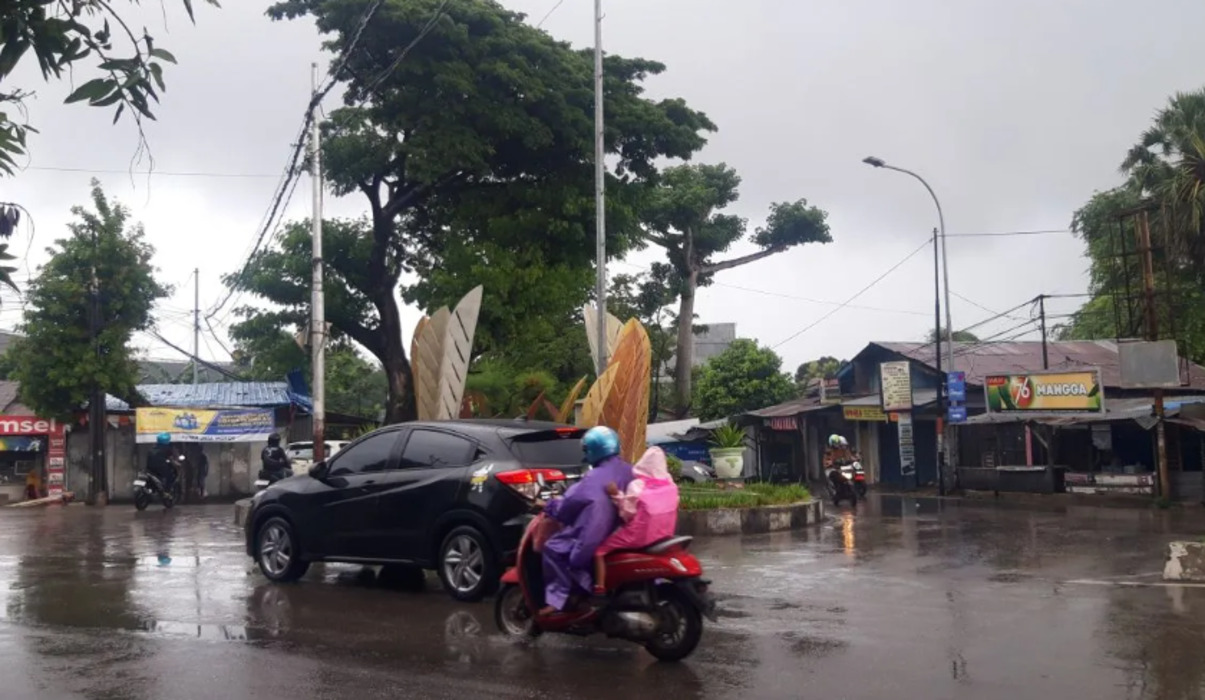
The Meteorology, Climatology, and Geophysics Agency (BMKG) Region IV Makassar has revealed that the rainfall anomaly observed at the onset of the 2026 dry season is triggered by global atmospheric disturbances. One of the primary factors identified is the active Madden-Julian Oscillation (MJO) together with a number of other equatorial waves.
Forecaster Retno Noviana of BMKG Region IV Makassar explained that this unusual weather results from the simultaneous interaction of four major atmospheric waves.
“The conditions are influenced by the simultaneous activation of four equatorial waves—Tropical Depression, MJO, Rossby waves, and Kelvin waves. This greatly supports the formation of rain-bearing clouds over Indonesia,” Retno said in Makassar on Monday (18 May 2026).
In addition to atmospheric waves, warm sea surface temperatures in the eastern Indonesian waters have also contributed significantly to high rainfall in South Sulawesi.
Retno added that the warmth in the Banda Sea increases the supply of water vapour to the atmosphere. The moist air mass is then carried by easterly winds toward the Sulawesi mainland, creating the potential for rain of moderate to heavy intensity.
Head of the Meteorology Task Team BMKG Region IV Makassar, Risky Yudha Pahlawan, predicted that this rainy condition would persist in the near term.
“For the Makassar area and its surroundings, the rain is expected to continue until tomorrow (19 May). The day after, its intensity is expected to begin to lessen,” Risky said.
Although the weak La Niña phenomenon that has persisted since October 2025 was declared over in February 2026, BMKG reminded the public to stay vigilant. Most of Indonesia has actually entered the dry-season period from April to June 2026, yet global atmospheric disturbances still have the potential to trigger extreme weather from time to time.