
BMKG Issues Sudden Warning Regarding Electricity Supply: What is Happening?
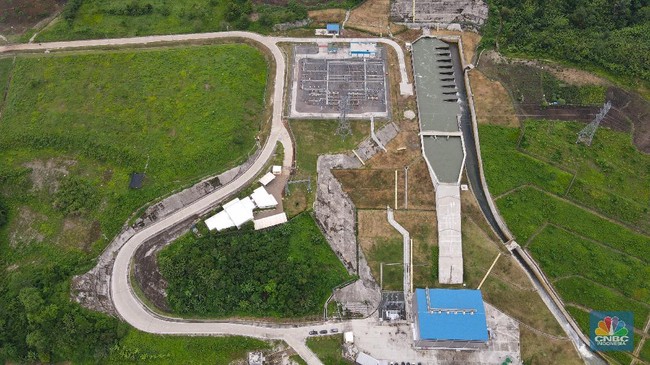
The Meteorology, Climatology, and Geophysics Agency (BMKG) has warned of a potential surge in national electricity consumption as the El Niño phenomenon is expected to persist until early 2027. Hotter weather conditions during the dry season are projected to drive massive use of air conditioning, while simultaneously, hydroelectric power plants (PLTA) face the threat of reduced water discharge.
BMKG Deputy for Climatology, Ardhasena Sopaheluwakan, stated that rainfall forecast information is a crucial factor for hydroelectric plant managers to regulate the use of water reserves during the dry period. “Information regarding rainfall is vital for determining water usage plans in hydroelectric plants. Typically, hot weather triggers a surge in energy consumption, so this climate information is heavily utilised to determine anticipatory measures,” Ardhasena said during a press conference on Friday.
The rise in air temperature during the dry season will increase peak electricity loads due to higher public use of cooling devices. At the same time, the ability of hydroelectric plants to generate electricity could potentially decrease if reservoir and lake water levels continue to drop.
BMKG has requested that the Ministry of Energy and Mineral Resources (ESDM), PT PLN (Persero), and dam managers use updated climate information as a basis for regulating turbine operations and water allocation to ensure the electricity supply remains stable throughout the dry season. “Precise water allocation management is considered the key to ensuring that electricity supply from hydroelectric plants remains stable through the peak dry period,” he added.
Early anticipatory measures will help maintain the reliability of the national electricity system despite the pressure of heat caused by El Niño. Furthermore, BMKG has updated its projections for the El Niño phenomenon, which is expected to persist until the first quarter of 2027, with the possibility of developing beyond the ‘strong’ category. According to BMKG analysis, the El Niño index is projected to peak between December 2026 and January 2027, necessitating continued vigilance regarding its impact on the national climate.
Monitoring through the final ten-day period of July 2026 shows the dry season is strengthening. BMKG noted that 509 Seasonal Zones, or approximately 54.5% of Indonesia’s territory, have entered the dry season, while only 77 Seasonal Zones remain in the rainy season. Regions south of the equator, including Java, Bali, Nusa Tenggara, parts of East Kalimantan, most of Sulawesi, Maluku, and parts of Papua, are now dominated by dry conditions, with varying numbers of ‘Days Without Rain’ ranging from 21 to over 60 days. “This condition aligns with Indonesia’s climatological patterns, where the dry season generally begins in East Nusa Tenggara and gradually moves westward,” said Ardhasena.