
BMKG Declares Drought Warning Status for Ciayumajakuning Until 31 August 2026
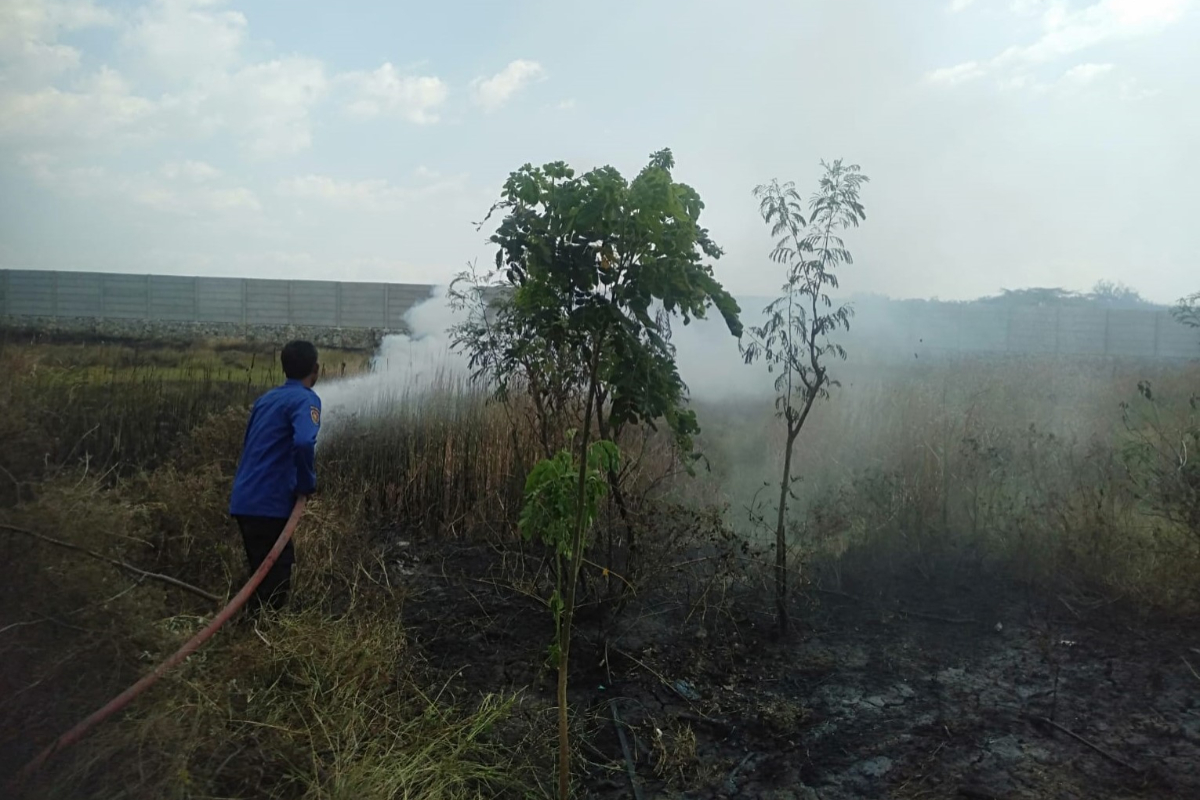
The Meteorology, Climatology and Geophysics Agency (BMKG) has declared a meteorological drought warning status for the Cirebon, Indramayu, Majalengka and Kuningan (Ciayumajakuning) region, effective from 21 to 31 August 2026. The warning was issued by the BMKG Bogor Climatology Station.
According to the Head of the BMKG Kertajati Meteorological Station in Majalengka Regency, Muhammad Syifaul Fuad, the warning status indicates that the Ciayumajakuning region is experiencing serious indications of drought. This condition is attributed to more than 50 consecutive days without rain recorded at the Kertajati and Jatiwangi meteorological stations.
Fuad clarified that the warning does not mean the entire population of Ciayumajakuning will definitely experience a water crisis. Rather, the risk of impacts is already high and anticipatory measures are needed. He emphasised that communities living near forest areas or dry land must pay close attention to this warning, as dry forest and land conditions increase the risk of forest and land fires.
For the agricultural sector, particularly rain-fed rice fields and dryland farming, the risk of water shortages for crops is heightened. Communities dependent on shallow wells, springs or local water sources may see reduced water discharge and availability. Livestock breeders are also advised to anticipate the availability of drinking water for their animals.
Industrial operators requiring water in their production processes should also heed the drought warning. Fuad urged the general public to begin conserving water and to refrain from activities that could trigger land fires.
He further explained that a warning status does not automatically mean extreme drought will occur in all locations across the region. Although meteorological drought reflects a rainfall deficit, its impact on communities can vary. For example, one village may still have sufficient water sources, while another village relying solely on shallow wells may already be experiencing water shortages.
Fuad called on the public to start saving water, secure household and agricultural water needs, and increase vigilance against land fires.