
BMKG Declares Drought Alert for Ten Districts in NTB
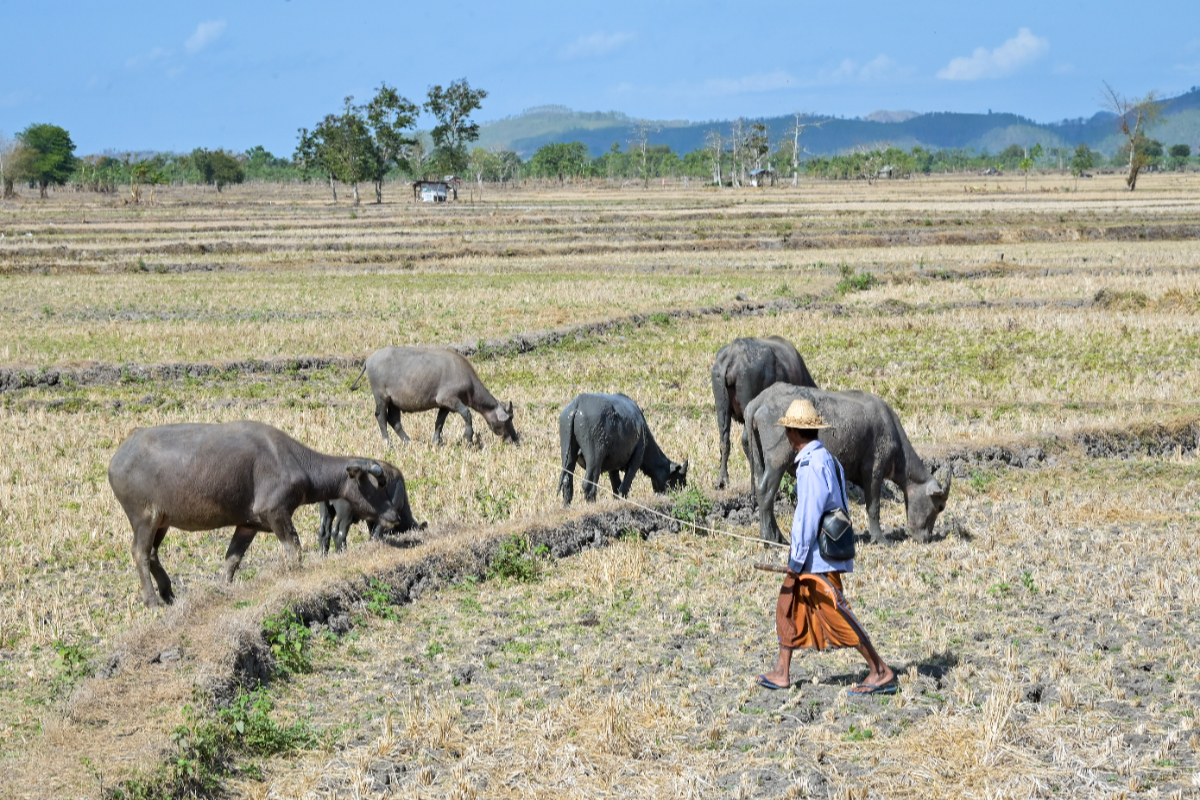
The Meteorology, Climatology and Geophysics Agency (BMKG) is urging residents of West Nusa Tenggara (NTB) to conserve clean water to anticipate the impact of increasingly widespread meteorological drought due to the dry season. “Areas on alert level due to prolonged dry days are expanding. We hope the public will use water wisely to anticipate a water crisis,” said Cakra Mahasurya, a forecaster at the NTB Climatology Station, in Mataram on Sunday. BMKG has declared a meteorological drought alert for ten districts across six regencies: Gerung and Lembar in West Lombok Regency, Praya Barat and Pujut in Central Lombok, Jerowaru in East Lombok, Lenangguar and Moyohulu in Sumbawa, Dompu in Dompu Regency, and Soromandi and Tambora in Bima Regency. Based on rainfall monitoring for the first ten-day period of July 2026, NTB is generally in a low rainfall category, ranging from 0 to 10 millimetres per ten-day period. The highest recorded rainfall was only 5 millimetres per ten-day period at the Lambu Rain Post in Bima Regency. Meanwhile, the number of consecutive dry days varies from very short to very long categories, with the longest dry spell reaching 53 days recorded by the Belo and Bolo Rain Posts in Bima Regency. Cakra revealed that all regions in West Nusa Tenggara have now officially entered the dry season, reinforced by the El Niño phenomenon. Monitoring of the Indian Ocean Dipole currently shows a neutral category with an index of minus 0.36, with a chance of shifting to positive from August to December 2026. Meanwhile, sea surface temperature anomalies in the Nino3.4 region indicate that ENSO is in an El Niño category with an index of +1.69 and is predicted to strengthen from mid-year. “We urge the public not to burn rubbish carelessly or leave fire sources unattended to prevent forest, land, and residential fires,” Cakra said.