
BMKG Confirms Cold Air of 10 Degrees Celsius in NTT is a Normal Phenomenon
Residents of East Nusa Tenggara (NTT) have begun to feel colder air temperatures in recent weeks as the dry season sets in. The Meteorology, Climatology, and Geophysics Agency (BMKG) has confirmed that this condition is a normal seasonal phenomenon that occurs almost every year.
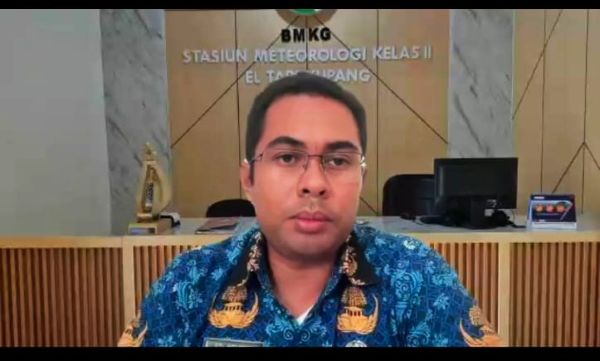
The head of the El Tari Kupang Class I Meteorological Station, Sti Nenote’k, stated in Kupang on Friday (12/6) that the cold air felt by the public, known locally as ‘bediding’, is influenced by several meteorological factors common during the dry season. ‘The cold air occurring in NTT at present is a normal seasonal phenomenon. This condition is influenced by the arrival of the Australian Monsoon wind, the apparent position of the sun, clearer skies with minimal cloud cover, and the altitude of the region,’ Sti said.
According to Sti, during the period from June to September, Australia experiences winter, causing cold and dry air masses to move towards Indonesian territory via the East Monsoon wind. NTT is one of the first regions to feel the impact of this air mass flow. Additionally, the apparent position of the sun in the Northern Hemisphere means southern regions, including NTT, receive less solar radiation compared to previous months. During the day, the weather generally remains hot because sunlight directly reaches the earth’s surface. However, at night until dawn, the heat stored in the earth’s surface is released into the atmosphere more quickly due to the lack of cloud cover. ‘As a result, air temperatures at night until dawn can drop quite significantly, making people feel colder air,’ he explained.
Sti noted that cold air conditions are usually more pronounced in highland areas. One example is Ruteng in Manggarai Regency, which sits at an altitude of more than 1,000 metres above sea level, where air temperatures during the peak of the dry season can drop to below 10 degrees Celsius.
The BMKG also corrected information that often circulates among the public claiming the aphelion phenomenon is the main cause of the cold air. According to Sti, the aphelion does not have a significant influence on daily weather conditions. ‘The cold air occurring now is more due to seasonal meteorological factors, especially the Australian Monsoon, clear sky conditions, the sun’s position, and regional altitude,’ he said.
Although it is a normal phenomenon, Sti urged the public to maintain their health during the cold air period, especially children, the elderly, and other vulnerable groups. Residents are also advised to wear warm clothing and meet their body’s fluid needs. The BMKG estimates that the cold air conditions will continue to be felt by NTT residents throughout the dry season, particularly at night until morning.