
BMKG: 25 Provinces Experience Over 60 Days Without Rain, Bantul Longest Duration
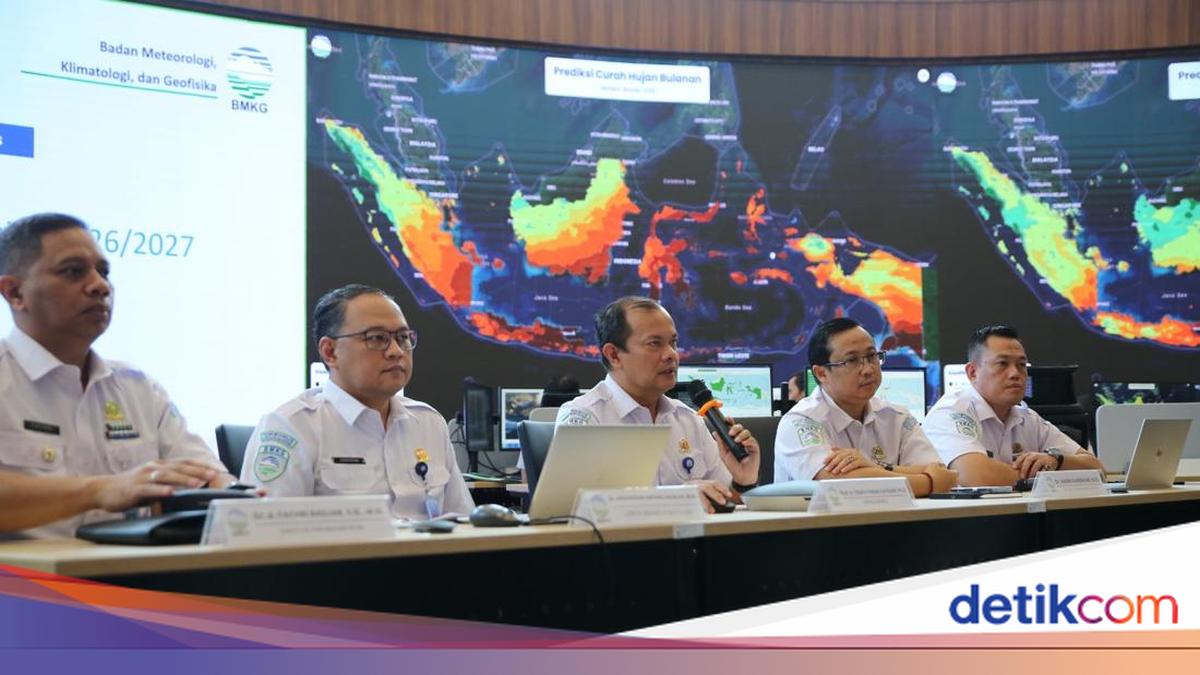
The Agency for Meteorology, Climatology, and Geophysics (BMKG) has stated that the impact of the 2026 El Niño phenomenon is expanding, worsening drought conditions across Indonesia. It has been recorded that 25 provinces in the country are currently experiencing consecutive rainless days (HTH) for more than 60 days.
BMKG Deputy for Climatology, Ardhasena Sopaheluwakan, noted that the region experiencing the most extreme period of no rainfall and drought is currently Bantul, in the Special Region of Yogyakarta (DIY).
“Many observation locations have reported consecutive rainless days of more than 60 days, spread across 25 provinces, with the longest period currently in the Bantul region, lasting 131 days or more than 4 months,” said Ardhasena during a press conference at the BMKG Central office on Tuesday (22/09/2026).
Ardhasena explained that the intensity of El Niño this year is classified as strong. Sea surface temperature anomaly data in the Pacific Ocean as of late August reached 2.83, with a quarterly average (July-August-September) at 2.63.
Historically, he continued, El Niño always extends and exacerbates the dry season in Indonesia, particularly in regions south of the Equator. This phenomenon is predicted to persist until early next year.
“For the current period, it will persist at least until the end of the first quarter of 2027. However, the impact on drought in Indonesia will conclude once we enter the rainy season,” he explained.
Ardhasena further noted that this year’s climate anomaly has even created anomalies within Indonesia’s climate zones. Regions that are naturally accustomed to rainfall throughout the year are now also being affected by the dry season.
“Climatologically, Indonesia has 110 seasonal zones, where 33% of the land area has a climate characteristic of year-round rainfall,” he clarified.
“However, for 2026, 98 of those seasonal zones are experiencing a dry season due to the impact of lower rainfall anomalies caused by El Niño, while the other 12 seasonal zones remain consistent with their climatological patterns,” Ardhasena concluded.