
BLU MCB Committed to Managing Healthier Museum Environments
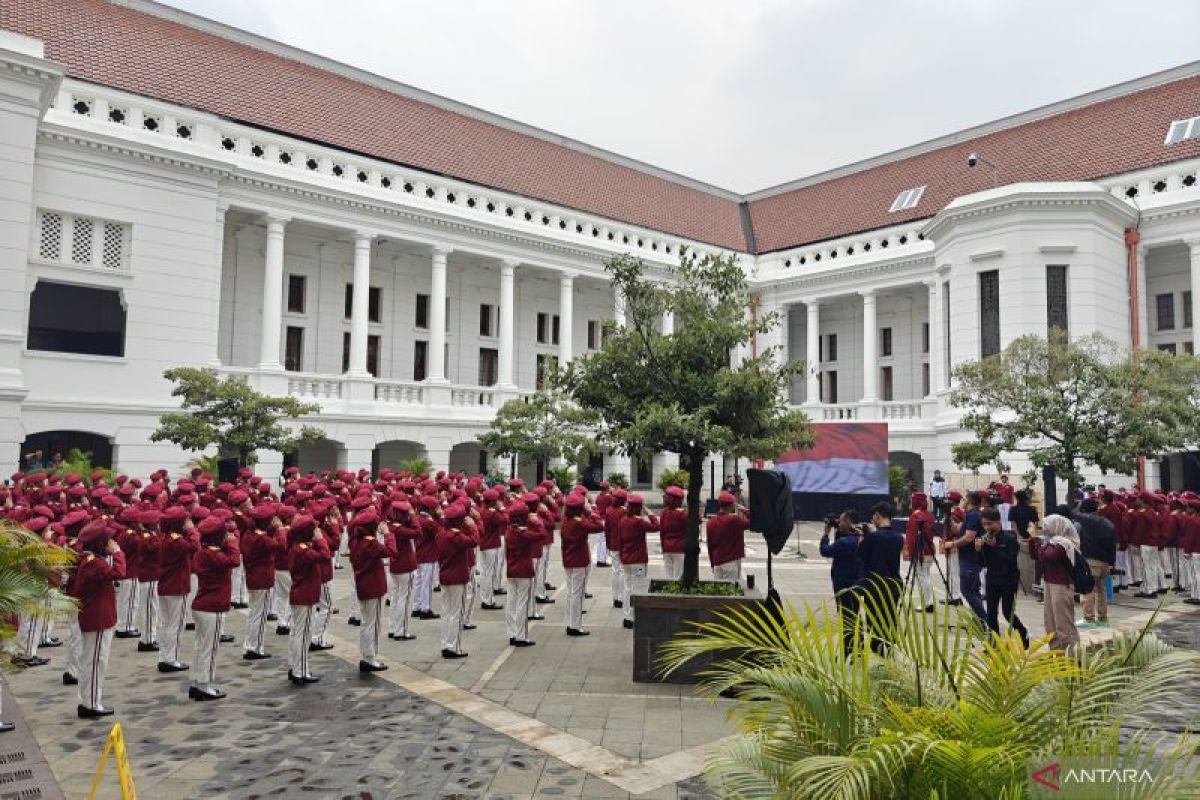
Jakarta (ANTARA) - The Museum and Cultural Heritage Public Service Agency (BLU MCB) is committed to managing a healthier museum environment by conducting socialisation and training on the enforcement of No-Smoking Zones (KTR) for museum managers. This activity was organised to strengthen the capacity of museum administrators to realise a healthier, more comfortable, and sustainable museum environment.
“We hope that what is presented in this activity can serve as a common reference in building a No-Smoking Zone culture in museums and cultural heritage sites, so that its implementation does not stop as an administrative rule, but truly becomes part of sustainable museum management and a consistent effort to provide healthy, safe, high-quality, and modern public spaces for the community,” said the Head of Museums and Cultural Heritage, Indira Estiyanti Nurjadin, in an official statement received in Jakarta on Tuesday.
The activity involved managers from several museums under the auspices of BLU MCB, including the Indonesian Batik Museum, the Presidential Museum Balai Kirti, and the National Awakening Museum, as well as museums under the management of the Jakarta Cultural Preservation Centre, namely the Youth Pledge Museum, the Proclamation Manuscript Museum, and the Basoeki Abdullah Museum.
The implementation of No-Smoking Zones in museums and cultural heritage sites is supported by legal frameworks, including Law Number 17 of 2023 concerning Health, Government Regulation Number 28 of 2024 regarding the Implementation Regulations of Law Number 17 of 2023 concerning Health, as well as more than 490 Regional Regulations regarding No-Smoking Zones across Indonesia.
Consistent implementation of No-Smoking Zones also supports the global sustainable development agenda, ranging from protecting public health and creating safe and comfortable public spaces to reducing pollution from cigarette waste, aligning with the sustainable tourism development direction promoted by the United Nations World Tourism Organization (UNWTO).
The implementation of No-Smoking Zones at cultural heritage sites in Indonesia has been ongoing for over a decade, beginning when Borobudur Temple was designated as the first smoke-free site in 201 $ ext{2}$. Subsequently, the Directorate General of Culture, then under the Ministry of Education and Culture, designated all cultural heritage areas as No-Smoking Zones in 2019. Currently, 76 cultural heritage sites managed by various government agencies have established No-Smoking Zone regulations.
The training for No-Smoking Zone enforcement was held by BLU MCB in collaboration with the Indonesian Health Policy Space (RUKKI). The Chairman of RUKKI, Mouhammad Bigwanto, stated that museums are spaces visited by children and families, thus requiring protection from exposure to cigarette smoke.