
Blood Glucose Monitoring Technology, LinX CGM, Released
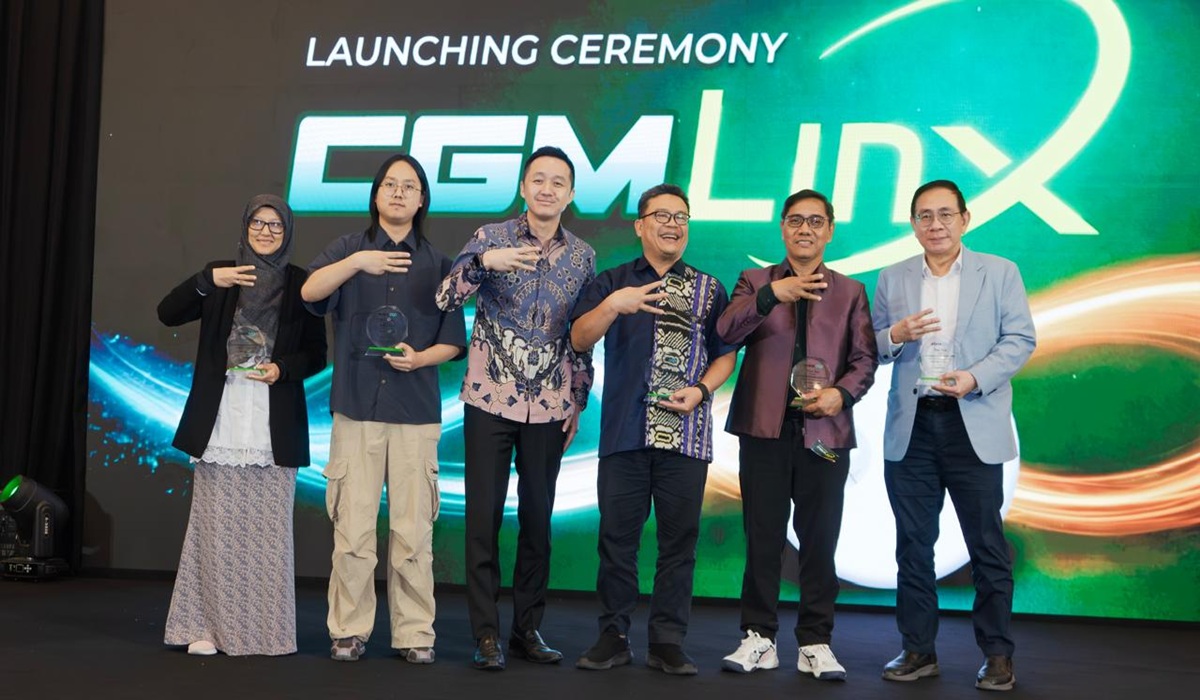
PT Etana Biotechnologies Indonesia (Etana), in collaboration with MicroTech Medical, has officially launched the LinX Continuous Glucose Monitoring System (CGM) in Indonesia. The launch of this innovative technology took place at Le Meridien Jakarta on Sunday (23/8) and received full support from the Indonesian Society of Endocrinology (PERKENI).
The introduction of LinX CGM is expected to provide a solution to the challenges of diabetes management in the country. Unlike conventional devices, LinX provides continuous glucose readings. This allows doctors and patients to observe glucose change patterns and ‘time in range’ in real-time, rather than merely seeing a single numerical value at a specific point in time.
The President Director of Etana, Nathan Tirtana, emphasised that the company’s focus is not only on innovation but also on ensuring ease of access for patients. “Our challenge is to ensure that this innovation can be accessed by more patients through sustainable availability and comprehensive service support,” he stated.
In line with this, the Asia Pacific Sales Manager of MicroTech Medical, Frank Zhao, stated that Indonesia represents a strategic market and a primary foothold in Southeast Asia. His company is committed to establishing long-term cooperation with PERKENI and Etana through patient education and the development of local services.
The Chairman of PERKENI, Prof. Dr. dr. Em Yunir, Sp.PD, K-EMD, expressed appreciation for the launch. According to him, CGM technology provides medical professionals with the opportunity to obtain more comprehensive glucose profiles to support more accurate clinical decision-making.
For Etana, the launch of LinX is part of a larger agenda regarding metabolic diseases. The company is committed to strengthening local production to reduce dependence on imported products. This step is expected to expand the reach of therapy for all diabetes patients in Indonesia, while simultaneously improving the quality of national healthcare services.