
Blok M Recommended as Pilot for Jakarta's Low Emission Zone
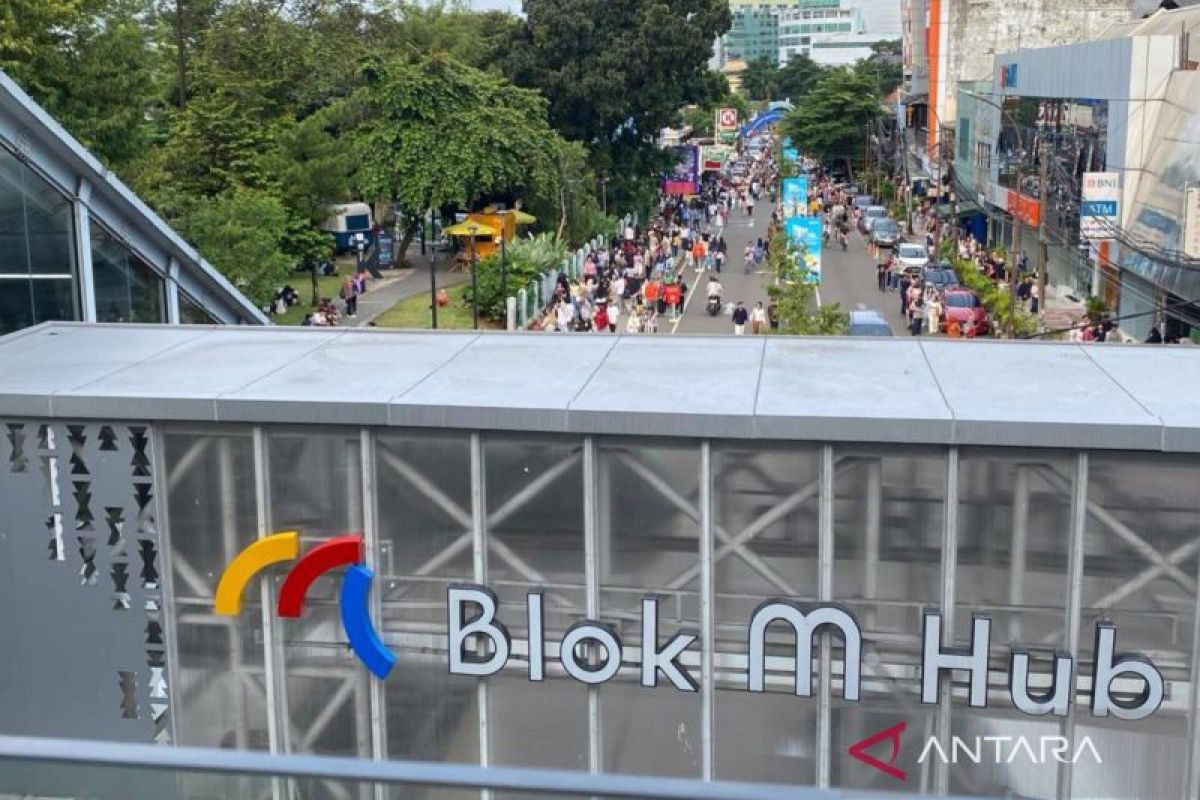
The Blok M area in South Jakarta has been recommended as the first pilot location for implementing a low emission zone in the capital. This was revealed in a report titled ‘Jakarta Integrated Low Emission Zone: From Ambition to Action’, which was submitted by Breathe Cities to the DKI Jakarta Provincial Government. Head of the DKI Jakarta Environment Agency, Dudi Gardesi, stated that the report is part of strengthening cooperation to achieve cleaner air and a healthier urban environment. According to him, Blok M possesses strong public transport connectivity, dynamic economic activation, and diverse mixed-use area functions. ‘With these characteristics, Blok M can serve as an initial location to test various integrated interventions before they are implemented more widely across Jakarta,’ Dudi said. Besides Blok M, other areas recommended as primary pilots include Kota Tua, GBK–Senayan, Medan Merdeka, and Dukuh Atas. Dudi explained that the implementation of the low emission zone will take place in stages during the 2026–2029 period, using an adaptive, data-based approach that considers community readiness and the supporting ecosystem in each area. He estimated that improved air quality could generate health and welfare benefits of around Rp1.9 trillion per year. These benefits stem from reduced healthcare costs, lower exposure to harmful air pollution, and a decreased risk of premature death due to air pollution. Dudi stressed that the low emission zone is not merely a vehicle restriction policy. The success of this programme depends heavily on the availability of reliable, comfortable, affordable, and easily accessible mobility alternatives for the public. According to him, this approach reflects the DKI Jakarta Provincial Government’s commitment to providing a balanced solution, namely reducing pollution, protecting citizens’ health, while ensuring the public has better mobility choices. ‘Therefore, strengthening public transport, intermodal integration, improving pedestrian facilities, and open public communication are important parts of the implementation process,’ he said. He added that the DKI Provincial Government also places community involvement as a main element so that the policy can be understood, accepted, and implemented together.