
Blok M Once Desolate Like a Graveyard, Now Suddenly Crowded: Here is the Secret
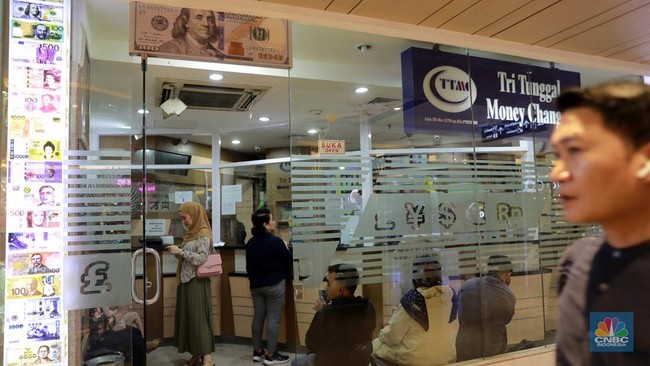
The Blok M area in South Jakarta has become a major hub supported by public transport activities and urban development. However, this condition is vastly different from several years ago.
R. Samuel Ryan Pradipta Pranowo, Division Head of Business Planning and Expansion at MRT Jakarta, revealed that the number of visitors to the Blok M area was previously only around 400 people per day.
“In the past, if we looked at Blok M, it was only 400 people per day,” Samuel said in Jakarta.
That figure has since increased significantly following area development through the concept of placemaking and the optimisation of public transport connectivity. Currently, the number of visitors to Blok M can reach approximately 40,000 people on weekdays. Meanwhile, on weekends, the number can reach 60,000 to 70,000 people per day even without any special events.
“Now, weekdays can reach 40,000, and weekends can reach 60,000 to 70,000. If there is an event, it can reach 80,000 to 90,000,” he added.
This surge in visitors indicates a change in the area’s function, which is no longer merely a transit point. The areas around stations and MRT activity centres are being developed so that the public also comes to engage in activities, socialise, shop, and enjoy public spaces.
“So, what we are actually doing is how to transform a place that was previously just for transit into a destination,” he said.
The area’s development also involves communities and business owners who were already established in the area. This is done to ensure that the transformation does not erase the existing identity and ecosystem.
The increase in visitors serves as an indicator that transit-oriented development can create a broader economic effect.
“Because when people come to one place, they do not just take the MRT, but they will eat, drink, shop, and engage in other activities,” he concluded.