
Blackout phenomenon, a momentum to strengthen energy governance
Electricity that goes out can be switched back on. Maintaining public trust, however, requires longer work through fair law enforcement, institutions that continuously improve themselves, and governance that is willing to learn.
Jakarta (ANTARA) — A large-scale power outage or blackout should not merely end as a note of technical disruption.
In an economy increasingly dependent on energy, a major disruption to the electricity system leaves behind material for evaluation. Energy reliability, corporate governance, the quality of oversight, and the protection of public interests are all matters that need to be examined clearly.
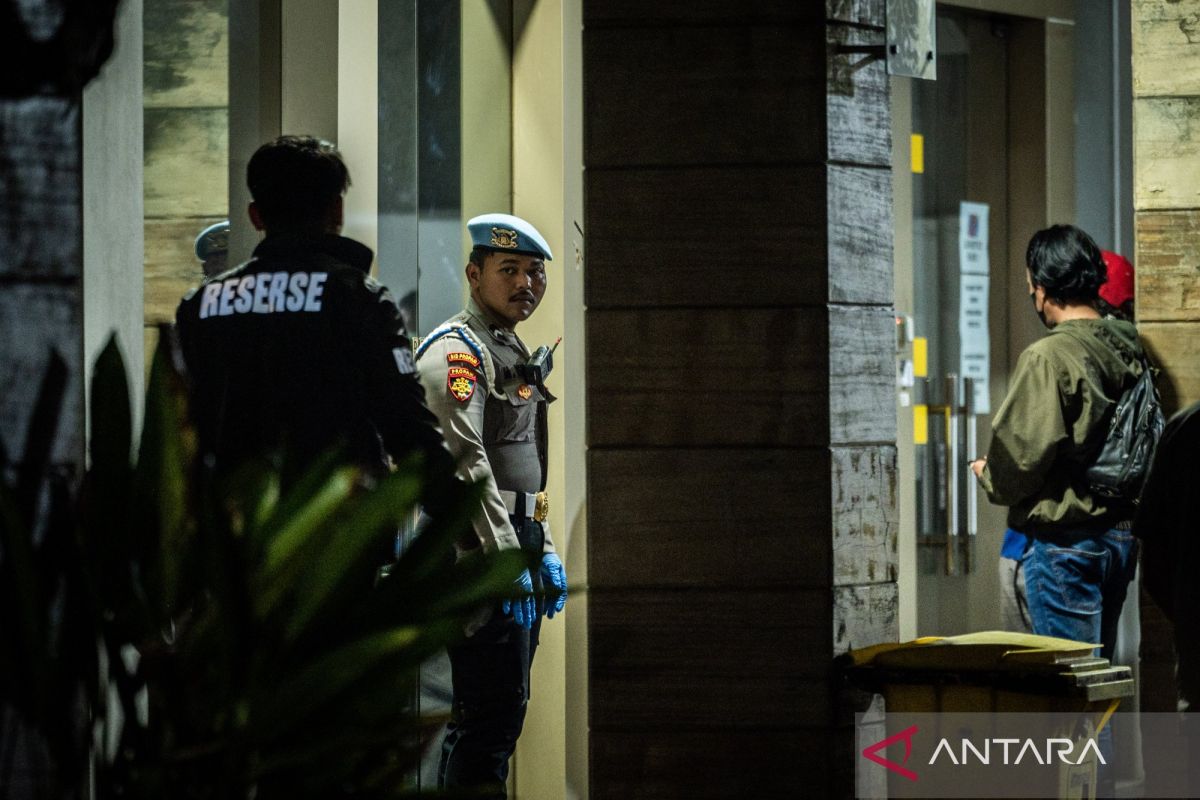
On that basis, the move by law enforcement to investigate alleged corruption related to coal supply fulfilment, which is suspected to have contributed to the blackouts in Sumatra and several parts of Indonesia, deserves support.
Of course, the relationship between suspected irregularities in coal supply and the disruption to the electricity system must be proven based on facts, technical data, and due legal process. An investigation is precisely what is needed to shed light on the matter.
Nor should the inquiry be seen as an attempt to weaken a strategic state institution. Professional law enforcement can serve as a way to protect the institution from the actions of parties who stand to harm the state and the public.
PLN occupies a vital position in Indonesia’s economic life. Electricity powers industry, hospitals, schools, commercial centres, digital services, millions of micro-enterprises, and households.
Such a great responsibility means every problem along the energy supply chain deserves careful scrutiny. The ultimate goal remains the same: safeguarding public services and strengthening the reliability of the electricity system.
From a criminal law perspective, this case offers a lesson about the character of offences in strategic sectors. Their impact can extend far beyond the value of the transactions in dispute.
A single decision within the supply chain, if proven to have arisen from unlawful conduct, can have consequences for services used by millions of people.
In criminal law policy, the magnitude of the impact on the public interest must be taken into account when the state determines how seriously a case is handled. The law cannot merely look at the potential loss of state funds; there are also the interests of society that must be protected.
It is from this standpoint that the move by the Indonesian National Police’s Corruption and Other Specific Crimes Task Force (Kortastipidkor Polri) to investigate the case thoroughly carries significance. A professional, transparent, fair, and independent investigation is needed to obtain a clear picture of what actually happened.
Legal certainty is needed by the public. That same certainty is equally important for the institution and for the people working professionally within it.
An evidence-based legal process allows accountability to be placed on the appropriate party. This approach, at the same time, prevents the generalisation of an entire institution because of the alleged acts of particular individuals.
Source: jawawa.id (https://jawawa.id/newsitem/blackout-phenomenon-a-momentum-to-strengthen-energy-governance-1783666466)
Originally published by Antara (Indonesian) (https://www.antaranews.com/berita/5643759/fenomena-pemadaman-listrik-momentum-perkuat-tata-kelola-energi), translated from Indonesian