
Black Waste Pollution in River Goes Viral, Cemagi TPS3R Reprimanded by DLHK Enforcement Officers
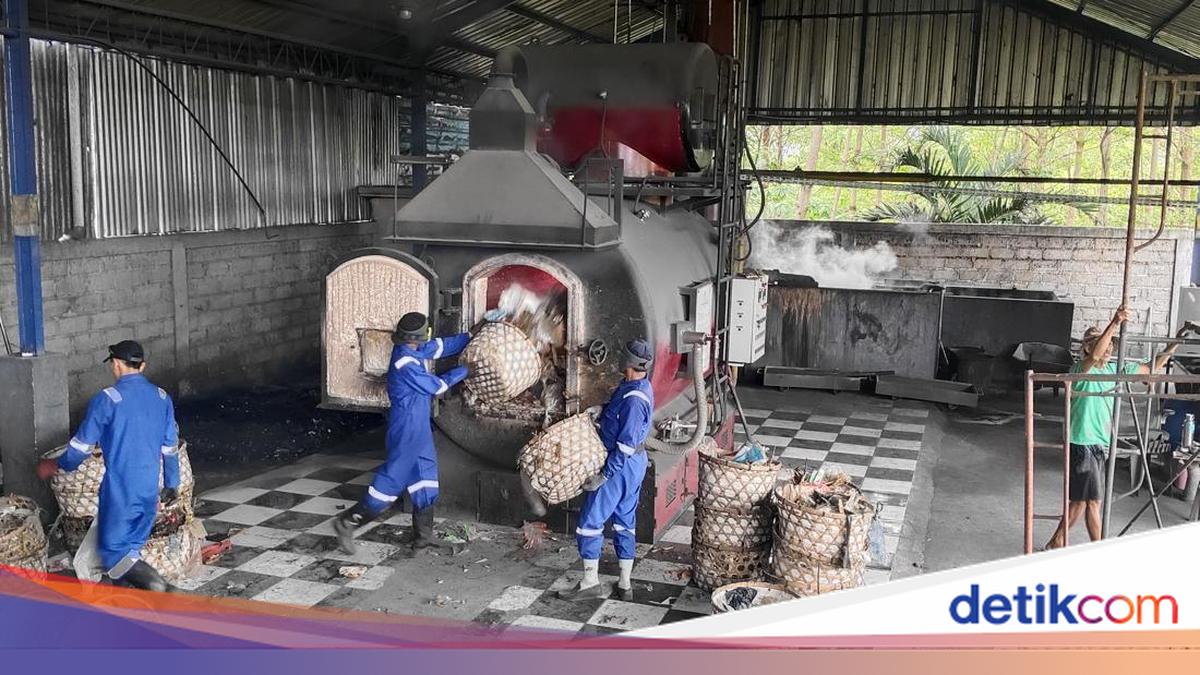
Pollution in the form of black liquid waste and plumes of thick smoke from the Sarwa Metu Wangi TPS3R in Cemagi Village, Mengwi, Badung, went viral on social media after being recorded by a member of the public. The case immediately prompted an inspection by the Environment and Hygiene Law Enforcement Division (Gakkum DLHK) of Badung Regency.
In the circulating video, the recorder showed that the water of the Tukad Penet river had turned pitch black in the border area between Cemagi Village in Badung and Tabanan. A site investigation revealed traces of black water flowing out from between rocks upstream, originating directly from the TPS3R facility.
Beyond the liquid waste issue, the recorder also captured thick smoke rising from the chimney of the waste processing facility’s incinerator installation. The findings of water and air pollution subsequently drew scrutiny to the operation of the TPS3R in Cemagi.
The Operational Manager of the Sarwa Metu Wangi TPS3R, Made Rai Sutrisna, confirmed that the facility uses an incinerator for waste processing. According to him, the black smoke was triggered by the initial combustion temperature not yet reaching optimal levels when waste was being loaded.
“As for what appeared on social media, we do indeed process waste at our TPS using an incinerator, and when waste is first loaded, the temperature has not yet formed, so black smoke arose,” said Sutrisna on Tuesday (8/9/2026).
The dense plume of smoke reportedly lasted only about two minutes during the initial waste-stirring process before the wet scrubber system began operating optimally. He also acknowledged that the black water traces entering the river came from washing the floor of the work area after routine incinerator maintenance.
“Light ash residue from combustion was carried by the wind and fell on the floor, then was washed away by water during cleaning of the toilet and kitchen areas, until it overflowed into the rice field drainage channel,” said Sutrisna.
The washing water overflow followed the old rice field irrigation network, which ends at the river mouth near the TPS3R site. The operator assured that the incident was unintentional, resulting from periodic cleaning activities.
“We carry out routine maintenance every two weeks on Mondays in the second and fourth weeks, including cleaning the floor area,” he said.
In follow-up to the field findings, the Badung Gakkum DLHK team visited the site and imposed sanctions in the form of a written reprimand along with several technical recommendations. The operator was asked to build a dedicated liquid waste treatment system to prevent similar incidents from recurring.
“The Gakkum officers advised us to build a waste treatment holding tank, or to cooperate with a licensed liquid waste treatment service provider,” said Made Rai.
He acknowledged that the use of an incinerator had been a last-resort option, as the Cemagi TPS3R must process up to 18 tonnes of waste per day amid the issue of the landfill’s closure. The operator stated it remains open to input from the community and environmental activists to improve its operational system going forward.
“We are ready to make improvements and coordinate with the DLHK and Gakkum so that waste management in this area remains in accordance with regulations,” he affirmed.
To realise these improvements, the operator is now exploring cooperation options with third parties holding official permits for liquid waste treatment, whilst preparing the construction of an internal holding facility. This step was taken following guidance from the Badung DLHK.
Source: jawawa.id (https://jawawa.id/newsitem/black-waste-pollution-in-river-goes-viral-cemagi-tps3r-reprimanded-by-dlhk-enforcement-officers-1788861146)
Originally published by detikBali (https://www.detik.com/bali/berita/d-8653945/viral-limbah-hitam-cemari-sungai-tps3r-cemagi-ditegur-gakkum-dlhk), translated from Indonesian