
Black Market for Corruption Information in China: Leaks of Purges Rife on Social Media
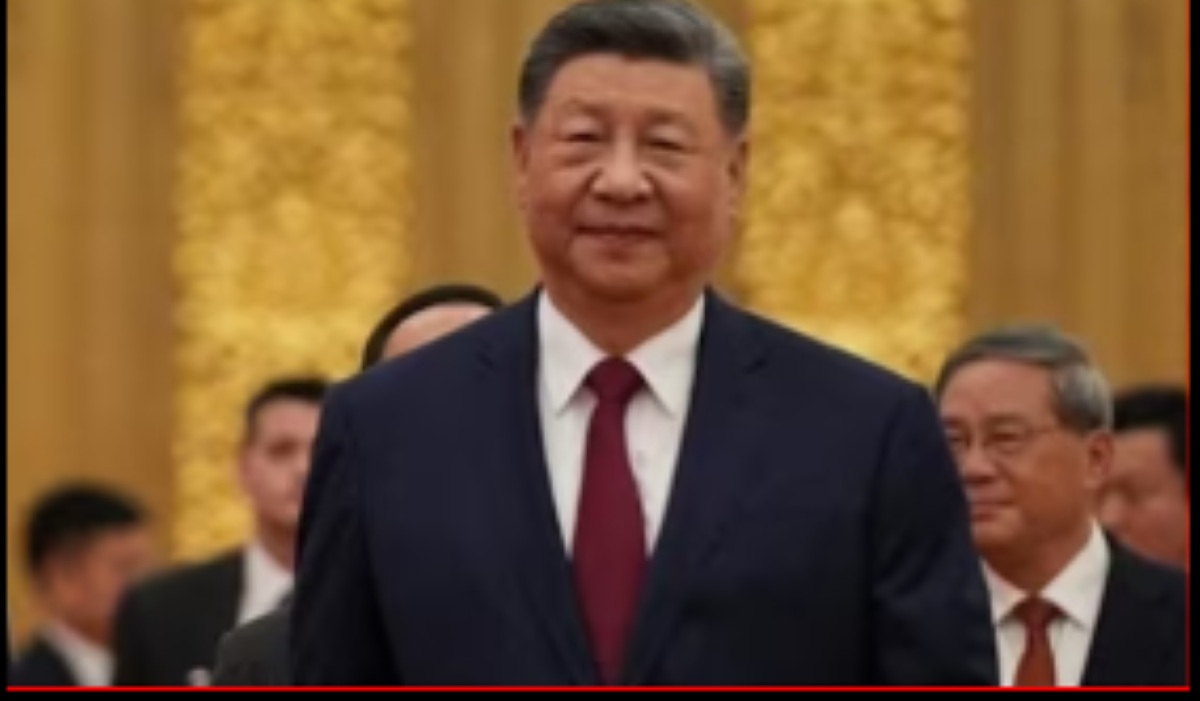
Secrets behind Chinese leader Xi Jinping’s disciplinary purge campaign continue to surface online. The phenomenon challenges the crackdown that has ensnared millions of people while highlighting how deeply rooted corruption and disloyalty are within the Communist Party.
With tens of thousands of officials detained each year, a black market for corruption gossip has emerged on Chinese social media. Mysterious accounts provide hints about who will be the next target of the purge in exchange for subscription fees and clicks, according to state media reports.
This leaked information is highly valuable because it can help suspects destroy evidence or flee. On the other hand, outsiders can use it to make timely stock trades—China’s version of concerns in the US about political insiders profiting from prediction markets.
Banyuetan magazine, published by the official Xinhua news agency, reported that a hidden illegal supply chain exists. A small number of officials leak information that is then resold through online groups at prices ranging from tens to hundreds of yuan (around Rp200,000 to Rp2.6 million).
Some social media accounts predict the downfall of government officials using methods such as posting their resumes or using homophones and coded language to disguise the identity of suspects in order to evade confidentiality rules.
The opacity of China’s political system makes information about ongoing investigations an expensive commodity. Investors can short-sell stocks that are likely to be affected by the purge of certain officials.
For example, China Merchants Bank’s share price plunged in 2022 after the party announced an investigation into the bank’s former president, Tian Huiyu. A 2021 academic study also showed that corruption investigations significantly increase the risk of share price collapse for companies linked to officials under investigation.
The Chinese Communist Party continues to hunt for ‘moles’ or informants within its own disciplinary enforcement ranks. In 2023, the party imposed formal sanctions on more than 7,800 discipline inspectors, the highest annual number under Xi’s leadership.
Despite a 2019 restructuring aimed at preventing abuse of authority, Beijing continues to complain about individuals selling investigation secrets for personal gain. However, Xi remains opposed to greater transparency or stronger checks and balances, viewing them as potentially undermining authoritarian control.
Leaks often appear in highly subtle forms. Accounts such as Yanglan Lake Insider on WeChat or Brother Zihao on Douyin frequently post photos and resumes of officials days before official investigation announcements are made.
In one case, a bureaucrat in Guiyang was found to have worked with six relatives to operate nine WeChat accounts that published hints about upcoming promotions and purges of officials.
The party’s efforts to plug these leaks have become a cat-and-mouse game. Authorities often lack the legal basis to take action against those who merely post publicly available resumes of officials, while account operators quickly move to other platforms if their accounts are shut down.
Source: jawawa.id (https://jawawa.id/newsitem/black-market-for-corruption-information-in-china-leaks-of-purges-rife-on-social-media-1786452703)
Originally published by Media Indonesia (https://mediaindonesia.com/internasional/920618/pasar-gelap-informasi-korupsi-tiongkok-bocoran-pembersihan-marak-di-media-sosial), translated from Indonesian