
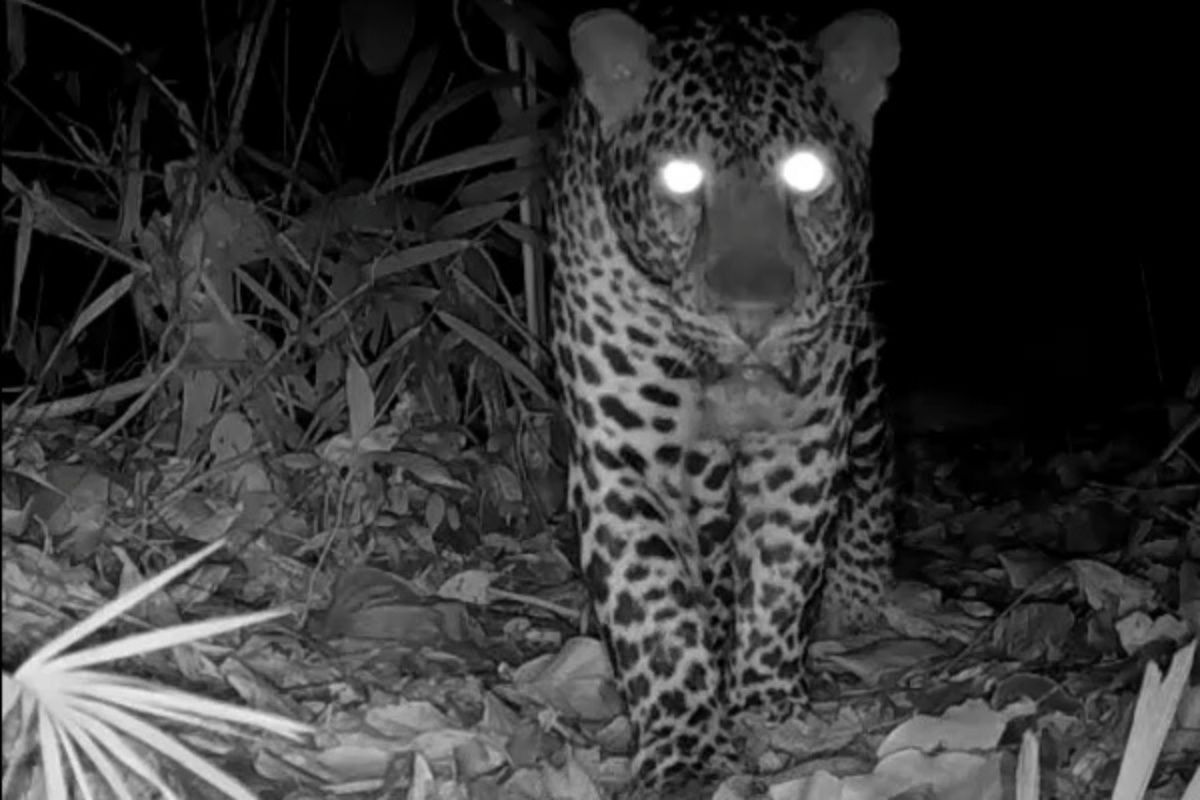
BKSDA: Javan Leopard Caught on Camera in West Nusakambangan
The presence of these various wildlife species highlights the importance of protecting habitats in the Nusakambangan conservation area.
Cilacap (ANTARA) – A Javan leopard (Panthera pardus melas) was recorded by a camera trap in the West Nusakambangan Nature Reserve, Cilacap Regency, during brief monitoring conducted by the Central Java Natural Resources Conservation Agency (BKSDA) from 12 to 15 October.
Wahyono Restanto, head of the Cilacap Natural Resources Conservation Resort, said in Cilacap on Tuesday that the footage came from monitoring in the conservation area and could not be used to determine the Javan leopard population across the whole of Nusakambangan Island.
“The monitoring only lasted a short time. The camera trap captured one individual, probably on Tuesday night (13 October) or in the early hours of Wednesday (14 October),” he said.
He said the latest research estimated that there were around 20 Javan leopards on Nusakambangan Island.
According to him, that figure was based on observations in specific areas and did not represent a comprehensive population survey across the entire island.
Camera-trap monitoring of wildlife also allows officers to record other species living in the area, including mouse-deer, deer, porcupines and monitor lizards.
Other protected and rarely seen species, such as the binturong (Arctictis binturong), leopard cat (Prionailurus bengalensis) and Javan hawk-eagle (Nisaetus bartelsi), have also been recorded during monitoring activities on Nusakambangan.
Regarding construction projects at several sites on the island, he said these activities had the potential to affect wildlife and their habitats.
However, his agency had not yet carried out a detailed study to determine the scale of their impact on wildlife presence or movement.
He urged members of the public, prison staff and workers on Nusakambangan not to disturb, capture or hunt any wildlife they encounter.
“If you see a Javan leopard, remain calm, do not approach it or provoke it to move, and retreat slowly to avoid conflict between people and wildlife,” Wahyono said.