
BKPM's Response to the Chinese Chamber of Commerce's Complaint Letter to Prabowo - Economy Business
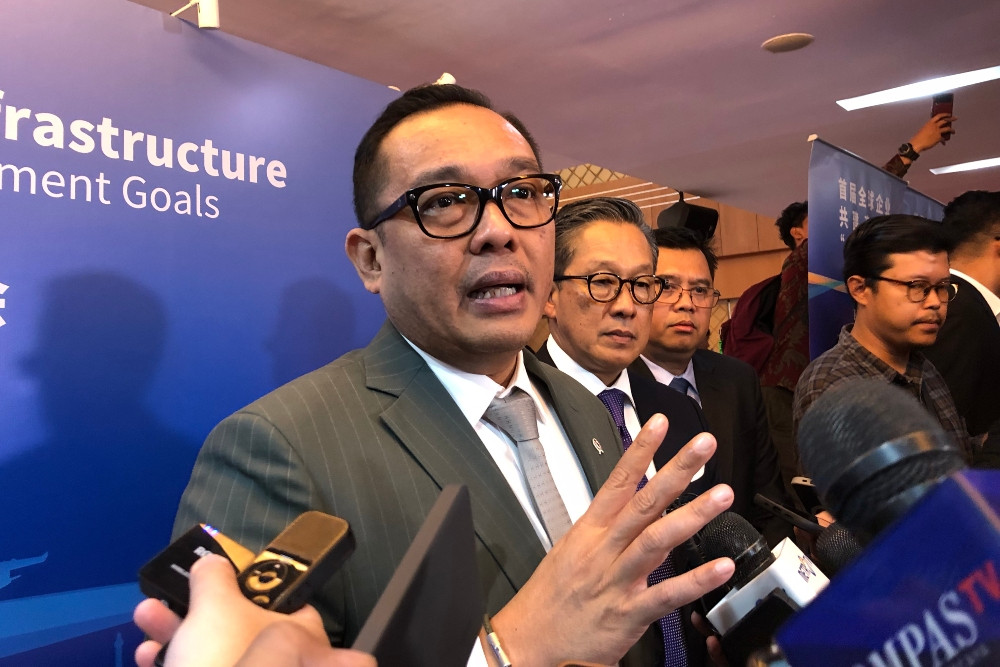
Bisnis.com, JAKARTA — The Ministry of Investment and Downstreaming/Badkoordinasi Penanaman Modal (BKPM) views the complaint letter from the Chinese Chamber of Commerce in Indonesia to President Prabowo Subianto regarding the investment climate as reasonable input amid the investment challenges faced by foreign businesses in the country. Deputy Minister of Investment and Downstreaming/Deputy Head of BKPM Todotua Pasaribu stated that the government regards input from investors as a positive step for improving the national business climate. “That’s quite normal,” he said at the BKPM office on Wednesday (13/5/2026). According to him, the letter must be responded to positively as it provides notes on the challenges faced by Indonesia. Moreover, the Chinese Chamber of Commerce offers input on those challenges. “They see that there are notes on the conditions that pose challenges in this country and provide input to the government. We consider that something positive,” he explained. Nevertheless, Todotua declined to comment further when asked whether the letter has the potential to influence investors’ perceptions of Indonesia’s investment climate. Previously, the Chinese Chamber of Commerce in Indonesia sent a letter to President Prabowo containing complaints about various policies and law enforcement practices deemed burdensome to companies from the Land of the Panda. In the letter, Chinese entrepreneurs claimed to face overly strict policies, excessive law enforcement, and alleged extortion by rogue officials. The chamber stated that these conditions have disrupted business operations and damaged long-term investment confidence among Chinese companies in Indonesia. There are six main issues highlighted by Chinese entrepreneurs in the letter. These range from increases in mineral taxes and royalties, foreign exchange retention policies for natural resource export proceeds, cuts to nickel ore production quotas, tightened forestry law enforcement, suspension of strategic projects, to stricter work visa oversight. Complaints were also directed at the rise in benchmark prices for nickel ore minerals and revisions to mineral pricing policies, deemed to trigger production cost surges of up to 200%. Chinese entrepreneurs stated that this situation risks disrupting investments, exports, and the sustainability of jobs in the national nickel industry chain. In the letter, the Chinese investors still expressed optimism about Indonesia’s economic prospects. However, they requested that the government maintain policy stability, clarify law enforcement standards, and improve communication mechanisms between the government and business actors.