
BKPM strengthens EV-biofuel value chain for low-carbon downstreaming
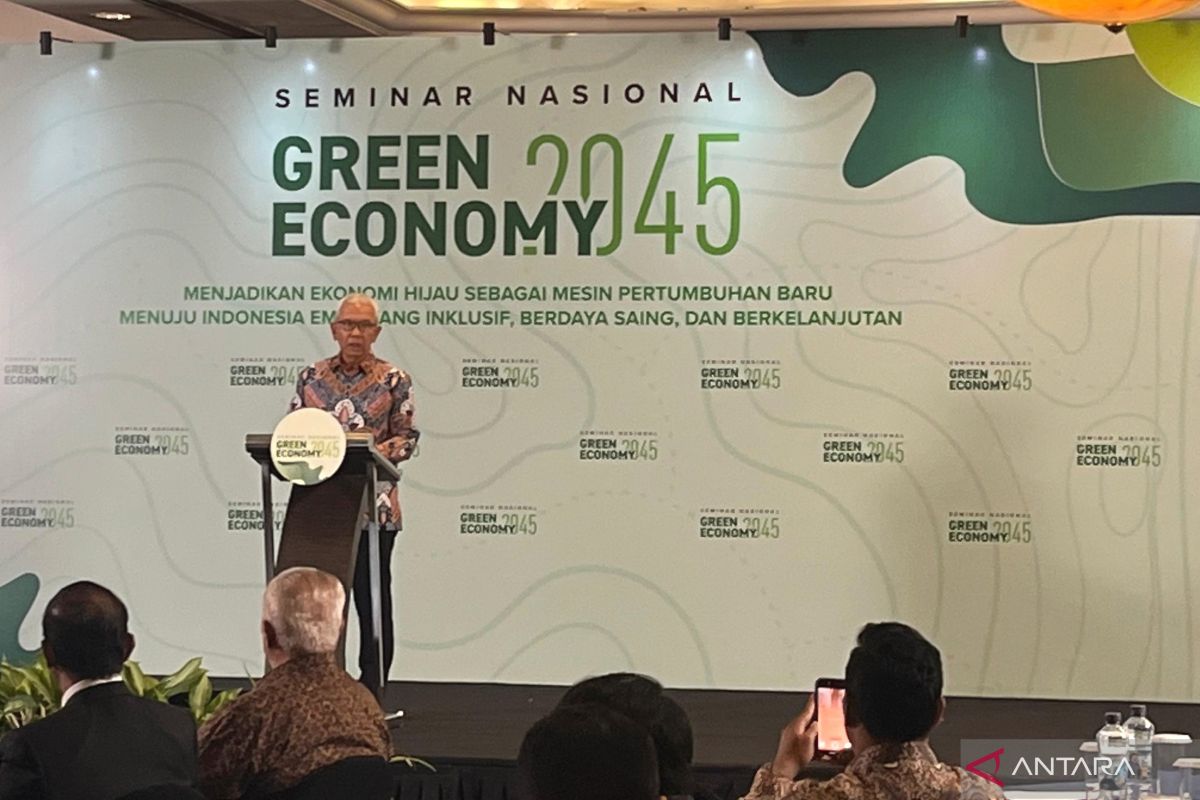
The Ministry of Investment and Downstreaming/Investment Coordinating Board (BKPM) is encouraging the deepening of the value chain, ranging from electric vehicles (EVs), batteries, and solar panels to biofuels, as part of a low-carbon downstreaming strategy.
The Secretary of the Ministry of Investment and Downstreaming/Principal Secretary of BKPM, M. Rudy Salahuddin, stated that the development of these industries is part of the mapping of 28 strategic commodities across eight main sectors. These sectors hold an investment potential of approximately $618.1 billion until 2040 and are projected to create up to 3 million new jobs.
“The value chains that need to be deepened include solar panel components, biofuels, clean molecules such as sustainable aviation fuel and hydrogen, as well as electric vehicles, batteries, and battery energy storage systems (BESS),” he said in Jakarta on Tuesday.
Rudy noted that these opportunities are expanding alongside the growth of global trade in electric vehicles and batteries. According to UN Comtrade Environmental Goods List data, trade in EVs and batteries increased from approximately $90 billion in 2019 to nearly $450 billion by 2025.
During the same period, trade in renewable energy technologies also rose from around $210 billion to over $350 billion.
Rudy remarked that Indonesia possesses a strong foundation to integrate more deeply into the low-carbon industrial market, supported by a national renewable energy potential of approximately 3,687 gigawatts (GW). Solar energy represents the largest portion, at around 3,294 GW. However, the currently utilised renewable energy capacity is only about 16.33 GW, representing less than 0.5 per cent of the total national potential.
In addition to energy source potential, the development of low-carbon industries is supported by the need for increased power generation and energy storage capacity. Based on the Electricity Supply Business Plan (RUPTL) 2025-2034, Indonesia requires an additional generation and storage capacity of 69.5 GW.
Of this requirement, 42.6 GW (61 per cent) will come from renewable energy, 10.3 GW from energy storage, and 16.6 GW from fossil fuel plants. The implementation of this RUPTL is projected to unlock investment opportunities of approximately Rp2,133.7 trillion, including around Rp1,341.8 trillion for renewable energy development through the Independent Power Producer (IPP) scheme.