
BKPM Projects Investment Growth in Early 2026, Absorbing 627,000 Workers
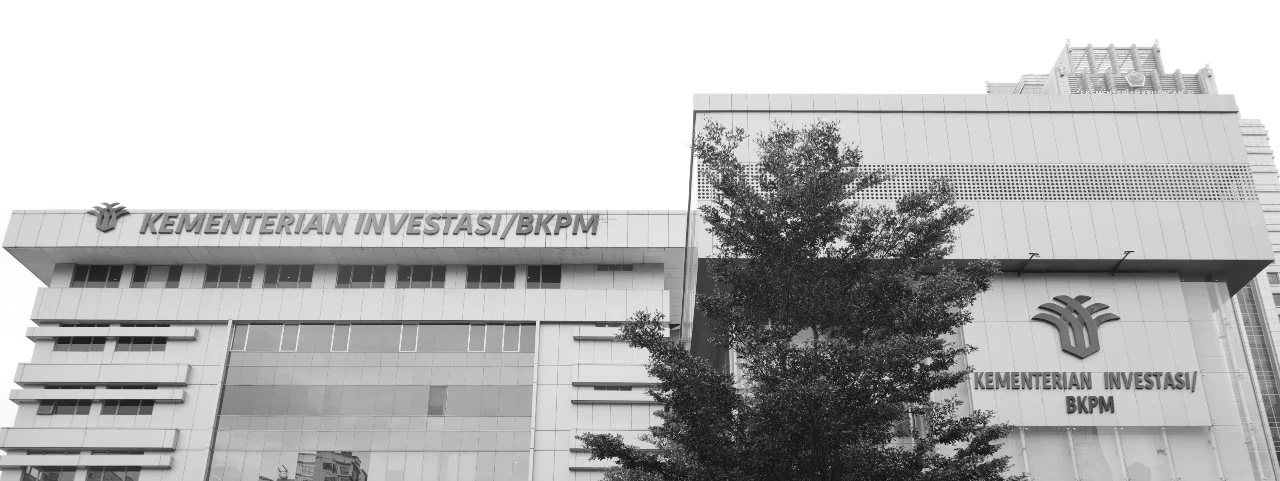
The Ministry of Investment and Downstreaming/Investment Coordinating Board (BKPM) projects investment realisation in the first quarter of 2026 to reach Rp 497 trillion, an increase of around 6.9% compared to the same period the previous year.
Investment Minister Rosan Roeslani described this achievement as a positive signal amid ongoing global volatility.
“We are still waiting until the 15th for the exact calculation. But with this development, the target for the first three months of Rp 497 trillion can, God willing, be achieved,” he stated during a working meeting with Commission XII of the House of Representatives (DPR RI).
According to him, this growth equates to an annual increase of around 7%. In addition to recording an increase in investment value, the first-quarter 2026 realisation also impacts employment absorption.
Rosan revealed that the investment is estimated to create around 627,000 new jobs, an increase from 594,000 workers in the same period last year.
“Employment absorption is projected to reach 627,000 people, or an annual increase of around 5.5%,” he said.
He added that the government’s ongoing downstreaming programme is one of the main factors driving the investment increase. According to Rosan, the downstreaming sector contributes around 30% of the total investment entering Indonesia.
On the sectoral side, the basic metals industry is the largest contributor with an investment value of Rp 67 trillion from January to March 2026.
This is followed by the transportation, warehousing, and logistics sector at Rp 54 trillion, mining at Rp 51 trillion, other services including data centres at Rp 43 trillion, and housing and estates at Rp 36 trillion.
By region, Jakarta recorded the largest investment realisation at Rp 74 trillion, followed by West Java at Rp 72 trillion, East Java at Rp 38 trillion, Central Sulawesi at Rp 34 trillion, and Banten at Rp 33 trillion.
Meanwhile, foreign investment sources are still dominated by major partner countries such as Singapore, China, Japan, South Korea, and the United States.
“These countries remain the largest contributors of foreign direct investment to Indonesia,” Rosan said.
Rosan also assessed that Indonesia is becoming increasingly attractive to global investors, especially amid rising geopolitical tensions. According to him, political stability and security are among Indonesia’s main advantages compared to other countries.
“They see Indonesia as more attractive because we are able to maintain stability, both politically and in terms of security, as well as a conducive investment climate,” he said.
He added that the growing investor interest is also inseparable from the role of economic diplomacy carried out by President Prabowo Subianto.
During various overseas visits, Rosan noted that Prabowo actively meets with business actors and provides direct explanations about Indonesia’s economic conditions.
“This gives investors confidence that the President understands the geopolitical and economic situation, as well as the steps taken by the government,” he concluded.