
BKPM Opens Foreign Investment Opportunities to Expand EV Charging Stations
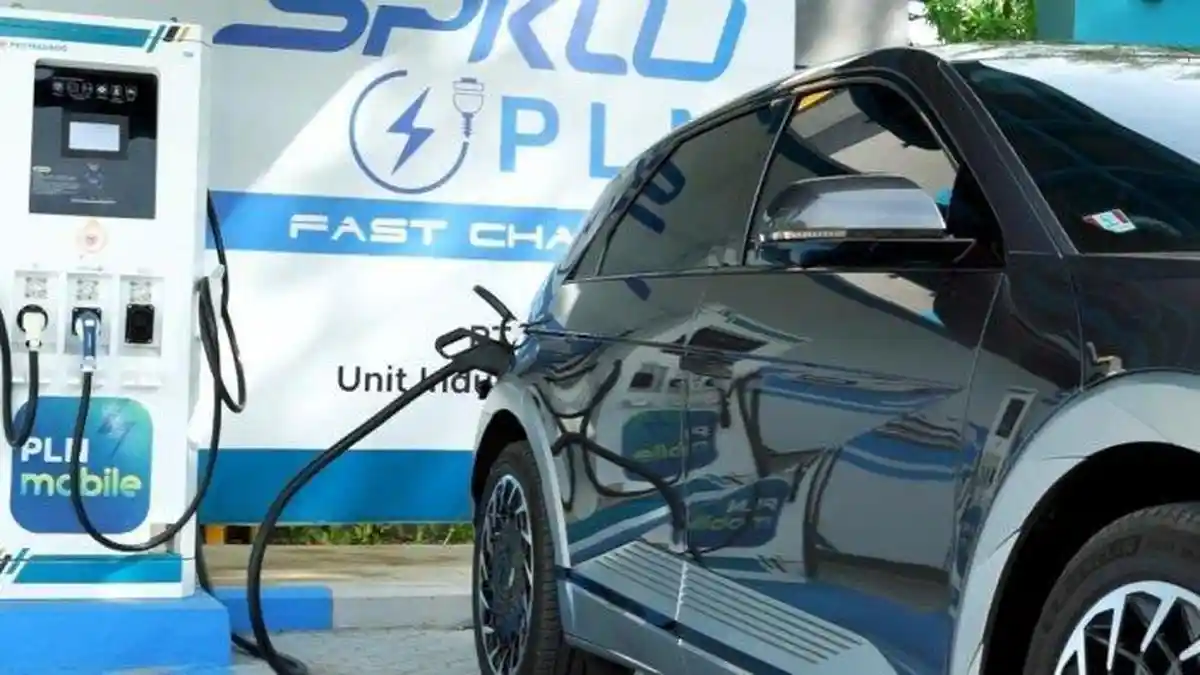
Indonesia possesses immense potential for New and Renewable Energy (EBT) investment and is currently accelerating green investment as part of its transformation towards a low-carbon economy. One of the primary challenges currently faced is the development of a supporting ecosystem, including increasing the number of Public Electric Vehicle Charging Stations (SPKLU) alongside the rising use of electric vehicles.
he Ministry of Investment and Downstreaming/BKPM is opening wider opportunities for investors, including Foreign Direct Investment (PMA), to enter the SPKLU business. "The ratio of SPKLU usage is currently irrational, at 1 to 47 in queues. This means the quantity is still insufficient. Our policy already encourages the direction that if anyone wishes to enter the SPKLU business, even Foreign Direct Investment is permitted," stated Dendy during the BIG Strategic Forum 202le Accelerating Growth Through Clean Energy & Industrial Transformation in Gambir, Central Jakarta, on Tuesday (8/9/2026).As of April 2026, the population of electric vehicles—including two-wheelers, three-wheelers, four-wheelers, and commercial vehicles—in Indonesia has reached approximately 486,000 units. The government is providing flexibility for foreign investors wishing to build SPKLU. Previously, there was a minimum investment requirement of IDR 10 billion for a single project site; however, investments can now be made across multiple sites within a single province under more flexible terms.
“Foreign investors are no longer required to meet the IDR 10 billion investment capital threshold (excluding land and buildings) per single project site, as was previously regulated,” he added. This policy is expected to attract larger-scale investment while expanding the distribution of SPKLU to various regions. Accelerating the development of the SPKLU network is a vital part of the government’s strategy to ensure that the growth of the electric vehicle industry is not concentrated solely in major cities but can develop more evenly across Indonesia. “If we do not build the ecosystem, including the SPKLU distribution, the imbalance will become a problem—a ticking time bomb if it remains concentrated only in large cities,” Dendy concluded.