
BKPM Makes Labour Absorption the Primary Requirement for Fiscal Incentives
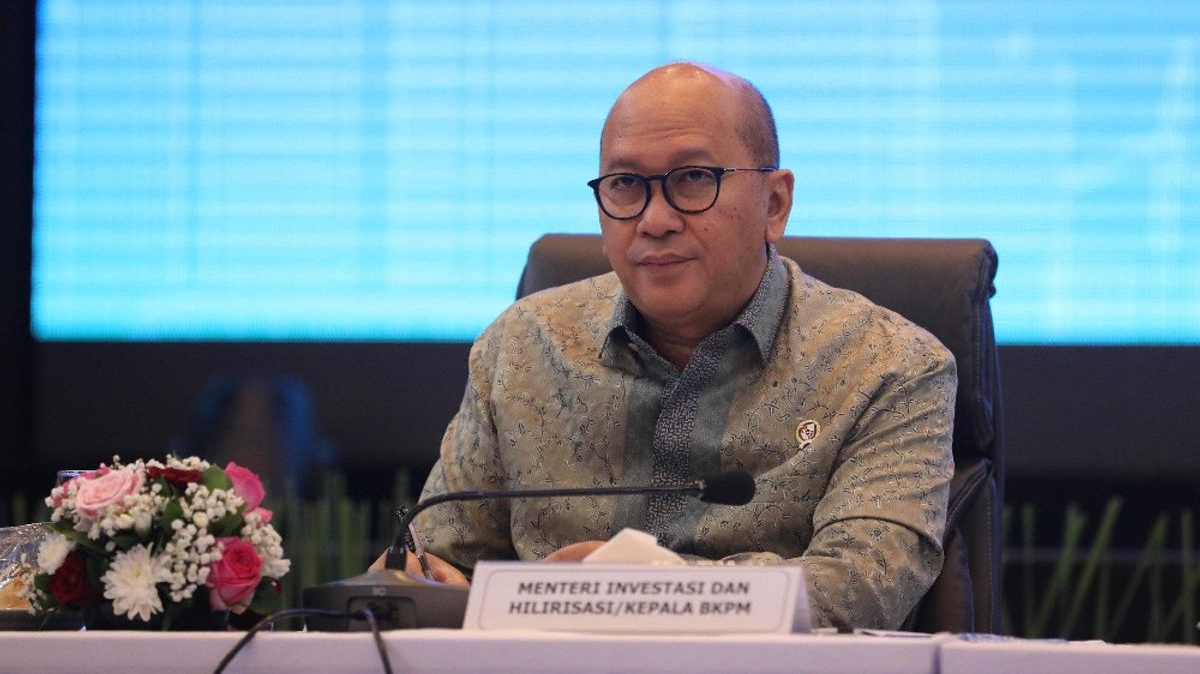
The Ministry of Investment and Downstreaming/Investment Coordinating Board (BKPM) has officially established the level of labour absorption as the primary indicator for granting fiscal incentives to investors on Thursday (23/4/2026). This policy shifts the focus of state facilities, which were previously dominated by the sheer size of capital value.
Minister of Investment and Downstreaming/Head of BKPM Rosan Roeslani stated in Jakarta that going forward, the government will give high priority to labour-intensive sectors. Sectors capable of creating jobs on a massive scale will gain easier access to fiscal incentives.
“Our parameter is not solely giving incentives because of large investments, but we also look at the aspect of labour absorption,” said Rosan Roeslani, Minister of Investment and Downstreaming/Head of BKPM, as quoted from Ekonomi.
Rosan cited the example of a coconut processing project in Morowali worth US$100 million, which is nearly complete. Although its investment value is smaller compared to the mineral sector, this plantation project has a significant job creation ratio for the local community.
Based on BKPM data, investment realisation in the first quarter of 2026 has reached Rp498.8 trillion. This figure already accounts for 24.4 percent of the annual target set at Rp2,041.3 trillion.
Labour absorption from this investment realisation is recorded at 706,569 people up to March 2026. This number shows growth of 18.9 percent compared to the same period in 2025, which only absorbed 594,104 people.
The government hopes this new policy can suppress the national unemployment rate while improving the investment climate in Indonesia. Incentives are now widely opened for medium-scale projects that provide tangible socio-economic impacts, even if the investment amount is not very large.