
BKPM Accelerates Development of Integrated Biofuel Plant in Lampung
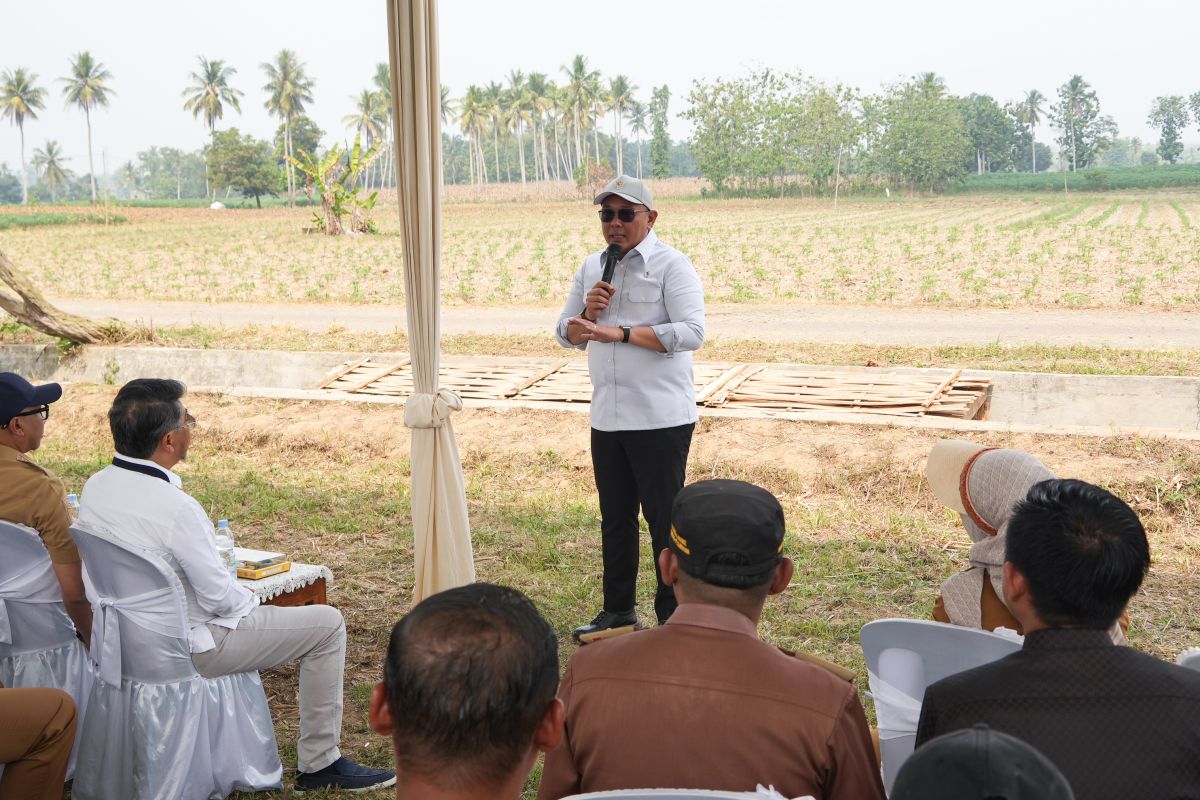
Jakarta (ANTARA) - The Ministry of Investment and Downstreaming/Investment Coordinating Board (BKPM) is accelerating the development of an integrated biofuel plant in Lampung Province as part of efforts to spur downstreaming in the plantation sector whilst reinforcing national energy security. In an official statement in Jakarta on Wednesday, Deputy Minister for Investment and Downstreaming/Deputy Head of BKPM Todotua Pasaribu said the project, which carries an integrated bioethanol concept, is expected to become a model for developing agriculture-based and domestic resource-driven renewable energy. This commitment was underscored during a coordination meeting and field visit for integrated bioethanol development in Lampung province with the Lampung Provincial Government, PT Pertamina New and Renewable Energy (PNRE), PT Toyota Motor Manufacturing Indonesia (TMMIN), and relevant stakeholders on Tuesday (9/6). On that occasion, a Joint Declaration entitled Collaboration in Establishing Bioethanol Ecosystem Development was signed by the Lampung Provincial Government, PNRE, TMMIN, and PT Toyota Tsusho Indonesia (TTI). The declaration serves as a foundation for collaboration on raw material supply chain development, construction of bioethanol production facilities, strengthening partnerships with the agricultural sector, technology development, and accelerating investment realisation to support national energy security. According to Todotua, Lampung was selected as the initial development location because of its advantages in terms of raw material availability and infrastructure support. “Lampung has the most capable feedstock for national bioethanol development. Moreover, its position is highly strategic as it can supply the needs of Sumatra and parts of Java, which are Indonesia’s largest energy consumption centres. Therefore, we have designated Lampung as the initial development location for the national bioethanol ecosystem,” Todotua stressed. During a field visit to Tegineneng District, Pesawaran Regency, and Rejosari Village, South Lampung Regency, the group inspected the readiness of locations projected to become integrated bioethanol development areas. The inspection results showed that Lampung possesses strong raw material potential, from sugarcane molasses and sorghum, to biomass waste, which can be utilised for the development of both first-generation and second-generation bioethanol. Besides being supported by a strategic geographical position and adequate logistical infrastructure, the project also opens up partnership opportunities between industry and local farmers through the development of sorghum cultivation as an additional raw material source. He stated that the local government has expressed full support to accelerate investment realisation. Furthermore, the planned bioethanol project will utilise a multi-feedstock concept by harnessing various raw materials such as molasses, sorghum, and biomass waste. In the initial phase, the pilot project will encompass planting 10 hectares of the Enryu sorghum variety and constructing a bioethanol facility with a capacity of 60 kilolitres per year. Meanwhile, in the commercial phase, there will be a planting of the Enryu sorghum variety on 6,000 hectares in Lampung, along with the construction of a bioethanol plant with a capacity of 60,000 kilolitres per year. The project is targeted to commence construction in the third quarter of 2027 and become operational in the fourth quarter of 2028. As a follow-up to the joint declaration and field visit, the parties will accelerate the implementation of a joint feasibility study, project planning preparation, development of a pilot sorghum cultivation scheme, and finalisation of financing schemes and strategic partnerships to ensure comprehensive project implementation readiness. “What we want to build is not just a factory, but an economic ecosystem. Feedstock is here, logistics are here, the agricultural community is also here. We just need to maximise it. Therefore, let us just begin. What is important is that this project proceeds and provides benefits to the community, farmers, supporting industries, and strengthens national energy security,” concluded Todotua.