
BKKBN strengthens community-based 'care economy' for the elderly
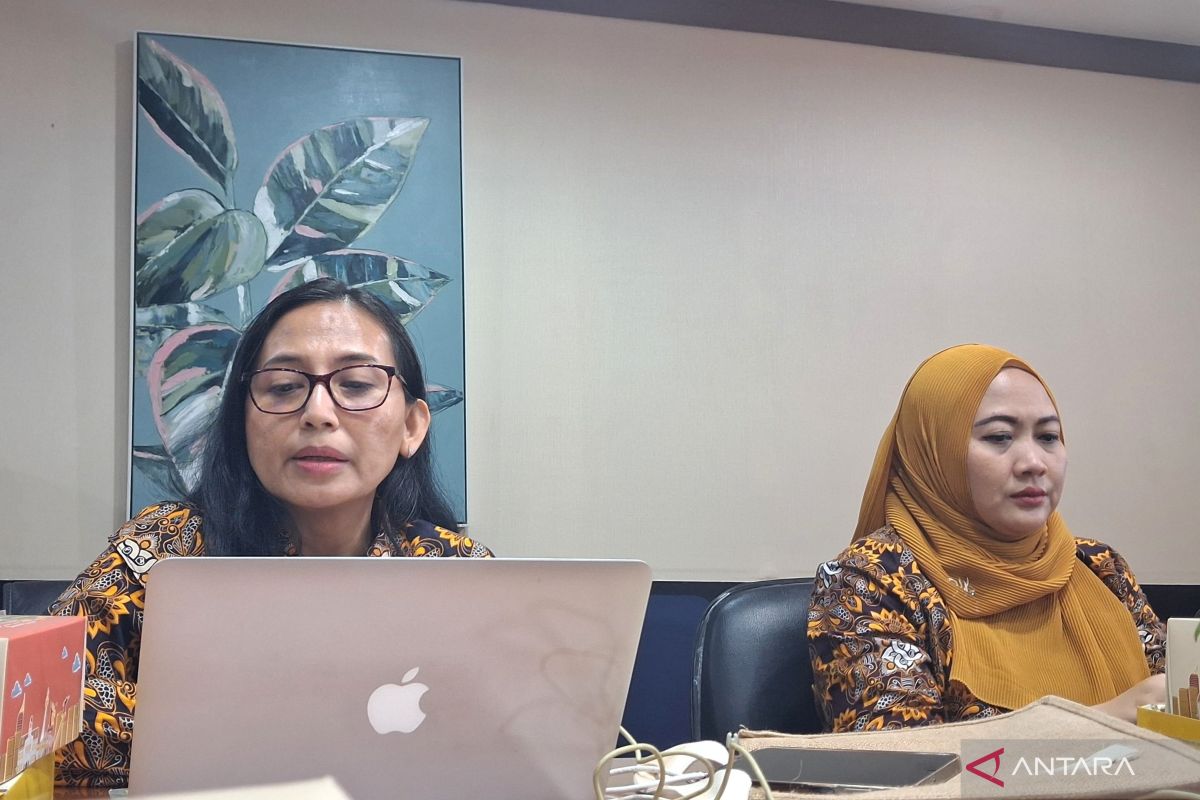
Jakarta (ANTARA) - BKKBN is strengthening the care economy concept or family and community-based care system to address the rising number of elderly living alone in Indonesia.
‘The approach does not focus on nursing homes but strengthens the role of families, community volunteers, and communities in supporting the elderly. Care is primarily provided for those with limited daily activities or bedridden (spending most time in bed),’ said Acting Director of Family Resilience and Vulnerable Elderly Directorate at BKKBN, Elsa Pongtuluran, in Jakarta on Tuesday.
According to the 2025 Inter-Census Population Survey (SUPAS) by Statistics Indonesia (BPS), 11.97% of Indonesia’s population are elderly. Twenty-three provinces have entered the ageing population phase with over 10% elderly residents, and 49.66% of the elderly live alone.
‘The long-term care program also trains families and caregivers in elderly care techniques, from bed bathing to safely moving them into wheelchairs to prevent injuries to caregivers,’ Elsa said.
BKKBN also emphasises addressing loneliness among the elderly, as it can impact mental health and increase depression risk. Therefore, Elderly Schools are encouraged as social interaction spaces to help them stay active, healthy, and productive.
There are currently 3,051 Elderly Schools across Indonesia, serving as a government instrument to build a care economy ecosystem in response to an ageing population and the second demographic bonus.
‘These Elderly Schools also have teachers largely selected by the elderly communities themselves, adapting to their needs—for example, someone skilled in weaving can become a teacher if the school requires it. This helps prevent depression,’ Elsa added.