
Bitcoin Depot Files for Bankruptcy, Shuts Down Thousands of ATMs Amid Fraud Lawsuits
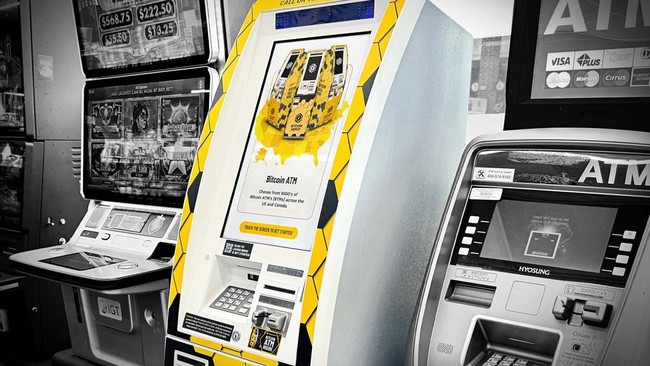
Jakarta, CNBC Indonesia — Bitcoin ATM operator Bitcoin Depot has officially filed for bankruptcy protection and permanently shut down its services. The Nasdaq-listed company filed a voluntary Chapter 11 petition in the U.S. Bankruptcy Court for the Southern District of Texas on Monday, local time, following severe financial and regulatory pressures.
Chief Executive Officer Alex Holmes stated that evolving regulations made the company’s business model unsustainable. ‘States have imposed increasingly strict compliance obligations, including new transaction limits, and in some jurisdictions, direct restrictions or outright bans on BTM (Bitcoin Teller Machine) operations,’ Holmes said in a press release. ‘The latest regulatory developments have impacted Bitcoin Depot’s business and finances.’
The Atlanta-based firm has deactivated its entire network of kiosks, which as recently as last year numbered approximately 9,276 machines across the United States, Canada, and Australia, allowing users to exchange cash for Bitcoin. The company’s financial position deteriorated sharply, with first-quarter 2026 revenue plunging 49% year-on-year. It reported a net loss of US$9.5 million, compared to a US$12.2 million profit in the same period the previous year, while gross profit collapsed by 85% to US$45 million.
Simultaneously, Bitcoin Depot faced major lawsuits from the attorneys general of Massachusetts and Iowa, who accused the firm of facilitating fraud through its crypto ATMs. The legal actions came after losses from crypto ATM scams reached a record US$389 million last year, a 58% increase from 2024, prompting heightened scrutiny from regulators and law enforcement.
As part of the restructuring, Bitcoin Depot’s Canadian entity has also been included in the U.S. bankruptcy proceedings, while subsidiaries in other countries will be wound down in accordance with local laws. The company’s collapse highlights a growing divide in the crypto industry, where institutional adoption through products like exchange-traded funds is rising, but cash-based kiosk operators are being squeezed by tightening rules and fraud concerns.